
Blue Note Guide
For almost a century, Blue Note has been more than a record label. It became an institution — a sound of its own, a visual language, a push not only for jazz and what grew out of it, but for other styles as well. Today it still keeps and rediscovers the old work and writes the next chapter of jazz. One article cannot hold the whole history, so we will keep updating this guide: the classics and the records most listeners never got to.
Most Printed Albums
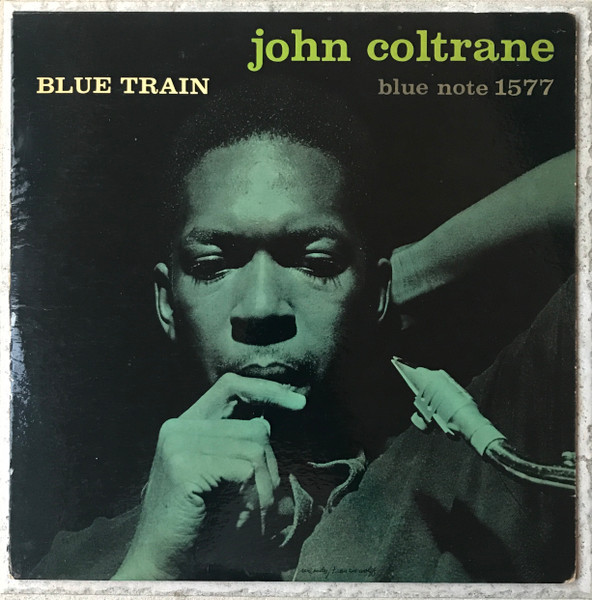
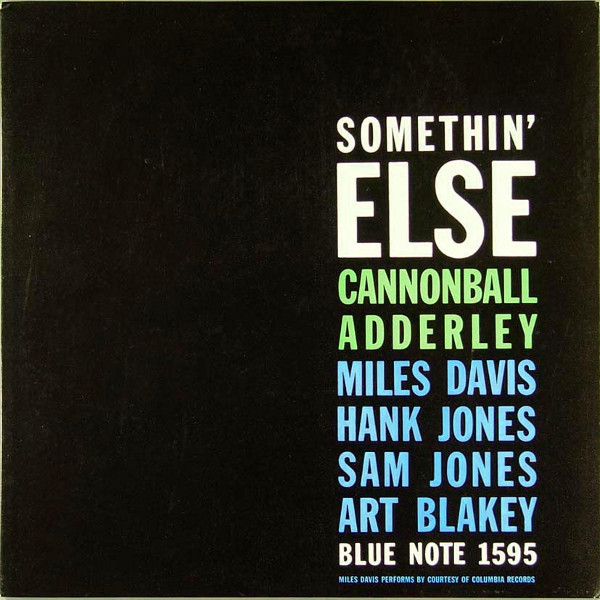
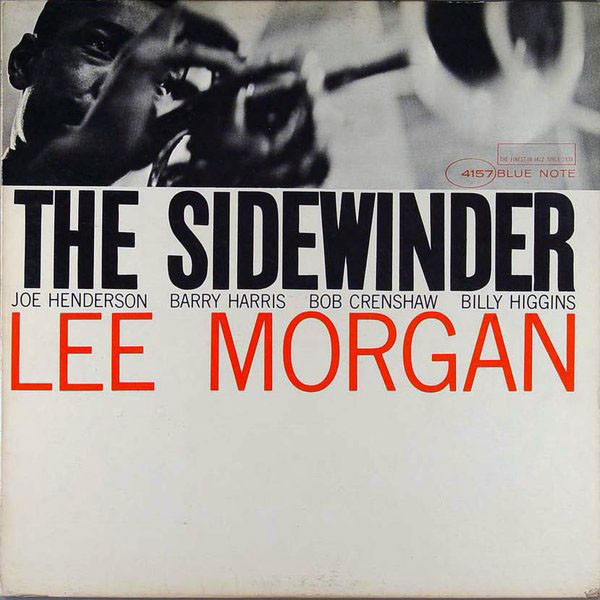
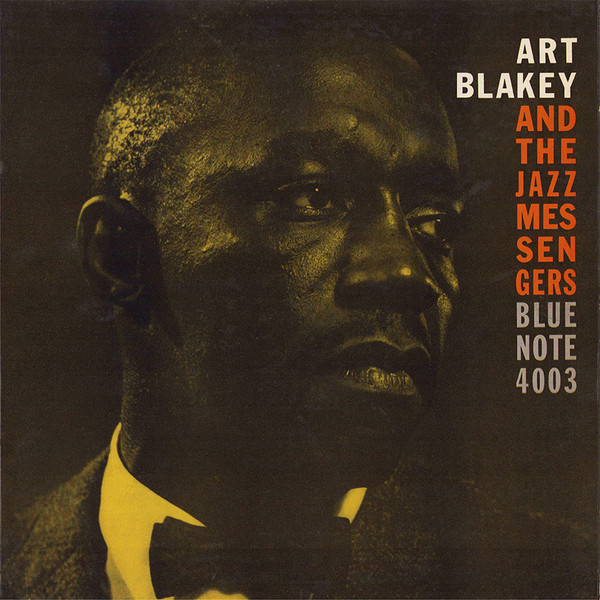
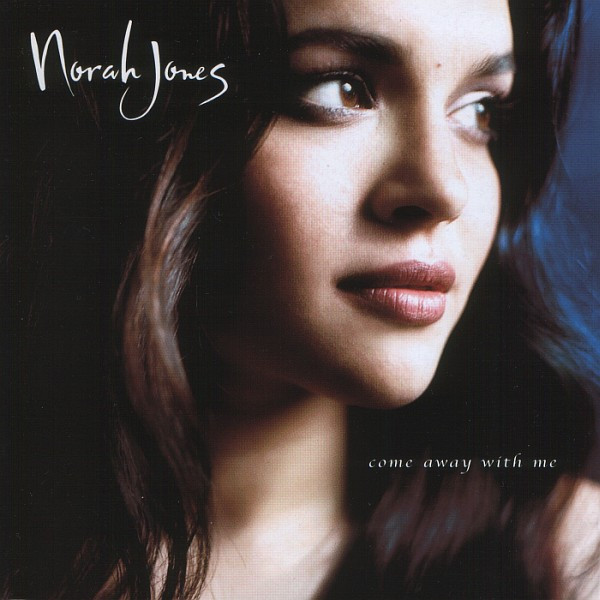
Two guests still sit at the top: Coltrane’s only Blue Note as leader, Cannonball’s only date, with Miles as sideman. Then the house: Hancock, Morgan, Blakey. Norah Jones, 2002, outprints Cool Struttin’.
The 5 most-recorded songs
The songs Blue Note recorded most are famous standards: cut in every era, and still played today.
No. 1 Summertime — George Gershwin, 1935
Prominent versions
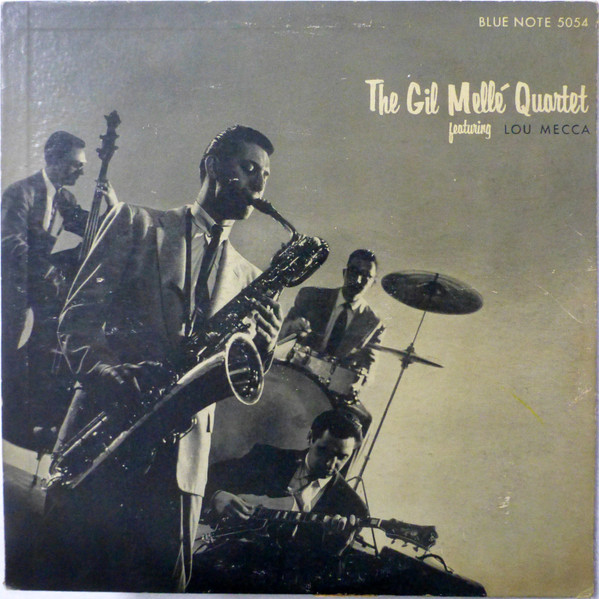
The Gil Mellé Quartet Volume 3
Gil Mellé

1954
No. 2 Body and Soul — Johnny Green, 1930
Prominent versions
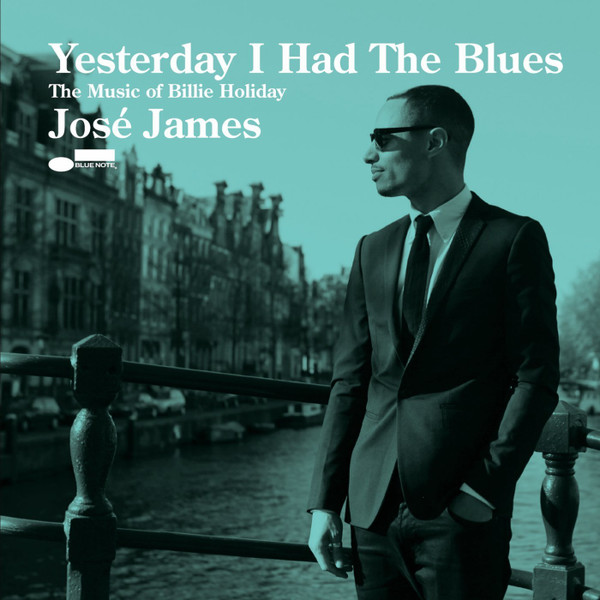
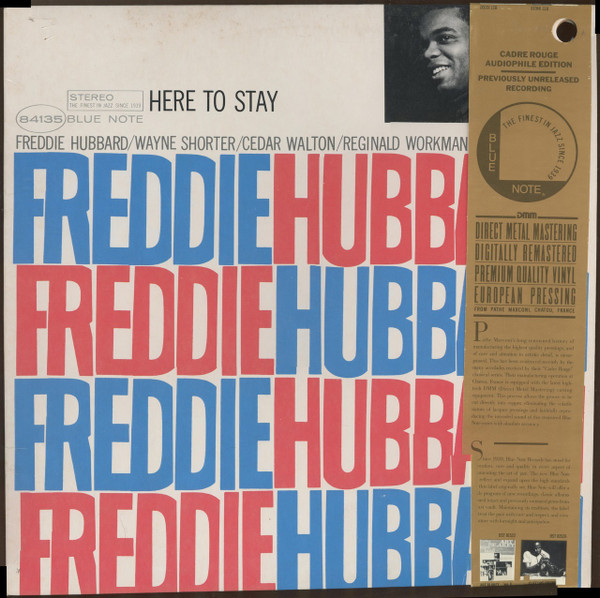
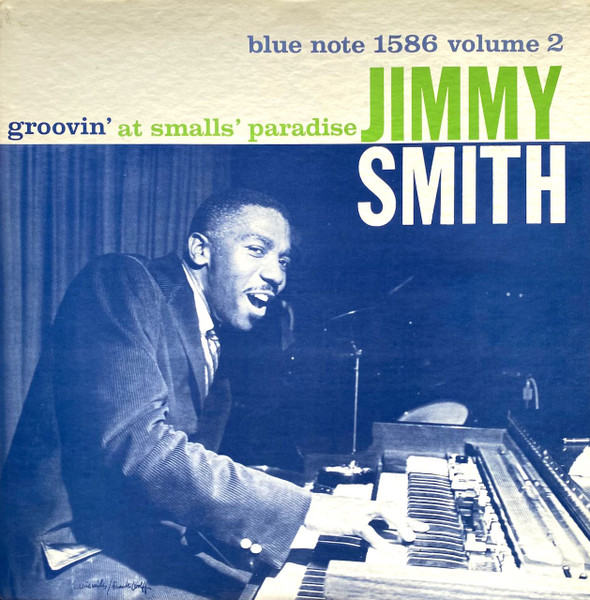
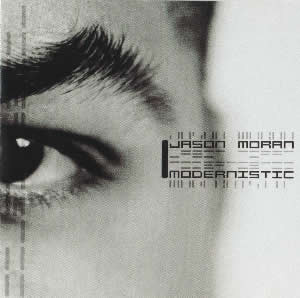
Modernistic
Jason Moran
2002
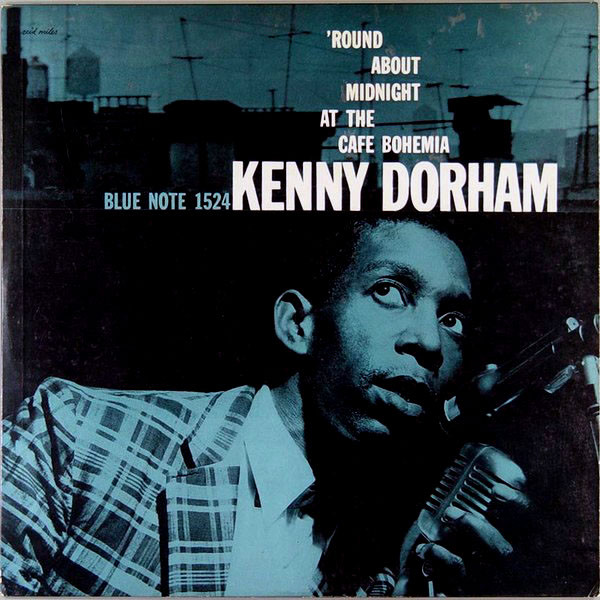
No. 3 'Round Midnight — Thelonious Monk, 1944
Prominent versions
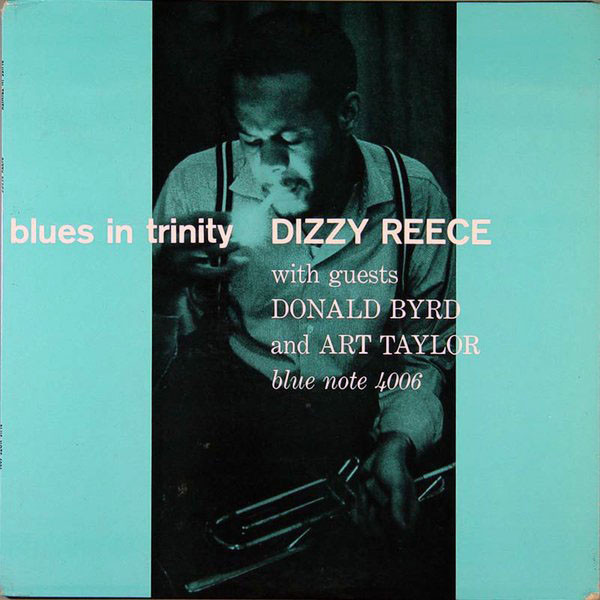
Blues In Trinity
Dizzy Reece
1958
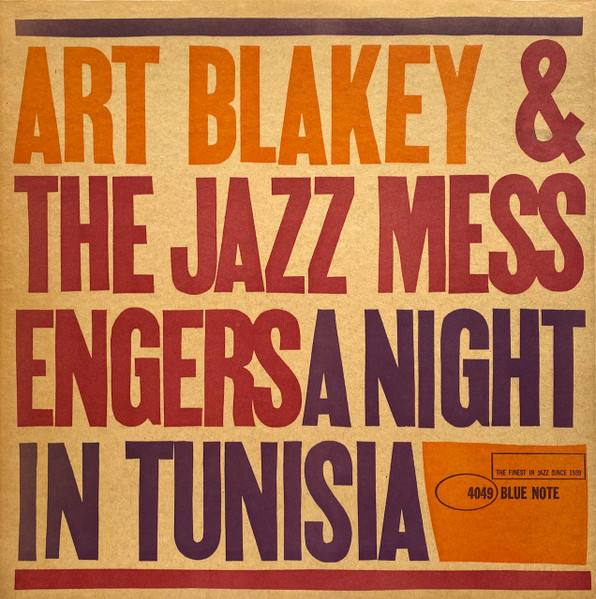
No. 4 Night in Tunisia — Dizzy Gillespie, 1942
Prominent versions
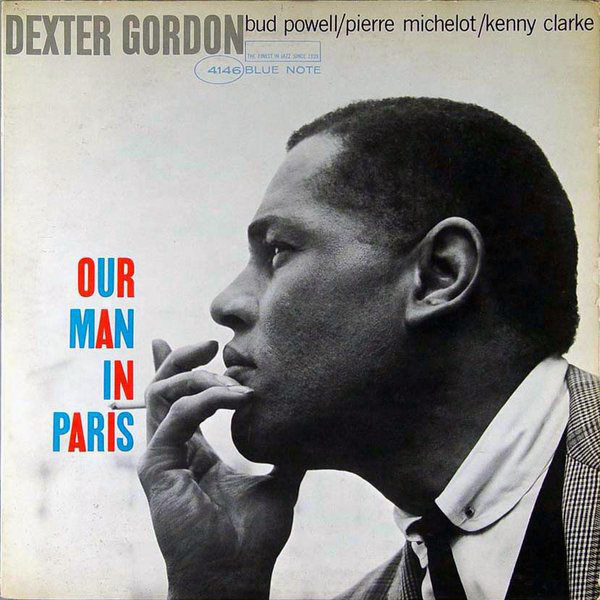
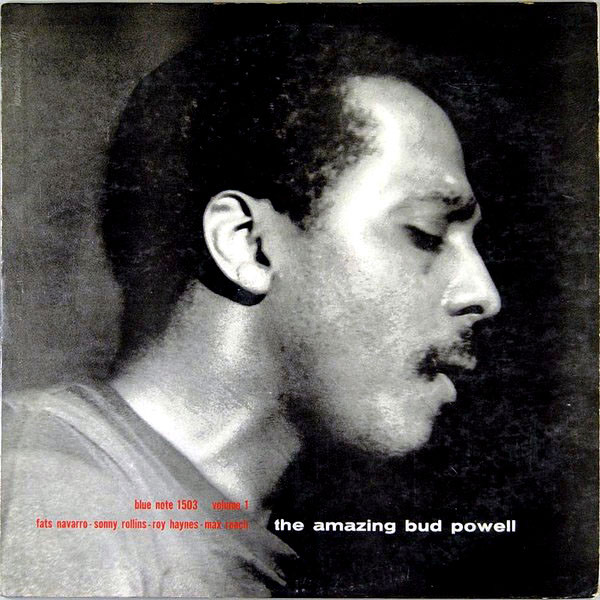
No. 5 Caravan — Juan Tizol / Duke Ellington, 1936
Prominent versions
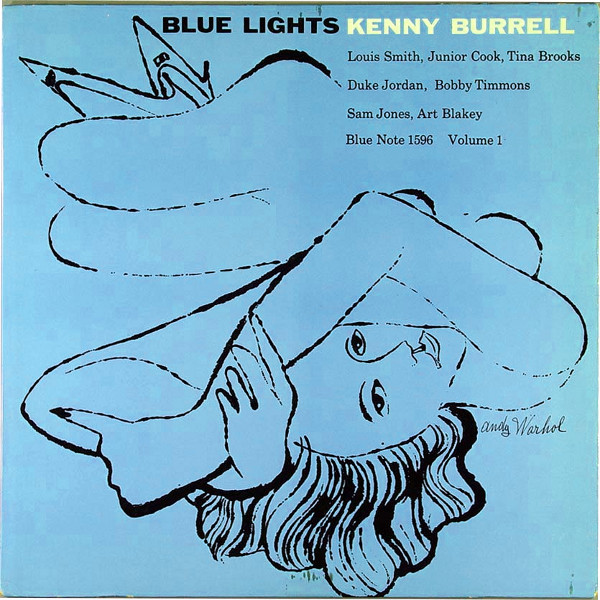
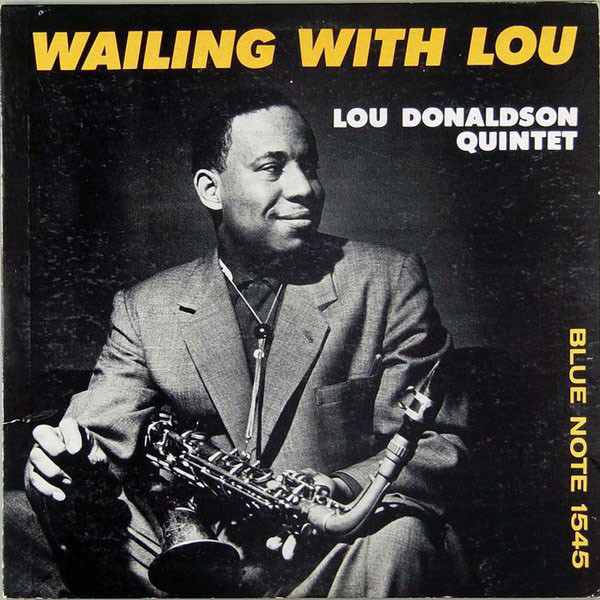
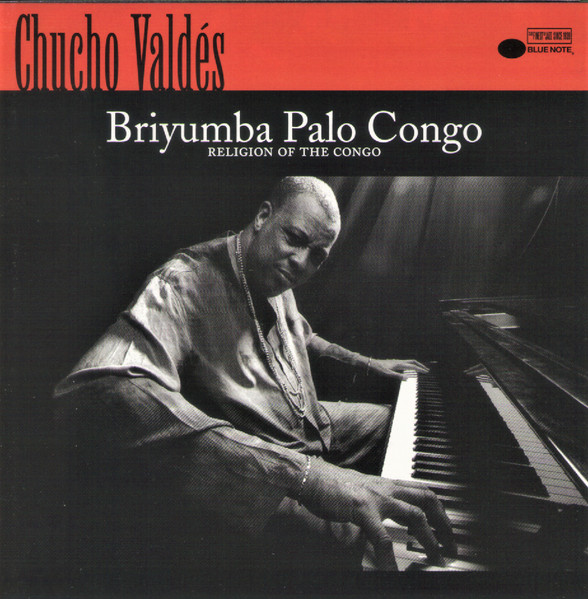
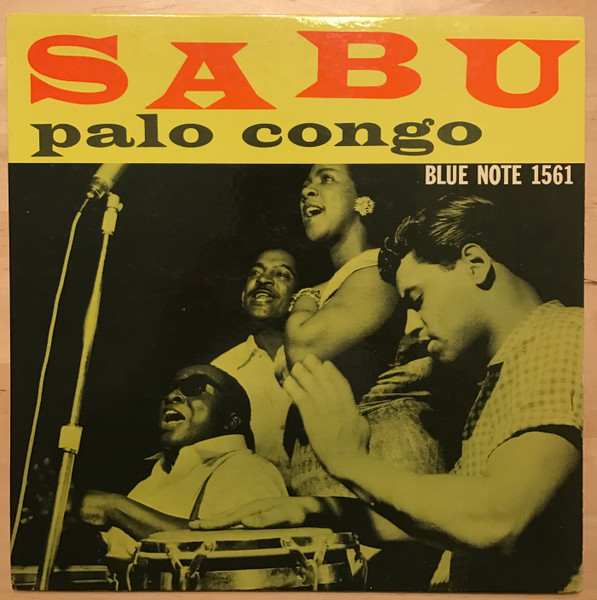
Briyumba Palo Congo
Chucho Valdés
1999
The 5 most-covered Blue Note originals
The label’s own tunes were barely covered. When they were, it was usually a tribute: later waves of jazz looking back at the classics.
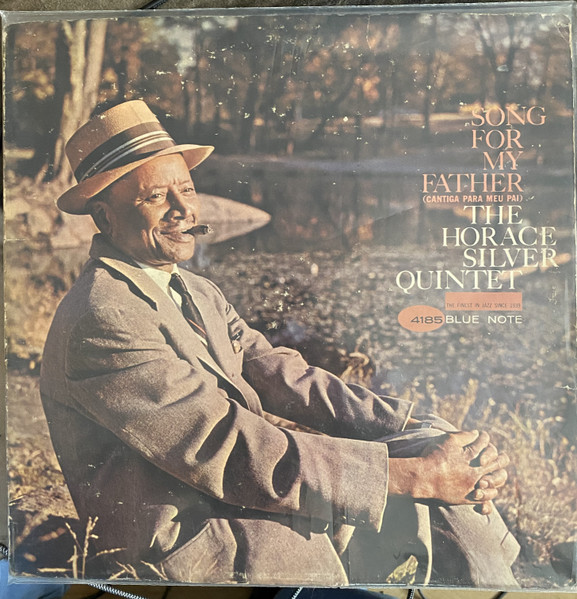
No. 1 Song For My Father — Horace Silver
Blue Note Voyage
Takuya Kuroda
2019
Blue Note Sessions
Nigel Kennedy
2006
No. 2 Footprints — Wayne Shorter
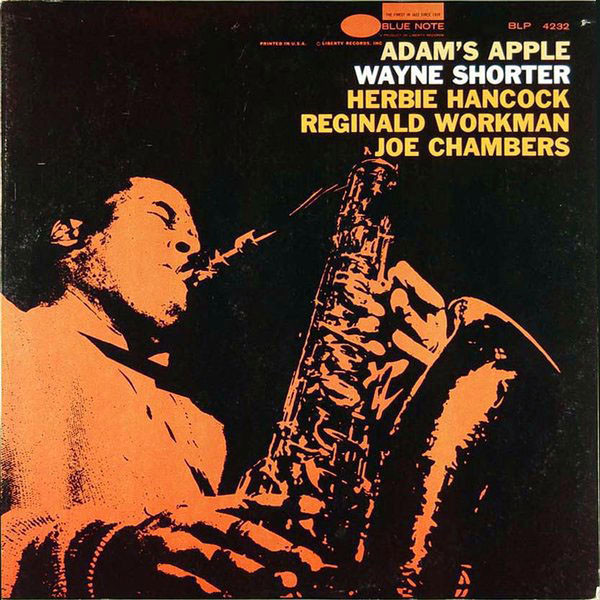
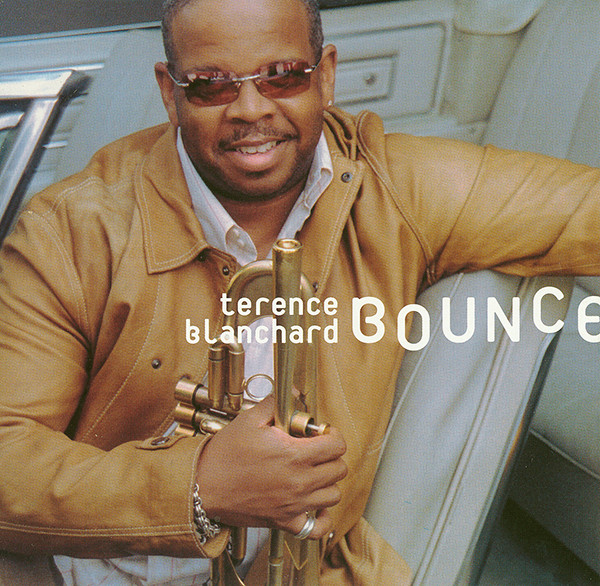
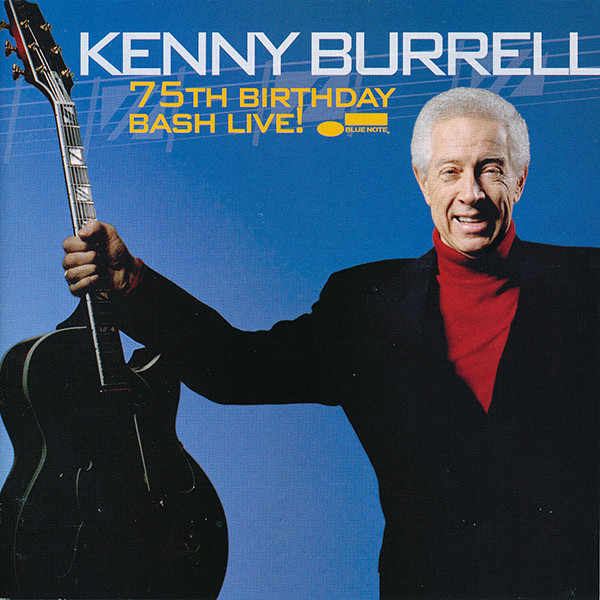

Dolce Vita
Chihiro Yamanaka
2023
No. 3 The Sidewinder — Lee Morgan
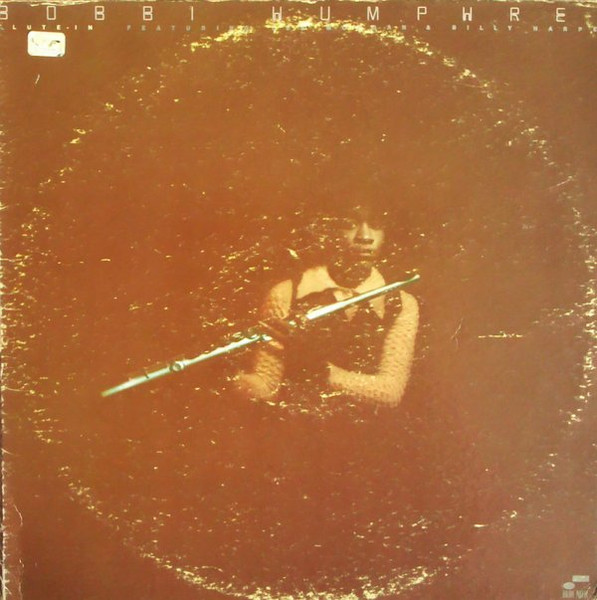

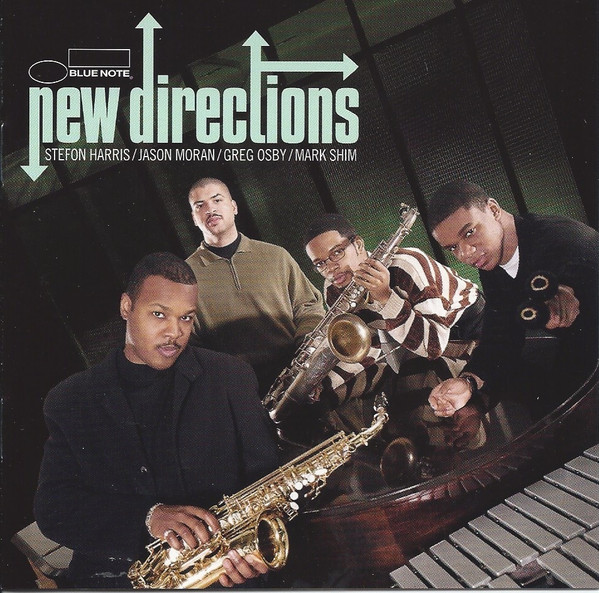
New Directions
Stefon Harris
2000
No. 4 Dat Dere — Bobby Timmons
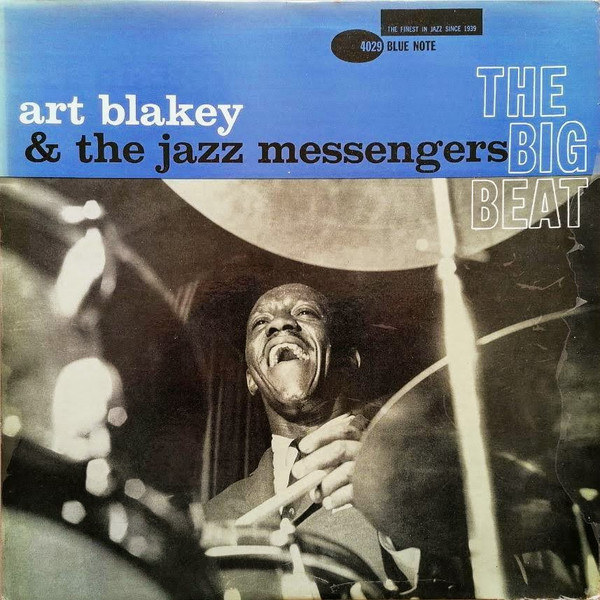
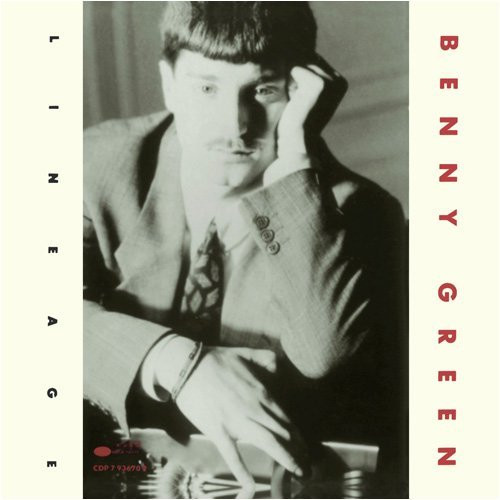
Lineage
Benny Green
1990
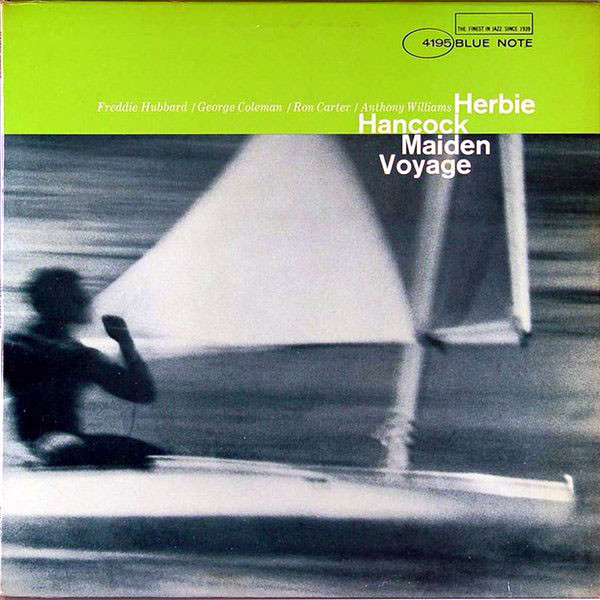
No. 5 Maiden Voyage — Herbie Hancock
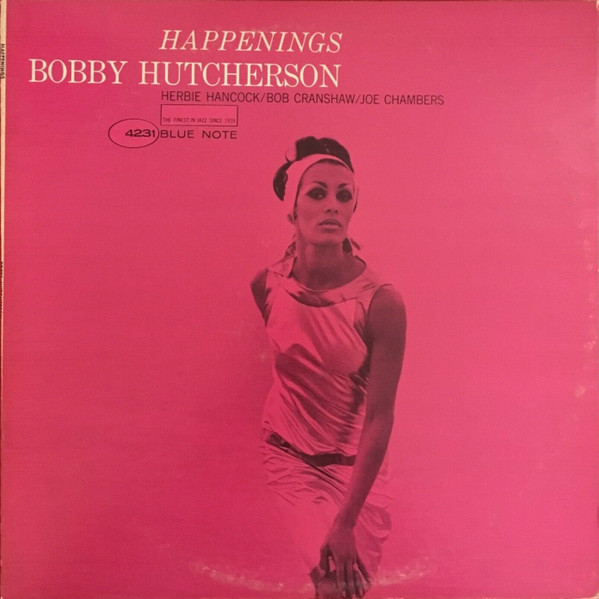
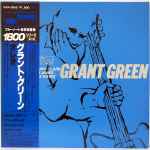
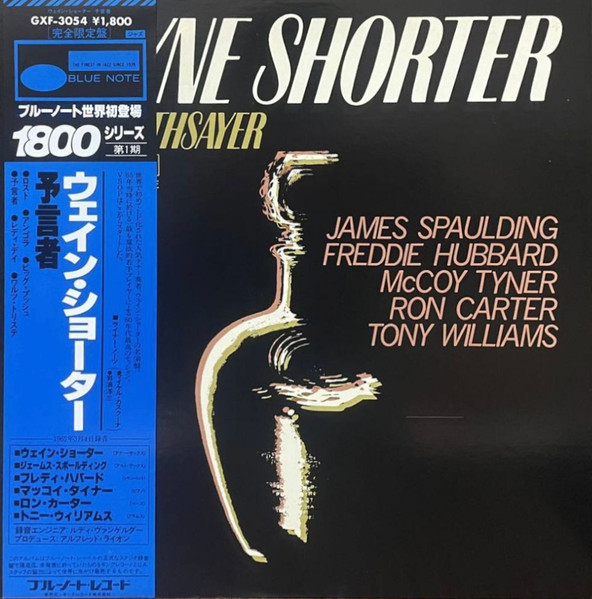
Albums first issued in Japan
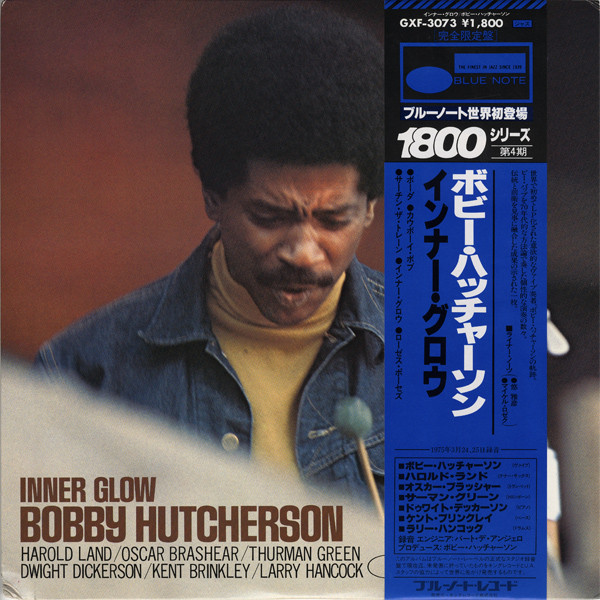
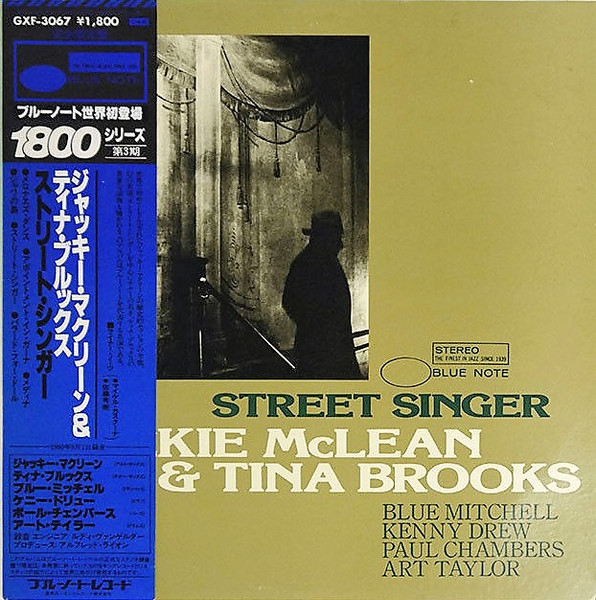
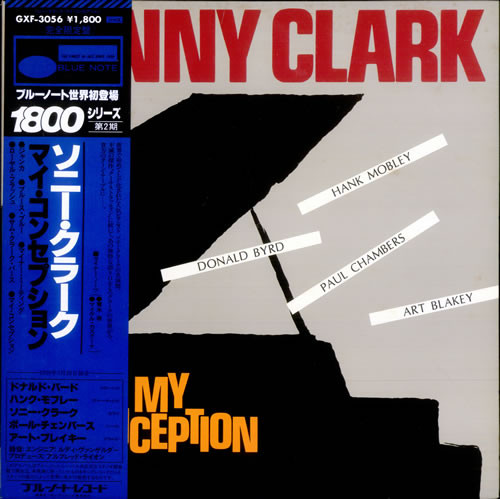
Late 1970s King and Toshiba LPs — vault sessions that came out in Japan before (or instead of) a US copy. Inner Glow still has no US CD.
Most-recorded player in each chair
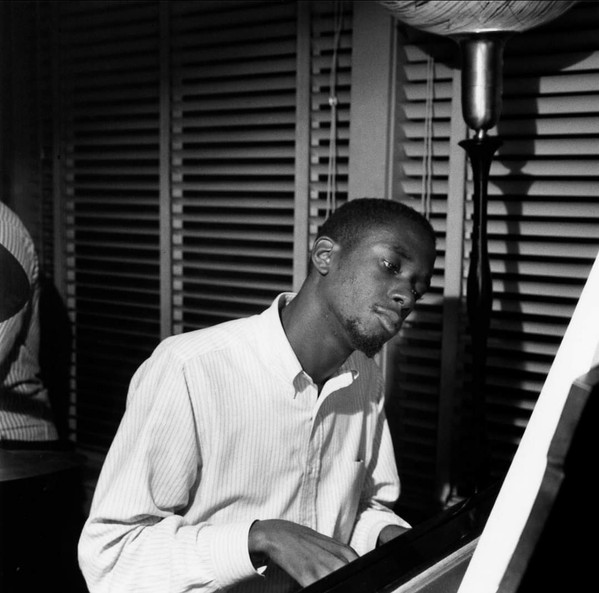
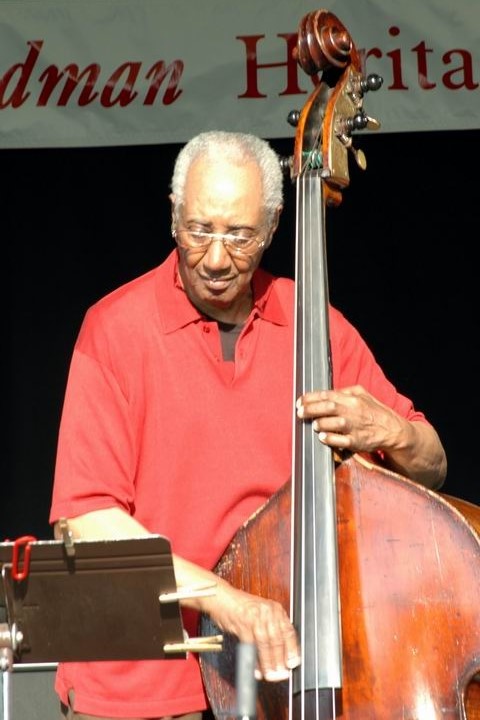
This could have been the quintet of Blue Note’s most-recorded musicians. It never sat. The catalog has no session in this lineup.
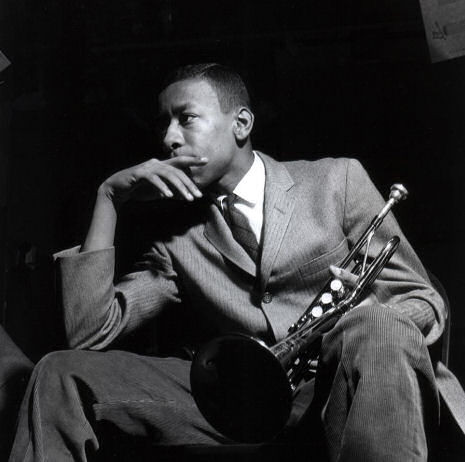
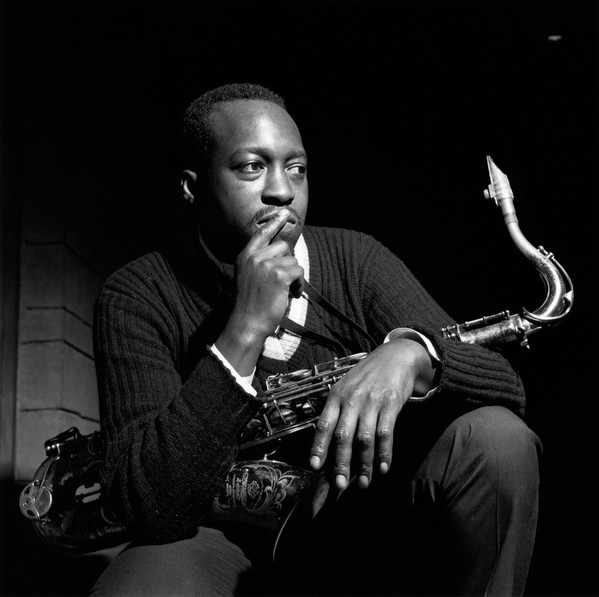
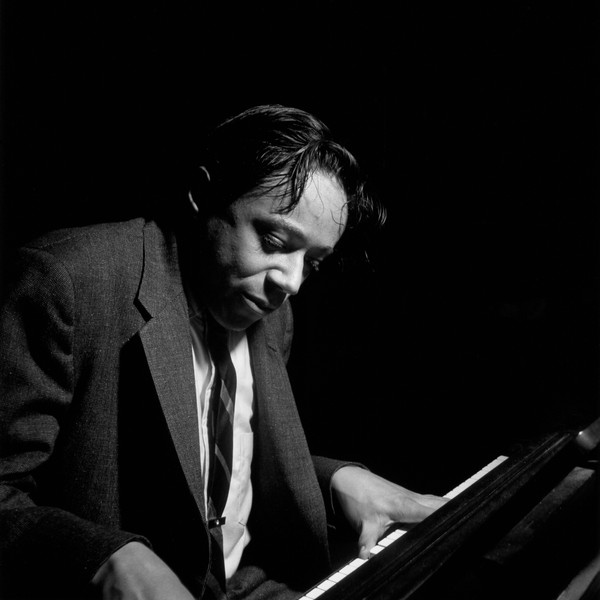
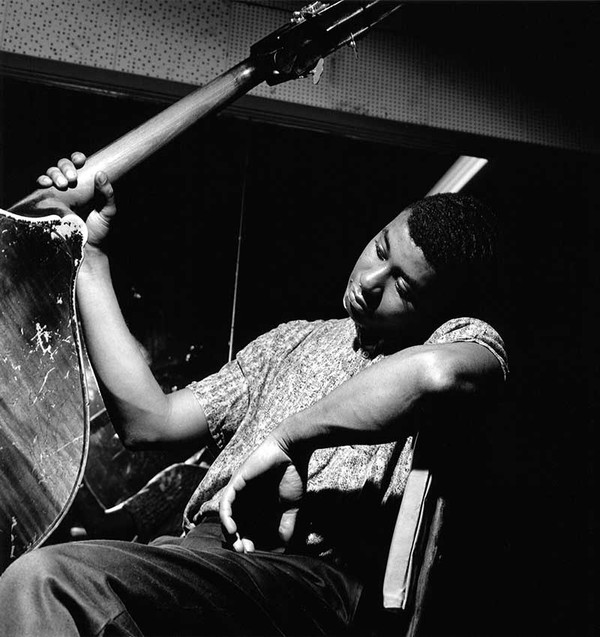
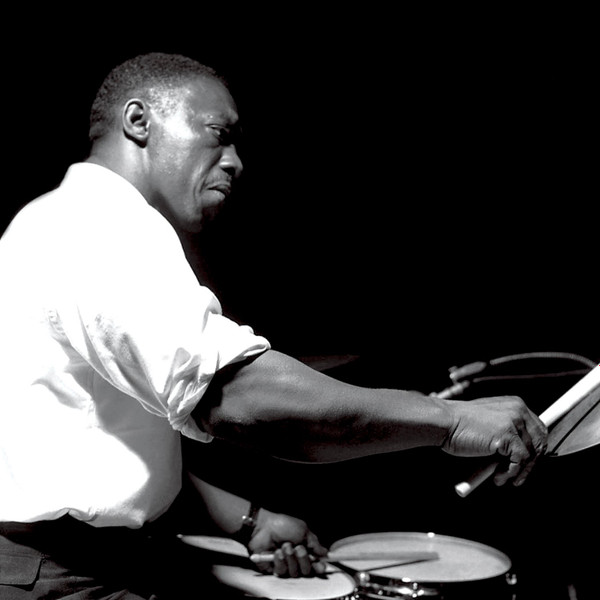
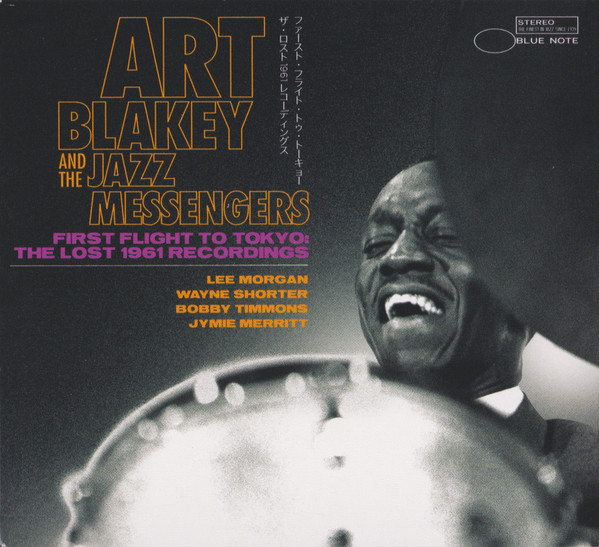
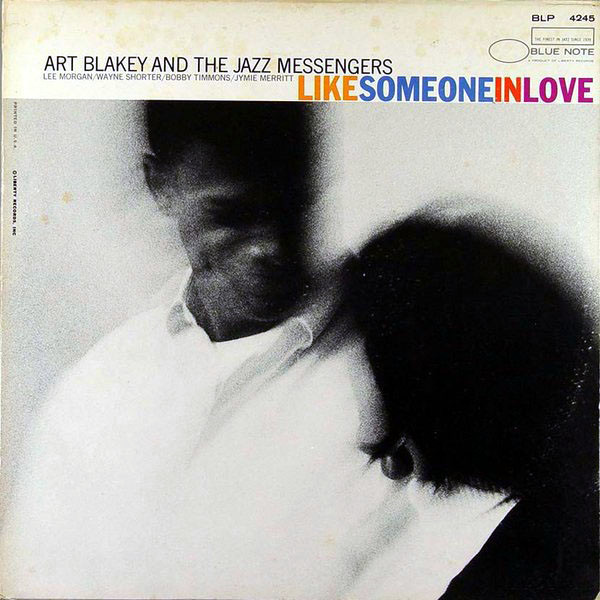
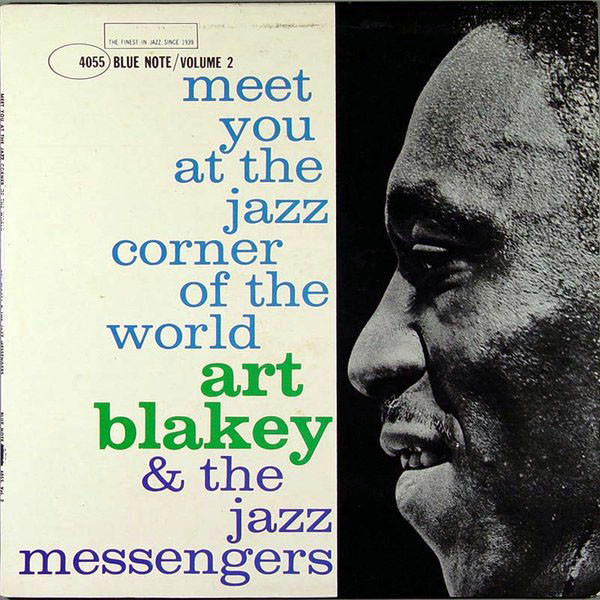
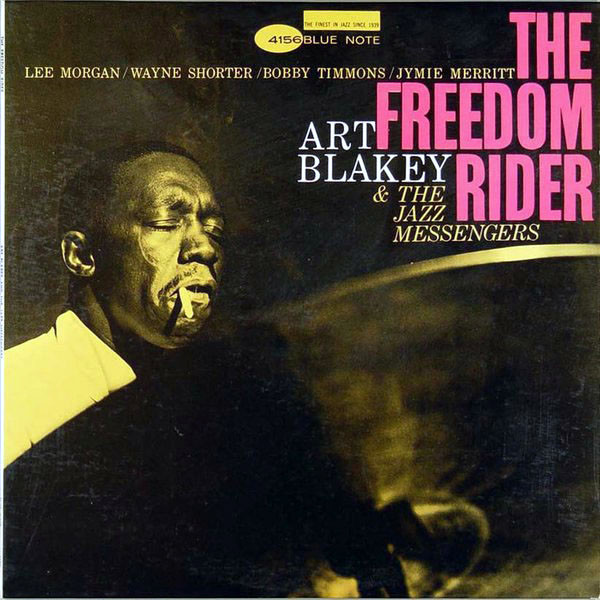
The most-recorded quintet in the catalog that actually sat. This Jazz Messengers lineup, 1960–61, cut eight albums. Nobody else cut more than three.
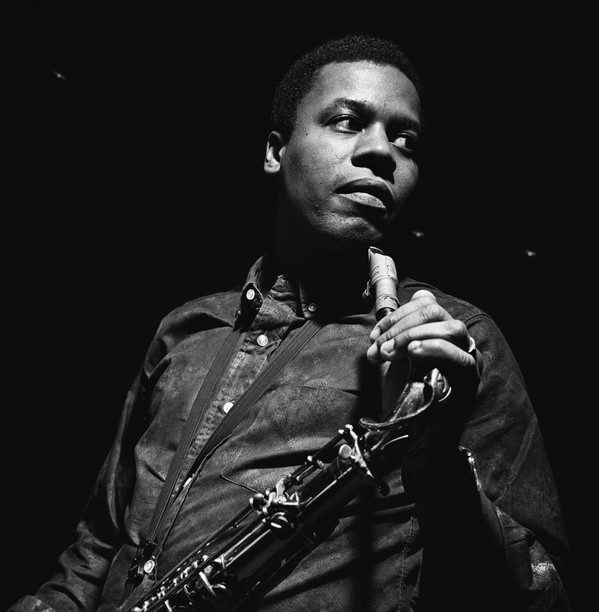
Eight albums
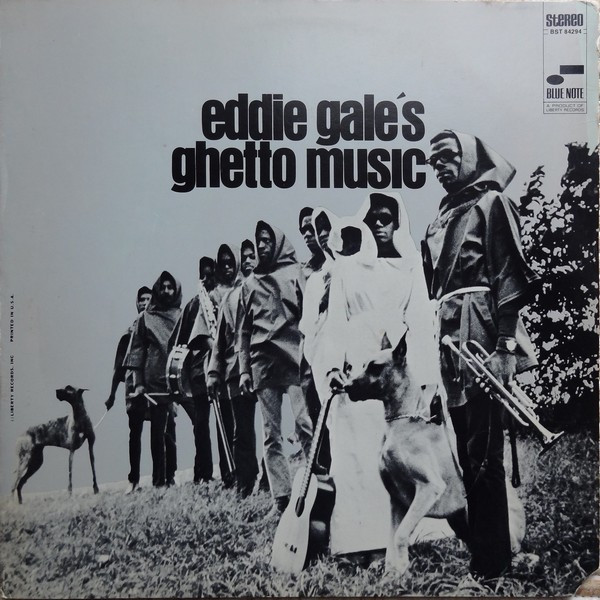
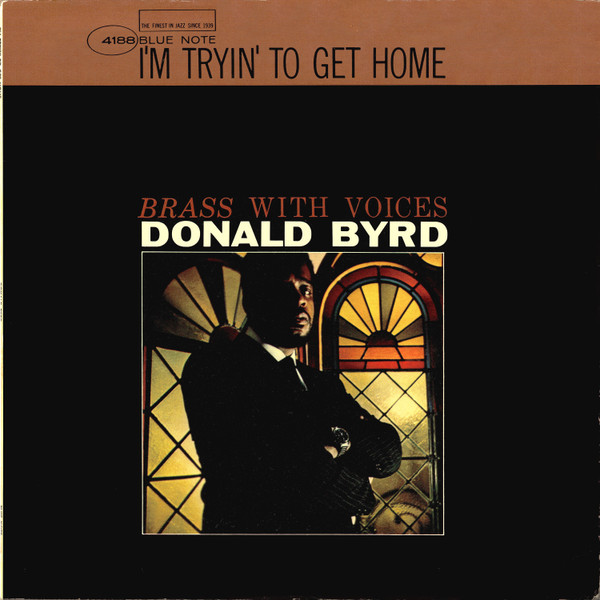
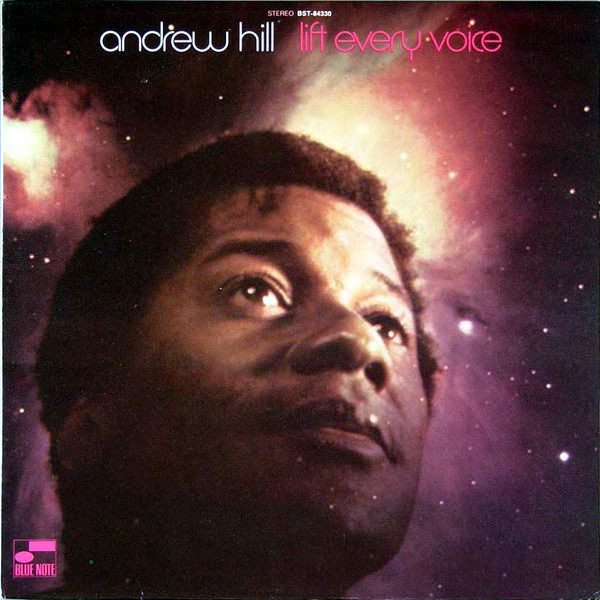
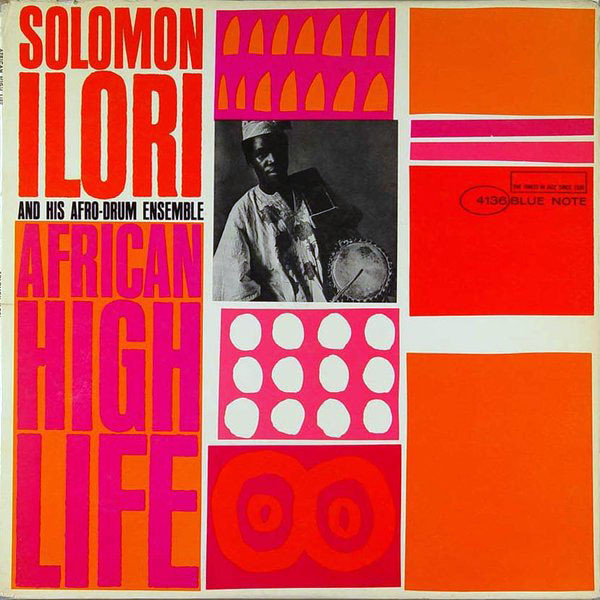
Choirs, gospel, highlife
Records outside the format. Same years as the hard-bop dates.