
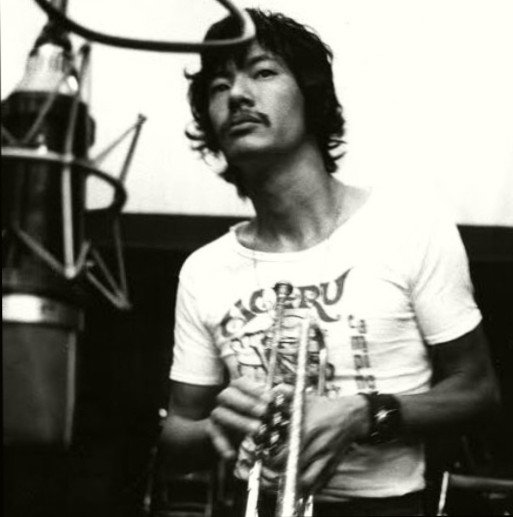
Terumasa Hino
- Born:
- , Tokyo, Japan
- Instrument:
- Trumpet
- Notable collaborations:
- Masabumi Kikuchi, Gil Evans, Sadao Watanabe, David Liebman, Elvin Jones
- Styles:
- Fusion, Contemporary Jazz, Post Bop, Modal, Avant-garde Jazz, Hard Bop, Jazz-Funk, Free Jazz, Big Band, Latin Jazz
Best Terumasa Hino Albums
Leader albums ranked by reissues and demand.
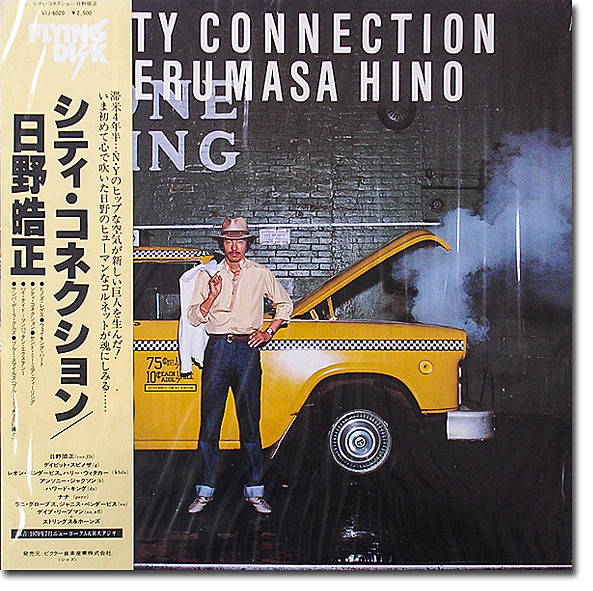
City Connection
Terumasa Hino
1979
Flying Disk
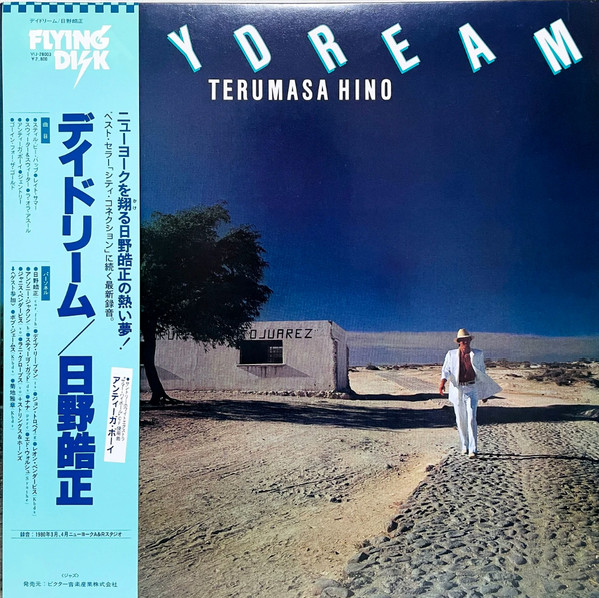
Daydream
Terumasa Hino
1980
Flying Disk
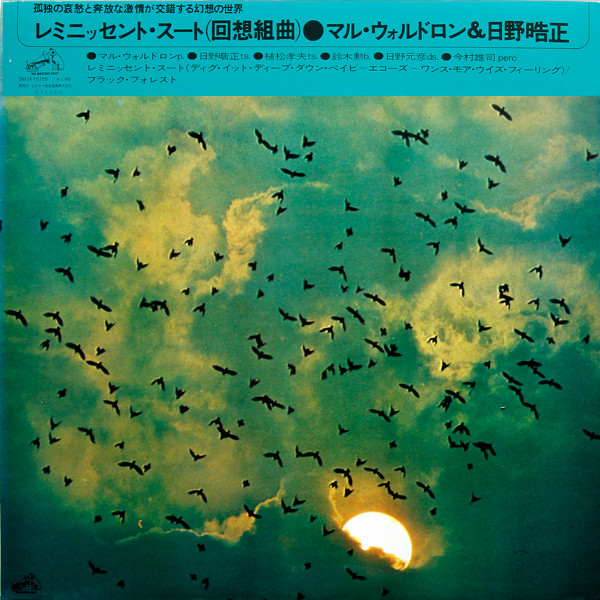
Reminicent Suite
Mal Waldron - Terumasa Hino
1973
Victor
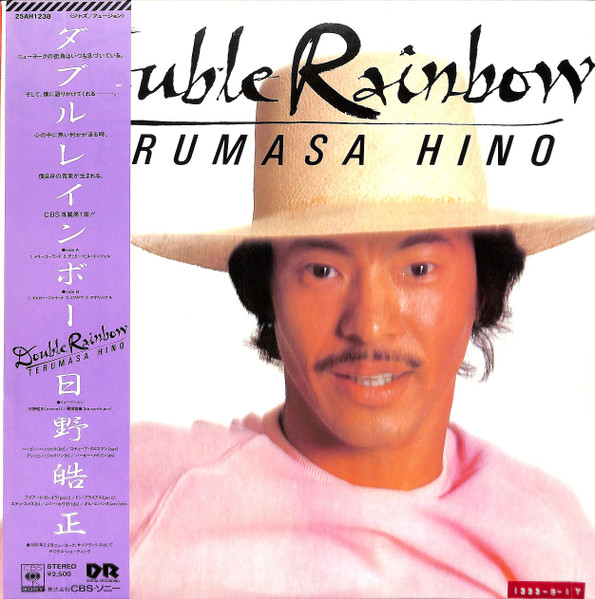
Double Rainbow
Terumasa Hino
1981
CBS/Sony
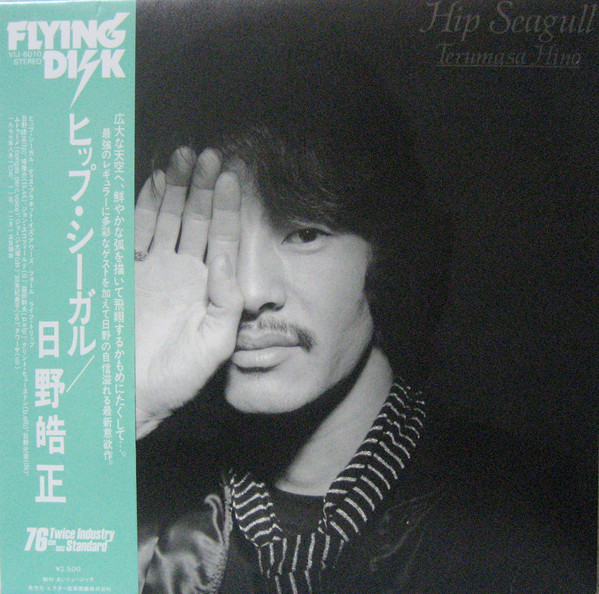
Hip Seagull
Terumasa Hino
1978
Flying Disk
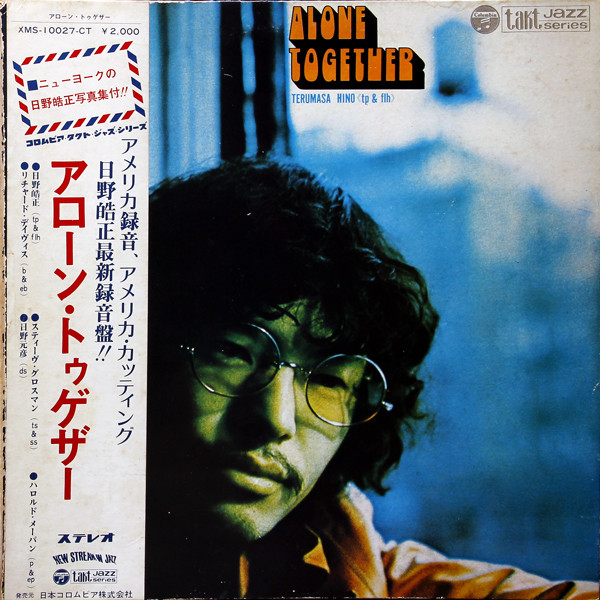
Alone Together = アローン・トゥゲザー
Terumasa Hino = Terumasa Hino
1970
Columbia
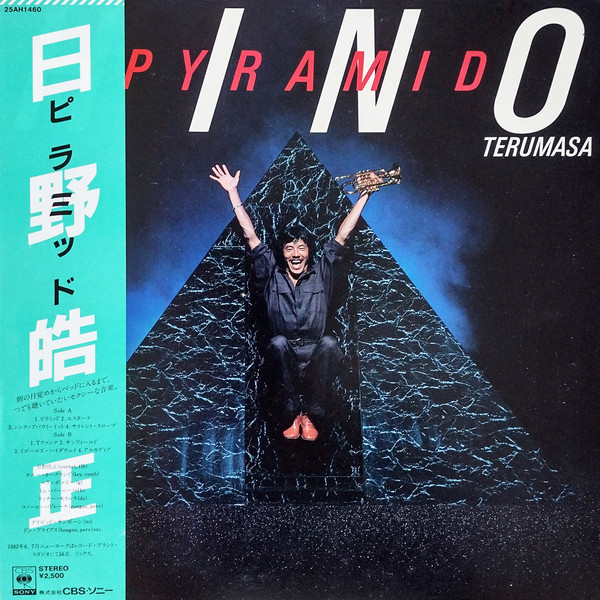
Pyramid = ピラミッド
Terumasa Hino = Terumasa Hino
1982
CBS/Sony
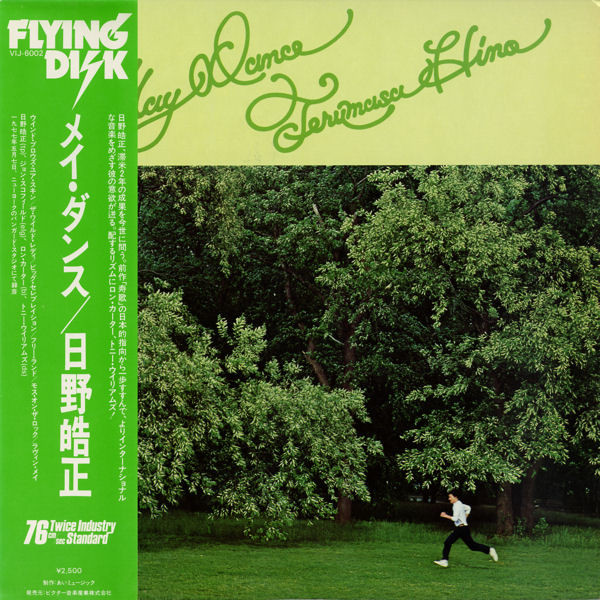
May Dance
Terumasa Hino
1977
Flying Disk
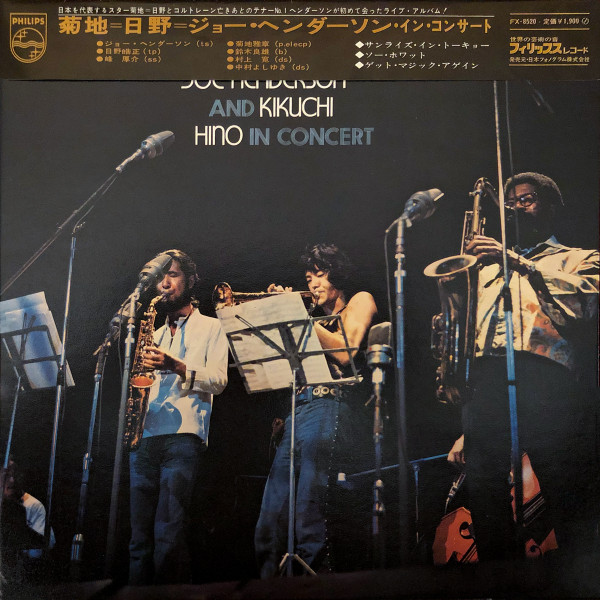
In Concert
Joe Henderson And Masabumi Kikuchi, Terumasa Hino
1971
Philips
Bio
Terumasa Hino was born on October 25, 1942, in Tokyo to a musical family. His father was a tap dancer and trumpeter who introduced him to American jazz. Hino learned tap dancing at age four and took up trumpet at age nine. He developed his skills through self-study rather than formal conservatory training, spending hours in Shinjuku jazz cafés transcribing solos by Clifford Brown, Miles Davis, Freddie Hubbard, and Lee Morgan. At age thirteen in 1955, he began performing professionally in American military clubs in Tokyo, inspired by pioneering Japanese jazz musicians Fumio Nanri and Hiroshi Sakaue.
Hino’s early career established him as a serious musician in Japan’s jazz scene. From 1964 to 1969, he led his own band while also playing trumpet in Hideo Shiraki’s Quintet. His debut solo album Alone, Alone and Alone (1967) presented hard bop and post-bop styles with a quartet format. The following year brought the Hino-Kikuchi Quintet (1968), a collaboration with pianist Masabumi Kikuchi and tenor saxophonist Takeru Muraoka that shifted toward modal jazz. Hi-Nology (1969) marked his breakthrough as a fusion artist, recorded with his brother Motohiko on drums and electric piano, featuring the piece “Like Miles” alongside Muraoka’s tenor saxophone. The album achieved critical and commercial success in Japan.
Hino relocated to New York in mid-1975 to work with international musicians including Joachim Kühn, Gil Evans, Jackie McLean, Hal Galper, Sam Jones, and Elvin Jones. His 1970s albums explored modal and avant-garde territory, including Into the Heaven (1970), Vibrations (1971), and Journey Into My Mind (1974). These recordings attracted both Japanese and American audiences. Daydream (1980) and Double Rainbow (1981) showcased his mature fusion style influenced by Miles Davis, featuring pianist Masabumi Kikuchi, bassist Eddie Gomez, and percussionist Airto Moreira. His sound demonstrated growing technical mastery and harmonic sophistication.
From the late 1980s onward, Hino divided his time between Japan and international touring. He adopted the cornet alongside trumpet and shifted toward acoustic hard bop, responding to jazz’s neo-bop movement. Acoustic Boogie (1996) reunited him with Kikuchi and saxophonist Greg Osby. Later releases including Transfusion (2002), Dragon (2006), and Crimson (2007) for Sony Music maintained his artistic relevance. In 2011, he recorded Aftershock, a hip-hop fusion project with DJ Honda that demonstrated his continued willingness to explore new musical directions. Hino received the Medal of Honor with Purple Ribbon in 2014 and the Order of the Rising Sun, Gold Rays with Rosette in 2019. He remains recognized as one of Japan’s most important jazz musicians and a significant figure in international jazz history.
Timeline
Key Terumasa Hino studio albums by decade, with the labels and styles that define each period.
| Decade | Key albums | Labels | Styles |
|---|---|---|---|
| 1970s |
| Columbia, Victor, Enja Records, Flying Disk | Fusion, Avant-garde Jazz, Post Bop, Jazz-Funk |
| 1980s |
| Flying Disk, CBS/Sony | Fusion, Jazz-Funk, Latin Jazz, Samba |
| 1990s |
| Somethin' Else, Sweet Basil | Contemporary Jazz, Post Bop, Fusion, Hard Bop |
| 2000s |
| SME Records, Sony Records Int'l | Contemporary Jazz |
| 2010s |
| Sony Records Int'l, Savoy Records, Super Fuji Discs, DJ Honda Recordings, B.J.L. | Contemporary Jazz, Fusion |
| 2020s |
| Anturtle Dede | — |
Albums by Style
Top albums grouped by style.
Fusion
Hip Seagull
Terumasa Hino
1978
Flying Disk
City Connection
Terumasa Hino
1979
Flying Disk
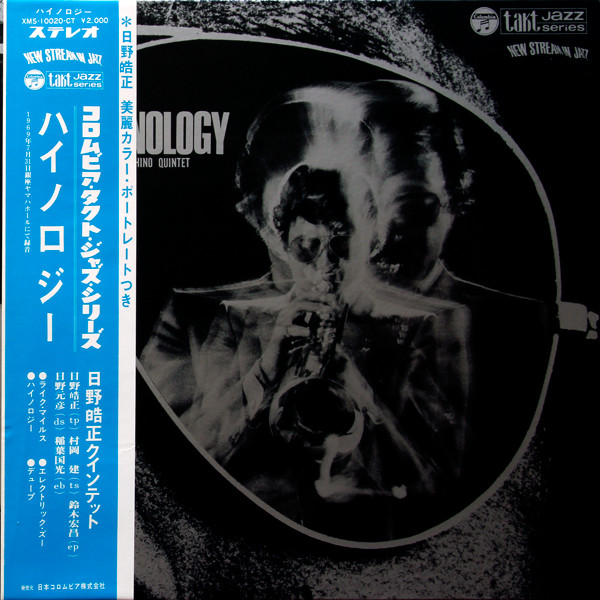
Hi-Nology = ハイノロジー
Terumasa Hino Quintet
1969
Columbia
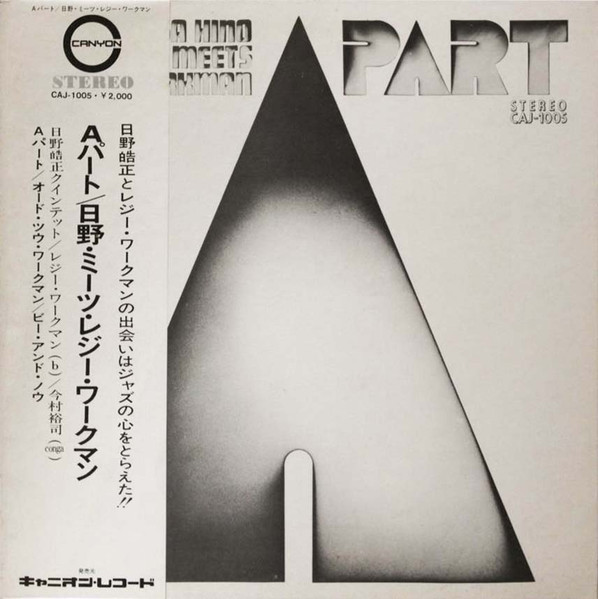
A Part
Terumasa Hino
1971
Canyon
Contemporary Jazz
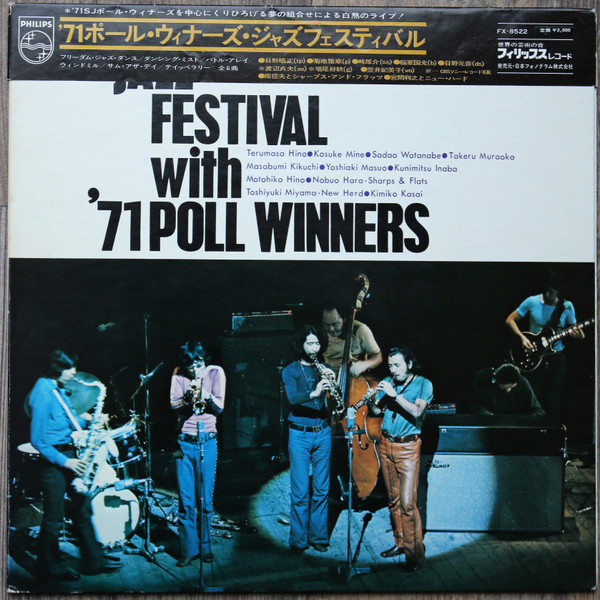
Jazz Festival With '71 Poll Winners
Terumasa Hino
1971
Philips
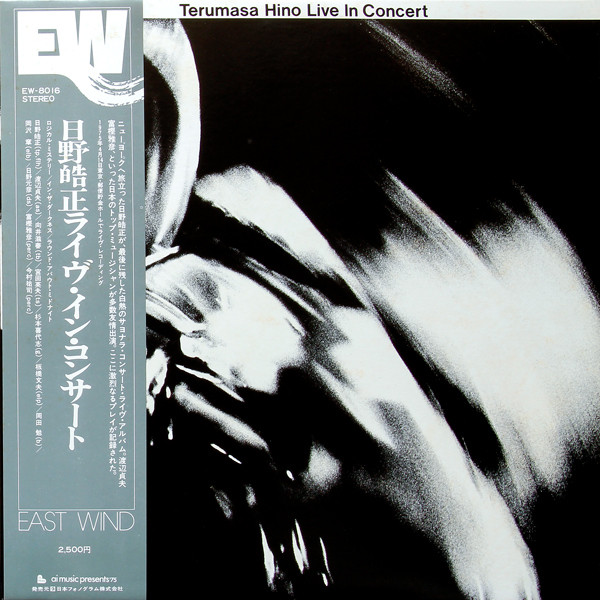
May Dance
Terumasa Hino
1977
Flying Disk
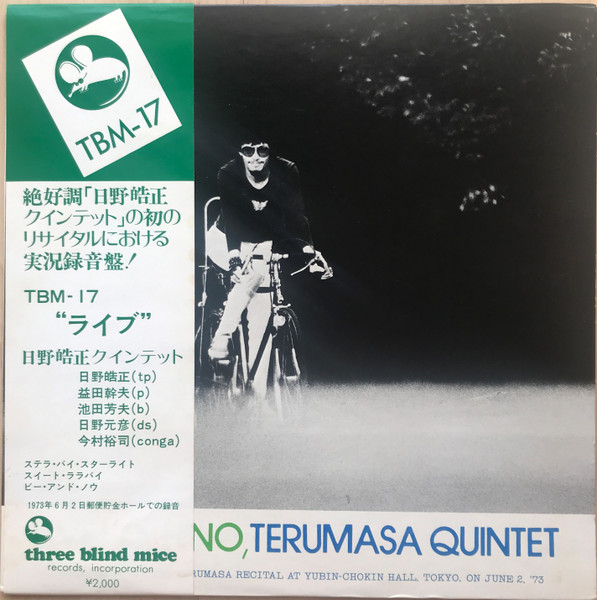
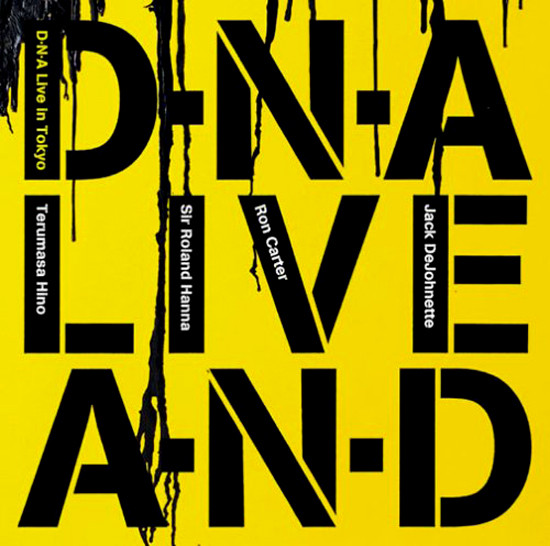
D-N-A Live In Tokyo
Terumasa Hino
2002
Sony Records Int'l
Post Bop
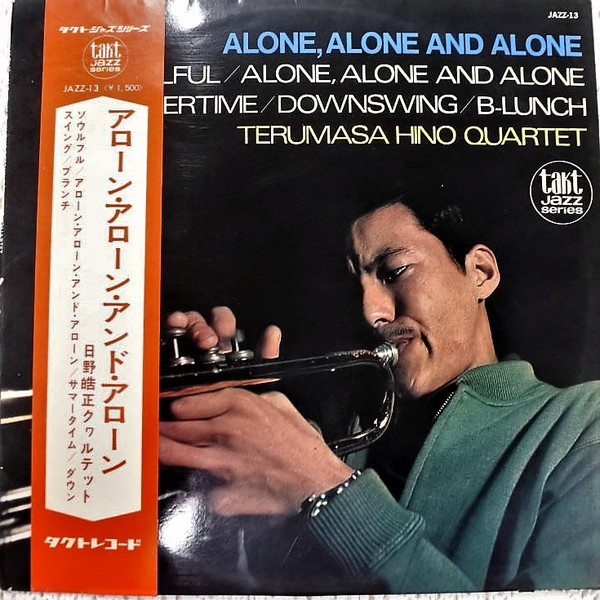
Alone, Alone And Alone
Terumasa Hino Quartet
1967
Takt
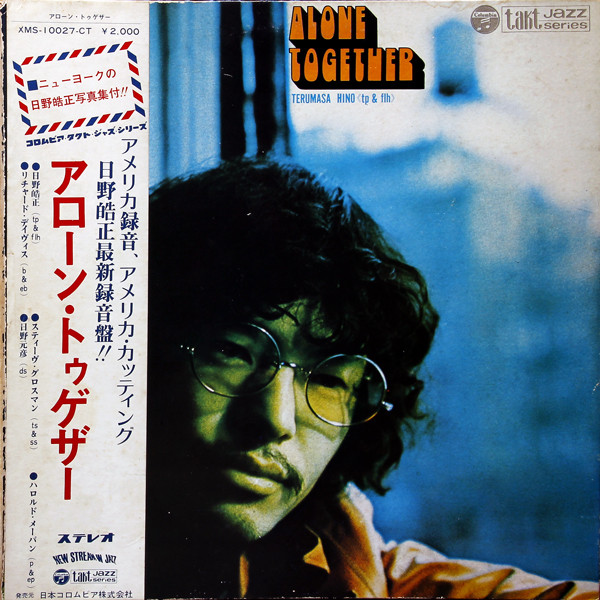
Alone Together
Terumasa Hino
1970
Columbia
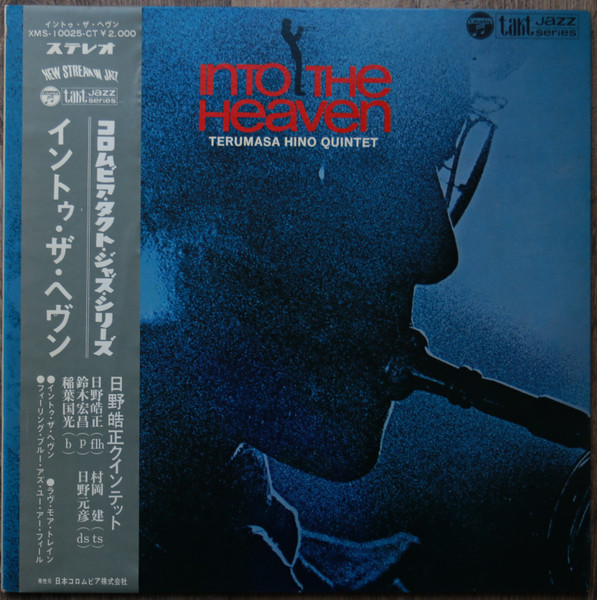
Into The Heaven
Terumasa Hino Quintet
1970
Columbia
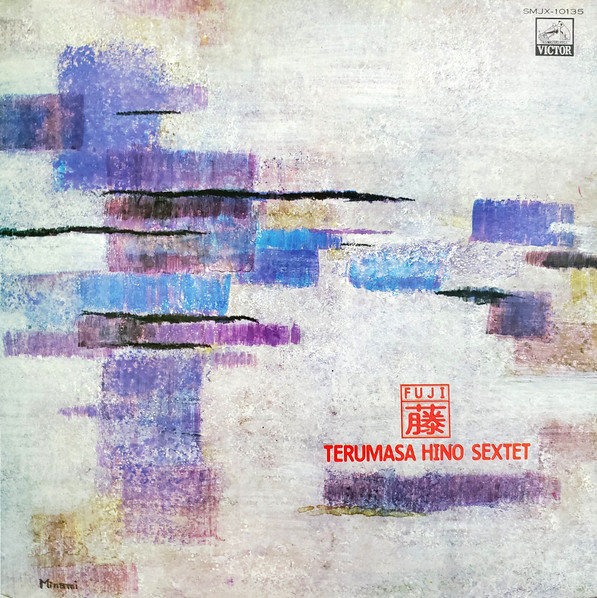
Fuji
Terumasa Hino Sextet
1972
Victor
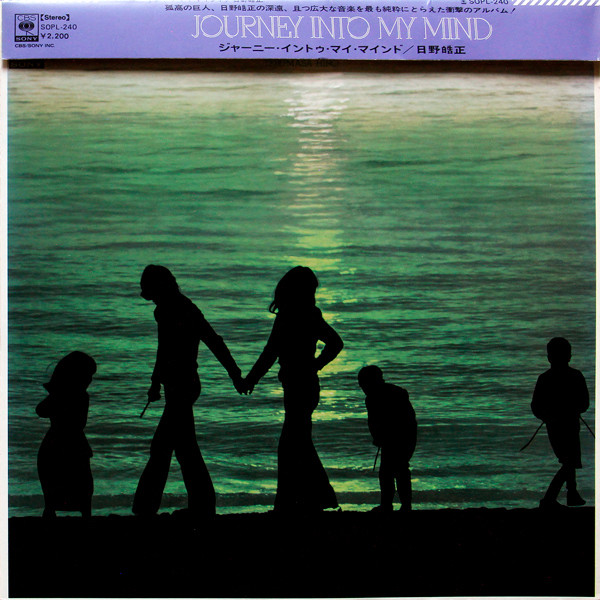
Journey Into My Mind
Terumasa Hino
1974
CBS/Sony
Similar Artists
Artists with similar styles and catalogs.
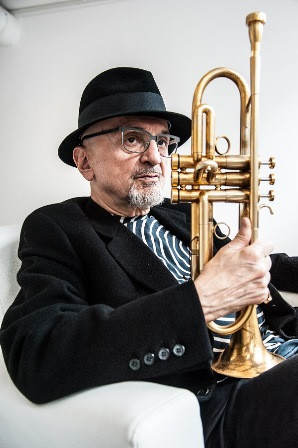
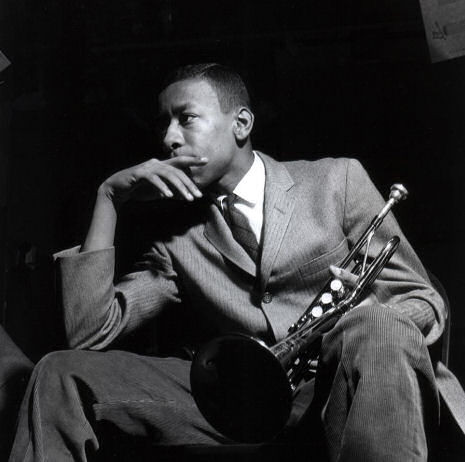
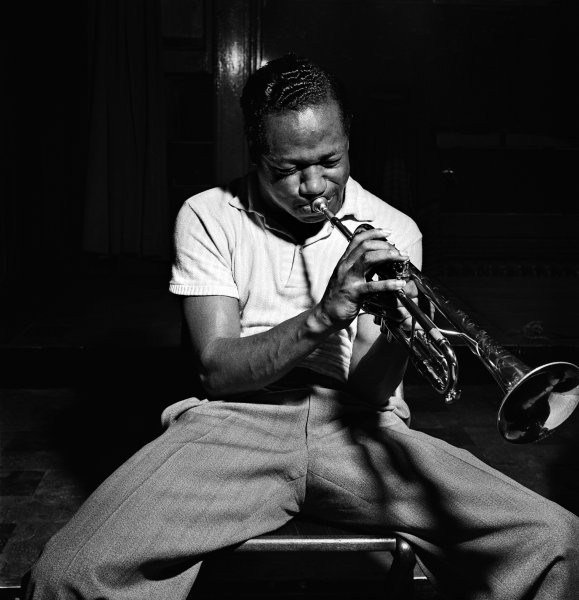
Terumasa Hino Discography
Terumasa Hino studio albums as leader and sideman.
Total: 131 releases
| Artist | Album | Label | Leader/Sideman | Style | Year |
|---|---|---|---|---|---|
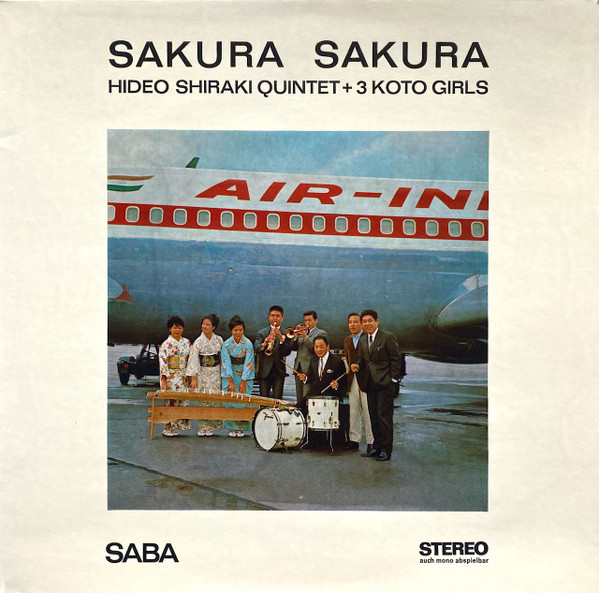
| Hideo Shiraki Quintet, Three Koto Girls | Sakura Sakura | SABA | Sideman | Modal | 1965 |
| Terumasa Hino Quartet | Alone, Alone And Alone | Takt | Sideman | Hard Bop | 1967 |
| Terumasa Hino Sextet | Beautiful Trumpet | Polydor | Sideman | 1967 | |
| Hideo Shiraki, 加山雄三 | Shiraki Meets Kayama Vol. 2 | Toshiba Records | Sideman | Hard Bop | 1967 |
| Various, Swing Journal All Stars | Swing Journal All Stars '67 | Takt | Sideman | Modal | 1967 |
| 日野皓正とクインテット+ストリングス | ムード・トランペット | Teichiku Records | Sideman | 1967 | |
| Terumasa Hino And His Group | Feelin' Good | Columbia | Sideman | Modal | 1968 |
| S. Sawada & The Modern Jazz All-stars | This Is Bossa Nova | CBS | Sideman | Bossa Nova | 1968 |
| Eddie Daniels | This Is New | Columbia | Sideman | Modal | 1968 |
| バガボンズ, バガボンズ | Underground Disk: Hippies A Go-Go: San Francisco = アンダー・グランド・ディスク: ヒッピーズ・ア・ゴーゴー: 花のサンフランシスコ | Nivico | Sideman | Avant-garde Jazz | 1968 |
| Terumasa Hino Quintet, Terumasa Hino Quintet | Hi-Nology = ハイノロジー | Columbia | Sideman | Fusion | 1969 |
| Hino=Kikuchi Quintet | Hino=Kikuchi Quintet | Columbia | Sideman | Modal | 1969 |
| Sadao Watanabe | Sadao Plays Bacharach And Beatles | Columbia | Sideman | Big Band | 1969 |
| Terumasa Hino | Alone Together | Columbia | Leader | Post Bop | 1970 |
| Terumasa Hino, Takeshi Terauchi | At Rock'n'Roll | Toshiba Records | Leader | Surf | 1970 |
| Group Everything Everything Everything | Hino's "Journey To Air" | Love Records | Sideman | Free Jazz | 1970 |
| Terumasa Hino Quintet | Into The Heaven | Columbia | Sideman | Post Bop | 1970 |
| Terumasa Hino, Reggie Workman | A Part | Canyon | Leader | Fusion | 1971 |
| Masabumi Kikuchi | All About Dancing Mist | Philips | Sideman | Free Jazz | 1971 |
| Terumasa Hino, Kohsuke Mine, Sadao Watanabe, Takeru Muraoka, Masabumi Kikuchi, Yoshiaki Masuo, Kunimitsu Inaba, Motohiko Hino, Nobuo Hara And His Sharps & Flats, Toshiyuki Miyama & The New Herd, Kimiko Kasai | Jazz Festival With '71 Poll Winners | Philips | Leader | Post Bop | 1971 |
Terumasa Hino Collaborations
Players they worked with most often, as leader and as sideman.
As Leader
| Musician | Role | Releases |
|---|---|---|
| Motohiko Hino | Drums | 20 |
| Akira Ishii | Piano | 9 |
| Masabumi Kikuchi | Piano | 5 |
| Hideaki Kanazawa | Bass | 5 |
| Kunimitsu Inaba | Bass | 4 |
| Takeru Muraoka | Tenor Saxophone | 4 |
| Kohsuke Mine | Soprano Saxophone | 4 |
| Sadao Watanabe | Alto Saxophone | 4 |
| Tsutomu Okada | Bass | 4 |
| Hideo Miyata | Tenor Saxophone | 4 |
As Sideman
| Musician | Role | Releases |
|---|---|---|
| Motohiko Hino | Drums | 25 |
| Takeru Muraoka | Tenor Saxophone | 10 |
| Kunimitsu Inaba | Bass | 10 |
| Masabumi Kikuchi | Piano | 9 |
| David Liebman | Soprano Saxophone | 7 |
| Sadao Watanabe | Alto Saxophone | 7 |
| David Liebman | Tenor Saxophone | 6 |
| Kiyoshi Sugimoto | Guitar | 6 |
| Yoshio Ikeda | Bass | 6 |
| Hideo Ichikawa | Piano | 5 |
Styles & Genres Distribution
Style and genre mix across their releases.
Styles
| Style | Releases | Percentage |
|---|---|---|
| Fusion | 30 | 22.9% |
| Contemporary Jazz | 29 | 22.1% |
| Post Bop | 23 | 17.6% |
| Modal | 14 | 10.7% |
| Avant-garde Jazz | 12 | 9.2% |
| Hard Bop | 11 | 8.4% |
| Jazz-Funk | 11 | 8.4% |
| Free Jazz | 8 | 6.1% |
| Big Band | 5 | 3.8% |
| Latin Jazz | 5 | 3.8% |
Genres
| Genre | Releases | Percentage |
|---|---|---|
| Jazz | 128 | 97.7% |
| Funk / Soul | 12 | 9.2% |
| Electronic | 6 | 4.6% |
| Rock | 5 | 3.8% |
| Latin | 5 | 3.8% |
| Pop | 4 | 3.1% |
| Folk | 2 | 1.5% |
| World | 2 | 1.5% |
| & Country | 2 | 1.5% |
| Stage & Screen | 1 | 0.8% |
Top Labels
Labels with the most releases in their catalog.
| Label | Releases |
|---|---|
| CBS/Sony | 17 |
| Sony Records Int'l | 10 |
| Columbia | 7 |
| Somethin' Else | 7 |
| Enja Records | 5 |
| East Wind | 5 |
| Flying Disk | 4 |
| Sweet Basil | 4 |
| Canyon | 3 |
| Takt | 2 |
Key Personnel
Frequent producers, engineers, and studio credits.
| Person | Role | Releases |
|---|---|---|
| Various | Leader | 29 |
| Kiyoshi Itoh | Producer | 15 |
| Shoichi Yui | Liner Notes | 10 |
| Toshinari Koinuma | Executive-Producer | 7 |
| Yozo Iwanami | Liner Notes | 5 |
| Horst Weber | Producer | 5 |
| Matthias Winckelmann | Producer | 5 |
| Tadayuki Naitoh | Photography By | 5 |
| Yasohachi Itoh | Producer | 5 |
| Yukio Morisaki | Producer | 4 |