
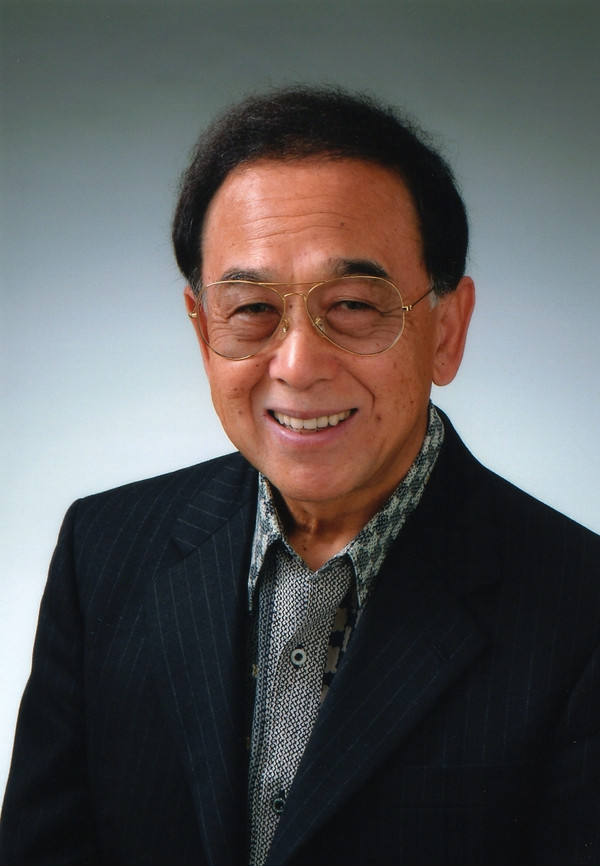
Masaru Imada
- Instrument:
- Piano
- Styles:
- Fusion, Contemporary Jazz, Modal, Jazz-Rock, Jazz-Funk, Latin Jazz, Vocal, Post Bop, Soul-Jazz, Ballad
Best Masaru Imada Albums
Leader albums ranked by reissues and demand.
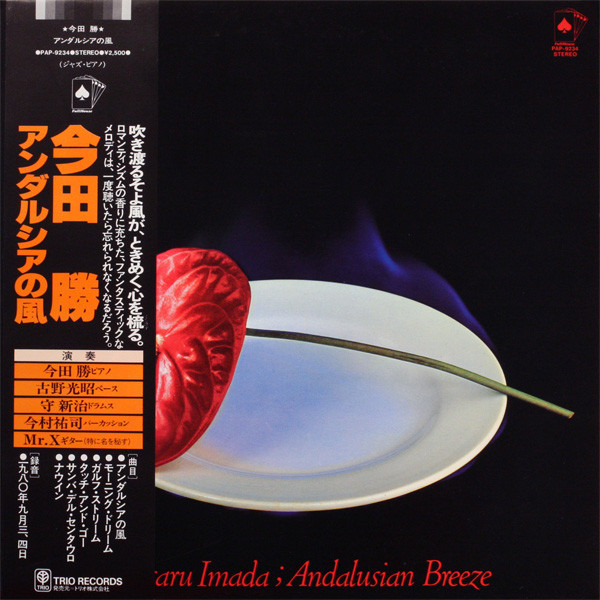
Andalusian Breeze
Masaru Imada
1980
Full House
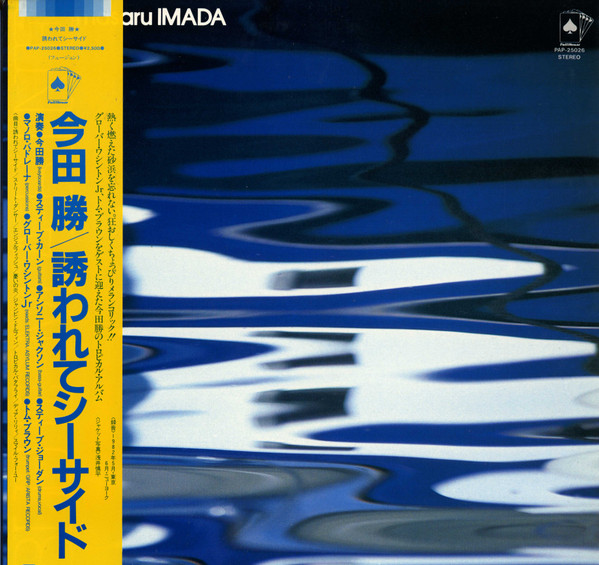
Blue Marine
Masaru Imada
1982
Full House
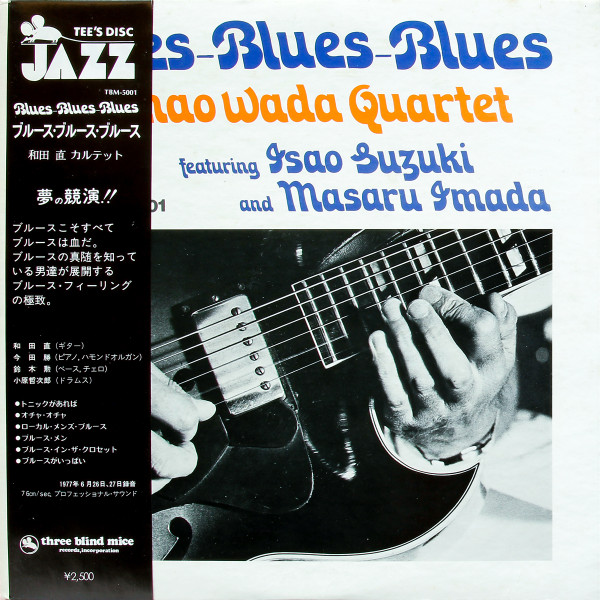
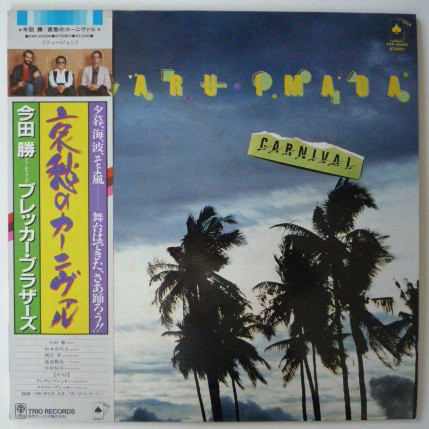
Carnival
Masaru Imada
1981
Full House
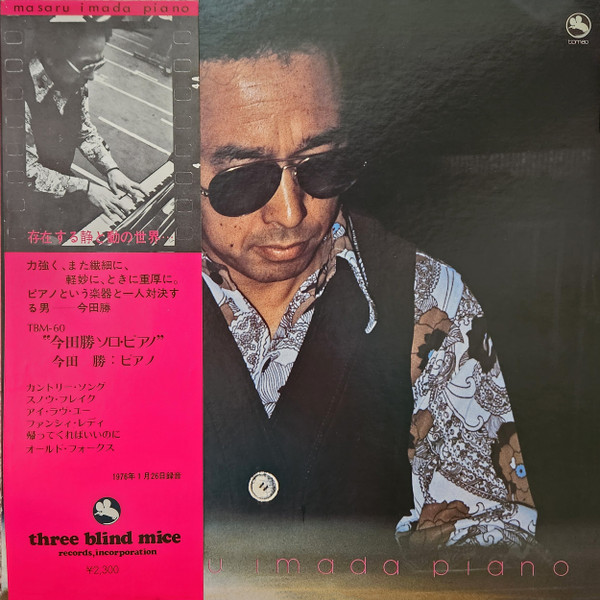
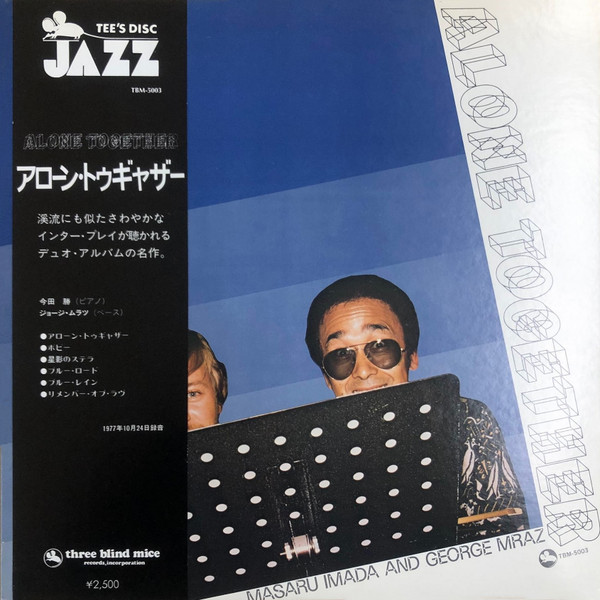
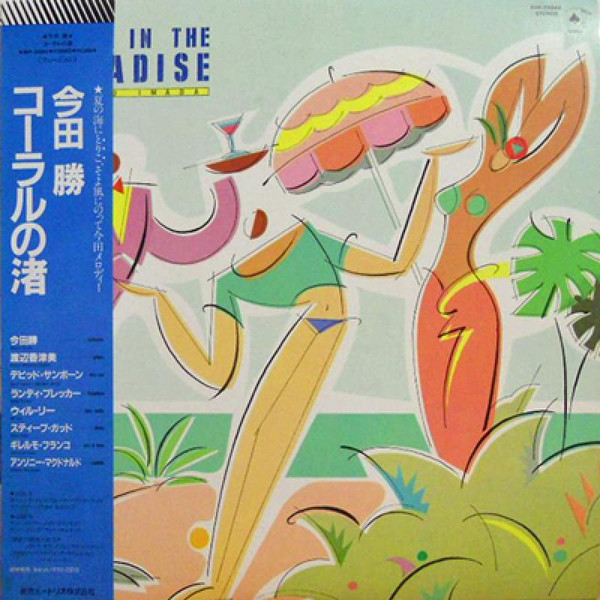
A Day In The Paradise
Masaru Imada
1983
Full House
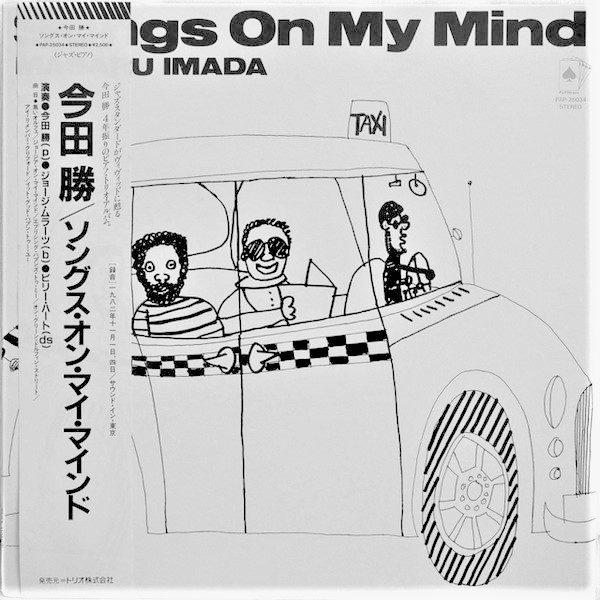
Songs On My Mind
Masaru Imada
1982
Full House
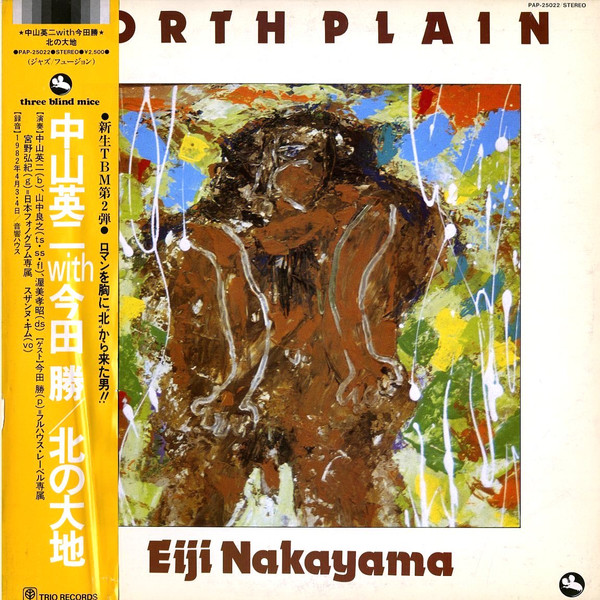
Bio
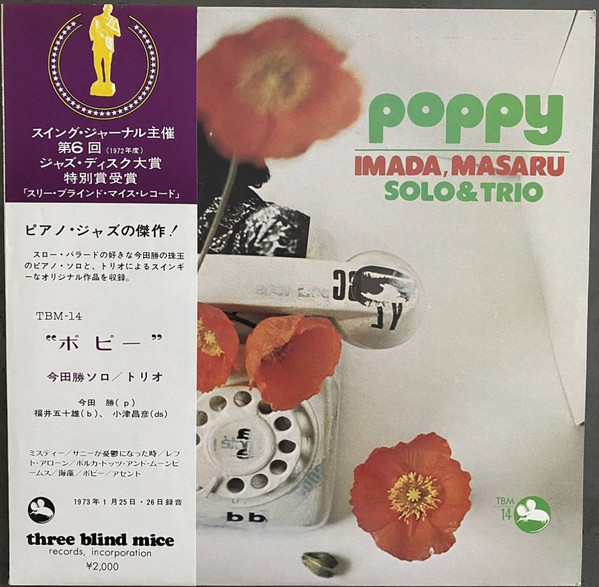
Masaru Imada was born on March 21, 1932, in Tokyo, Japan. He received classical piano training as a youth and became interested in jazz while studying at Meiji University. After one year in business, he committed fully to music. By the early 1970s, Imada had become central to Japan’s jazz scene. He joined Three Blind Mice Records as a founding artist when the label launched in June 1970. Imada’s debut album as a leader, “Now!!” (1970), featured saxophonist Ichiro Mimori, bassist Takashi Mizuhashi, and drummer Masahiko Ozu. The album showcased his lyrical, emotionally restrained playing style through original compositions. He recorded prolifically for Three Blind Mice throughout the mid-to-late 1970s, releasing “Poppy” (1973), “Green Caterpillar” (1975), and “Masaru Imada Piano” (1976). “Green Caterpillar” demonstrated the label’s approach of blending acoustic and electric instruments while respecting jazz tradition. His trio format became his signature, often featuring bassist Isoo Fukui and drummer Tetsujiro Obara. His Bosendorfer piano provided the warm, spacious tone that defined these sessions. By the late 1970s, Imada’s work evolved toward fusion and funk. His 1979 album “Blue Marine” featured American jazz musicians including saxophonist Grover Washington Jr., trumpeter Tom Browne, guitarist Steve Khan, bassist Anthony Jackson, and drummer Steve Jordan. This album showed his ability to balance acoustic introspection with contemporary electric grooves. Imada also collaborated extensively with Japanese musicians including bassist Isao Suzuki and drummer Takeshi Inomata. These partnerships reinforced his role as a bridge between Western jazz traditions and the emerging Japanese scene. Over five decades, Imada released more than eighty recordings and established himself as one of Japan’s most influential pianists. His technical command and sophisticated harmonic sensibilities defined his mature style. He maintained an unwavering commitment to melodic and emotional expression throughout his career. Imada died on May 30, 2025, at age 92, leaving a legacy as a central architect of Japan’s modern jazz identity.
Timeline
Key Masaru Imada studio albums by decade, with the labels and styles that define each period.
| Decade | Key albums | Labels | Styles |
|---|---|---|---|
| 1970s |
| Three Blind Mice, Yupiteru Records | Modal, Post Bop, Contemporary Jazz, Free Improvisation |
| 1980s |
| Full House | Latin Jazz, Fusion, Avant-garde Jazz, Contemporary Jazz |
| 1990s |
| Alfa Jazz | Bop |
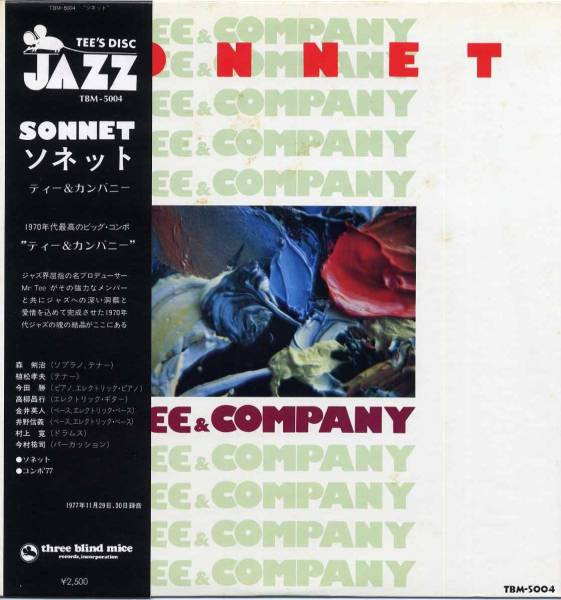
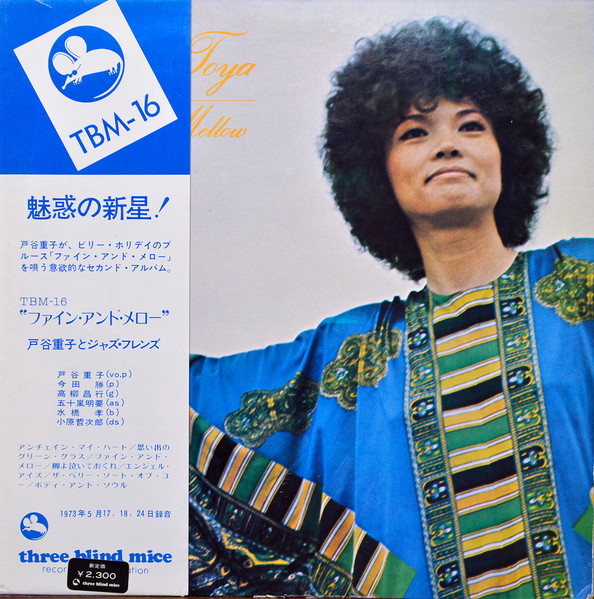
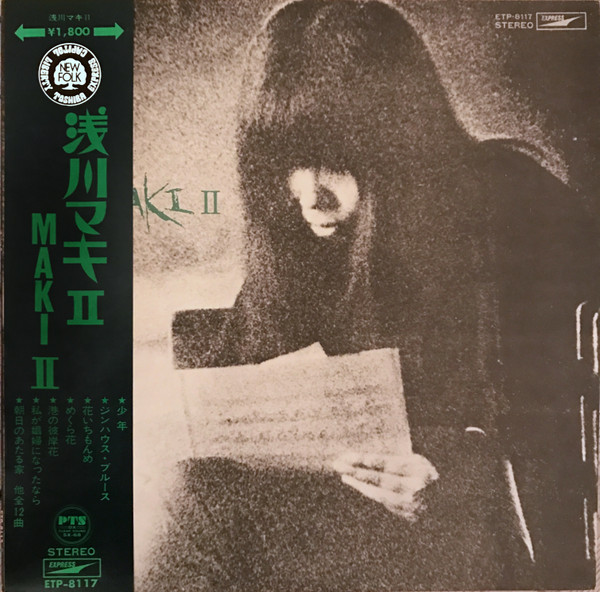
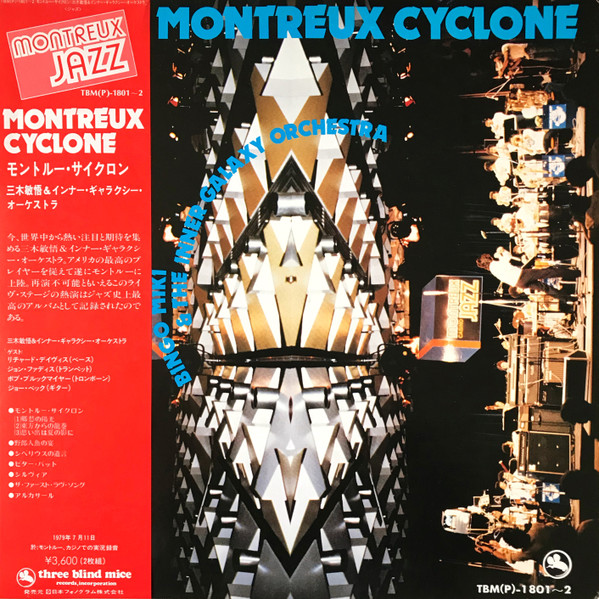
Albums by Style
Top albums grouped by style.
Fusion
Carnival
Masaru Imada
1981
Full House
Songs On My Mind
Masaru Imada
1982
Full House
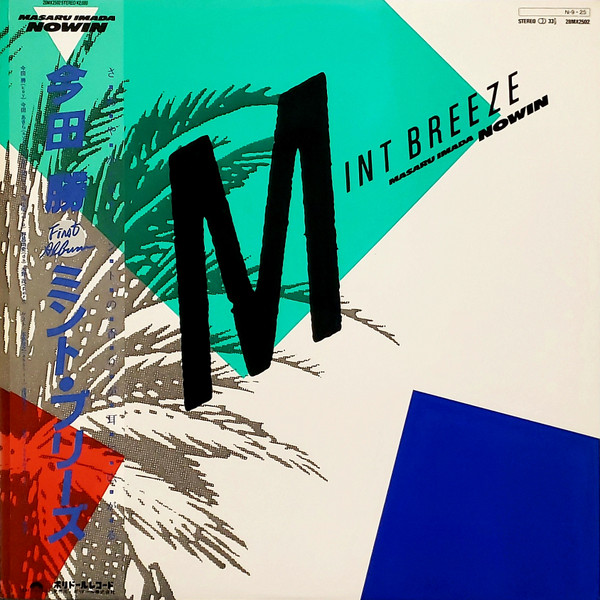
Mint Breeze
Masaru Imada Nowin
1984
Polydor
A Day In The Paradise
Masaru Imada
1983
Full House
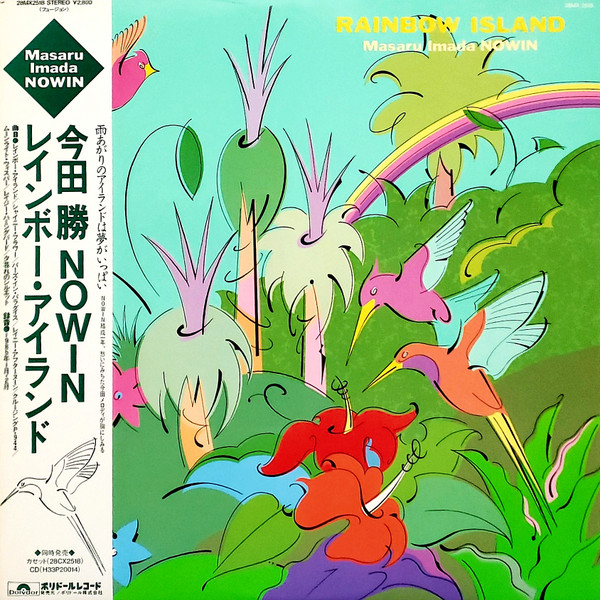
Rainbow Island
Masaru Imada NOWIN
1985
Polydor
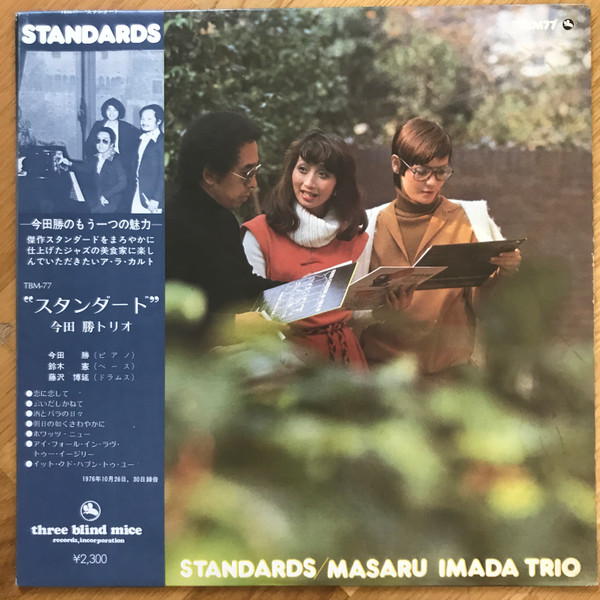
Contemporary Jazz
Andalusian Breeze
Masaru Imada
1980
Full House
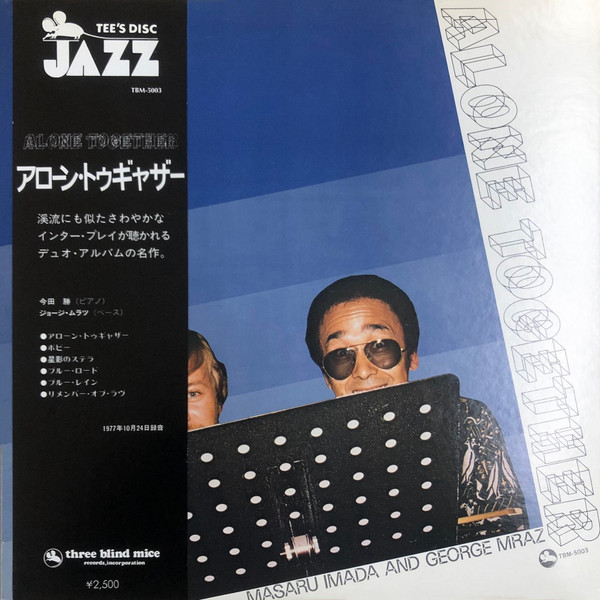
Latin Jazz
Blue Marine
Masaru Imada
1982
Full House
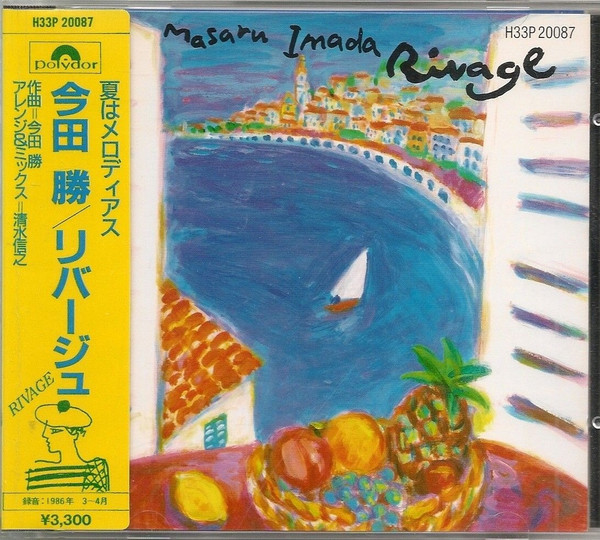
Rivage
Masaru Imada
1986
Polydor
Similar Artists
Artists with similar styles and catalogs.
Masaru Imada Discography
Masaru Imada studio albums as leader and sideman.
Total: 66 releases
| Artist | Album | Label | Leader/Sideman | Style | Year |
|---|---|---|---|---|---|
| Helen Merrill | Autumn Love | Victor World Group | Sideman | Vocal | 1967 |
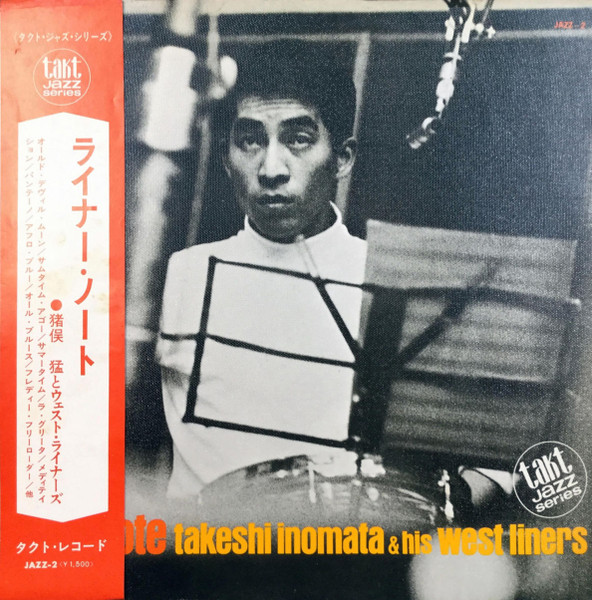
| Takeshi Inomata & His West Liners | Liner Note | Takt | Sideman | Bossa Nova | 1967 |
| Kaori Saiki, Kaori Saiki | Speak Low | T-Toc Records | Sideman | Vocal | 1967 |
| Hiroshi Matsumoto & Swinging Herd | Groovy Indeed | Victor World Group | Sideman | Jazz-Rock | 1969 |
| Jiro Inagaki & Soul Media, Jiro Inagaki & Soul Media | Head Rock = ヘッド・ロック | Columbia | Sideman | Jazz-Rock | 1970 |
| Jiro Inagaki & Soul Media, Jiro Inagaki & Soul Media | Jazz & Rock "Out" 真夏の夜のロック | Columbia | Sideman | Jazz-Rock | 1970 |
| Masaru Imada Trio | Maki | Victor World Group | Sideman | 1970 | |
| Masaru Imada Quartet | Now!! | Three Blind Mice | Sideman | Modal | 1970 |
| Toshiaki Yokota | エキサイティング・フルート = Exciting Flute | Express | Sideman | Jazz-Rock | 1970 |
| Takeshi Inomata & Sound Limited | Inomata Meets Rock | Polydor | Sideman | Jazz-Rock | 1971 |
| Maki Asakawa | Maki II = 浅川マキ II | Express | Sideman | Folk Rock | 1971 |
| Sadakazu Tabata & Groovy 6 | Smash In The Rock | Polydor | Sideman | Psychedelic Rock | 1971 |
| Shigeko Toya, Masaru Imada Trio | Toya, Shigeko With The Imada, Masaru Trio | Three Blind Mice | Sideman | Vocal | 1972 |
| Jiro Inagaki & Soul Media, Hiromasa Suzuki | By The Red Stream | Columbia | Sideman | Jazz-Rock | 1973 |
| Shigeko Toya | Fine And Mellow | Three Blind Mice | Sideman | Vocal | 1973 |
| Masaru Imada, Masaru Imada Trio | Poppy | Three Blind Mice | Leader | Modal | 1973 |
| Masaru Imada Trio, Eiji Kitamura | Yuh Sings For You | Myuh Records | Sideman | 1973 | |
| Yoshiko Goto, Yoshiko Goto | Gentle Rain | Columbia | Sideman | 1975 | |
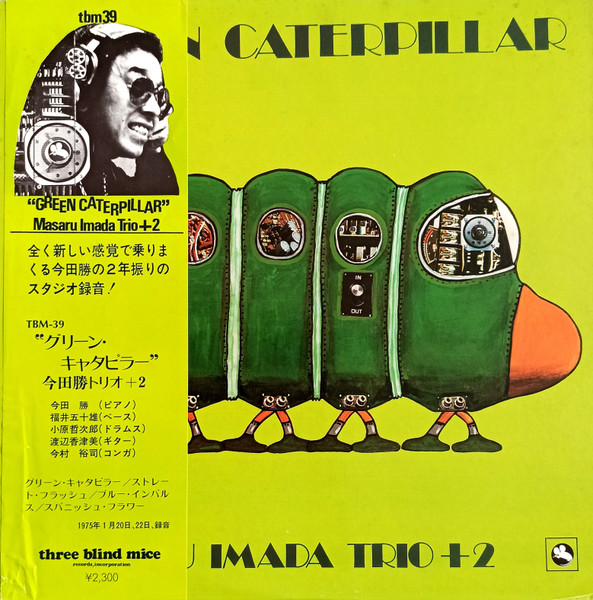
| Masaru Imada Trio | Green Caterpillar | Three Blind Mice | Sideman | Jazz-Funk | 1975 |
| JMO | Jazz Minus One Vol.2 | Tam | Sideman | 1976 |
Masaru Imada Collaborations
Players they worked with most often, as leader and as sideman.
As Leader
| Musician | Role | Releases |
|---|---|---|
| Yuji Imamura | Percussion | 3 |
| Tetsujiro Obara | Drums | 2 |
| George Mraz | Bass | 2 |
| Masa Marumo | Coordinator | 2 |
| Shinji Mori | Drums | 2 |
| Kazuo Harada | Coordinator [Production Coordination] | 2 |
| Randy Brecker | Flugelhorn | 2 |
| Isoo Fukui | Bass | 1 |
| Isoo Fukui | Acoustic Bass | 1 |
| Masahiko Ozu | Drums | 1 |
As Sideman
| Musician | Role | Releases |
|---|---|---|
| Sadanori Nakamure | Guitar | 10 |
| Kunimitsu Inaba | Bass | 9 |
| Akira Miyazawa | Tenor Saxophone | 8 |
| Yuji Imamura | Percussion | 8 |
| Tetsuo Fushimi | Trumpet | 7 |
| Takashi Mizuhashi | Bass | 7 |
| Tetsujiro Obara | Drums | 7 |
| Akira Imada | Synthesizer | 6 |
| Shigeo Suzuki | Alto Saxophone | 6 |
| Takeshi Inomata | Drums | 6 |
Styles & Genres Distribution
Style and genre mix across their releases.
Styles
| Style | Releases | Percentage |
|---|---|---|
| Fusion | 13 | 19.7% |
| Contemporary Jazz | 12 | 18.2% |
| Modal | 9 | 13.6% |
| Jazz-Rock | 7 | 10.6% |
| Jazz-Funk | 6 | 9.1% |
| Latin Jazz | 6 | 9.1% |
| Vocal | 5 | 7.6% |
| Post Bop | 5 | 7.6% |
| Soul-Jazz | 3 | 4.5% |
| Ballad | 2 | 3% |
Genres
| Genre | Releases | Percentage |
|---|---|---|
| Jazz | 65 | 98.5% |
| Funk / Soul | 5 | 7.6% |
| Rock | 4 | 6.1% |
| Latin | 3 | 4.5% |
| Blues | 2 | 3% |
| Electronic | 1 | 1.5% |
| Folk | 1 | 1.5% |
| World | 1 | 1.5% |
| & Country | 1 | 1.5% |
| Pop | 1 | 1.5% |
Top Labels
Labels with the most releases in their catalog.
| Label | Releases |
|---|---|
| Three Blind Mice | 17 |
| Polydor | 9 |
| Tam | 9 |
| Full House | 6 |
| Columbia | 4 |
| Victor World Group | 3 |
| Yupiteru Records | 3 |
| Express | 2 |
| Alfa Jazz | 2 |
| Takt | 1 |
Key Personnel
Frequent producers, engineers, and studio credits.
| Person | Role | Releases |
|---|---|---|
| Takeshi Fujii | Producer | 17 |
| Ben Nishizawa | Art Direction | 10 |
| Yoshihiko Kannari | Engineer | 8 |
| JMO | Leader | 8 |
| Various | Leader | 7 |
| Masa Marumo | Producer | 6 |
| Kuniya Inaoka | Producer | 5 |
| Yoshihiko Kannari | Engineer [Recording Engineer] | 4 |
| Ben Nishizawa | Art Direction [Art Director] | 4 |
| 山口弘滋 | Liner Notes | 3 |