
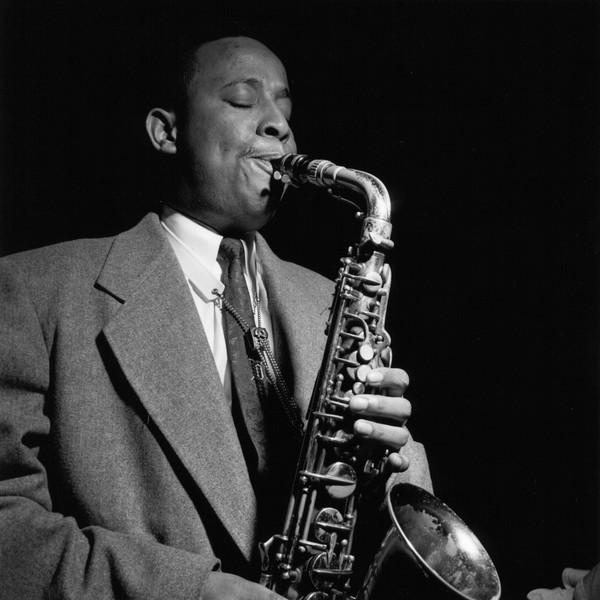
Lou Donaldson
- Born:
- -
- Instrument:
- Alto Saxophone
- Notable collaborations:
- Art Blakey, Clifford Brown, Horace Silver, Jimmy Smith, Thelonious Monk
- Styles:
- Soul-Jazz, Bop, Hard Bop, Jazz-Funk, Post Bop, Contemporary Jazz, Funk, Soul, Disco, Smooth Jazz
Best Lou Donaldson Albums
Leader albums ranked by reissues and demand.
Bio
Lou Donaldson was born on November 1, 1926, in Badin, North Carolina, a mill town east of Charlotte. His mother, Lucy Wallace Donaldson, was a concert pianist and schoolteacher. His father, Louis Andrew Donaldson Sr., worked as an AME Zion minister and aluminum factory worker. Unlike his siblings, young Lou rejected piano lessons, finding his mother’s strict teaching methods discouraging. At age nine, after his mother heard him sing back piano melodies from her students’ lessons, she recognized his musical talent and introduced him to clarinet. He enrolled at North Carolina A&T College in Greensboro at age 15. The U.S. Navy drafted him in 1945, and Donaldson joined the Great Lakes Navy Band in Chicago. There he encountered bebop and heard Charlie Parker perform. Inspired by Parker’s intensity, he abandoned clarinet for alto saxophone. After his discharge in 1946, he completed his bachelor’s degree at A&T in May 1948, earning recognition for a thesis on swing-to-bebop transformation.
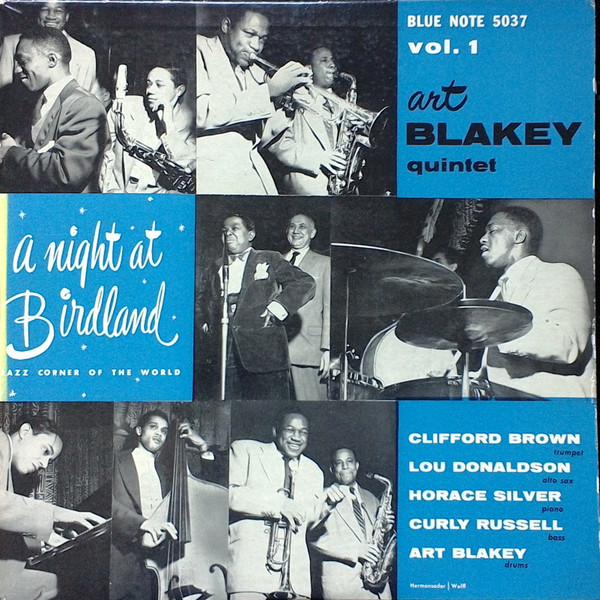
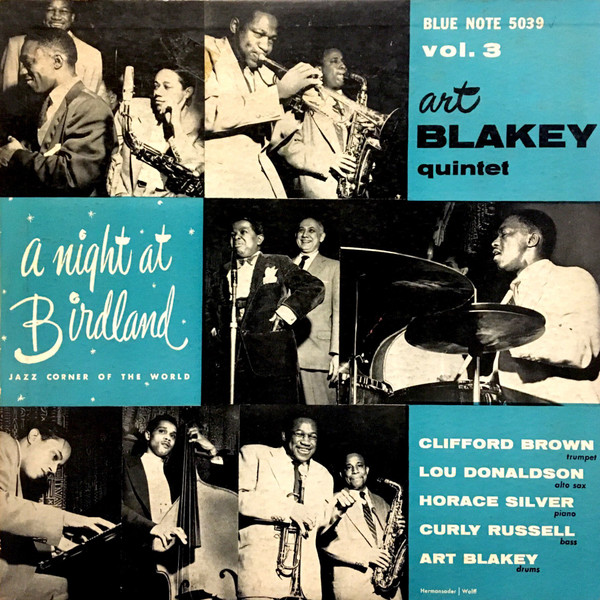
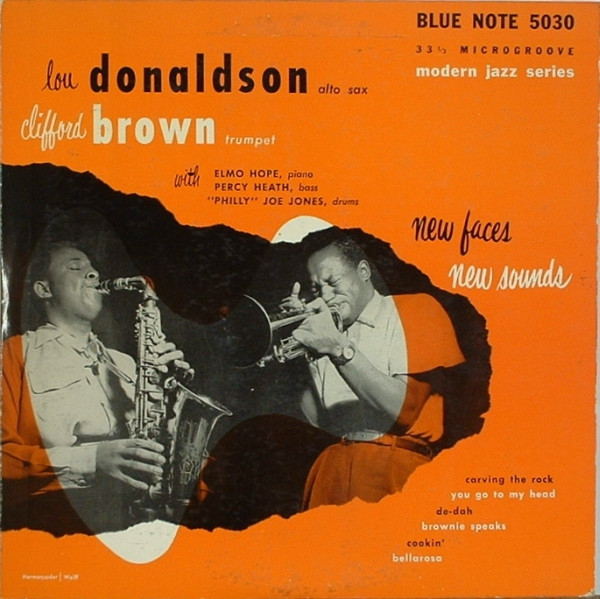
Donaldson moved to New York in 1949 and studied at the Darrow Institute of Music on the GI Bill while performing in Harlem clubs. He signed with Blue Note Records in November 1952 after Alfred Lion heard him at Minton’s Playhouse and sought a Charlie Parker-influenced saxophonist. Donaldson became Blue Note’s unofficial house alto, recording with Milt Jackson, Thelonious Monk, and Clifford Brown during 1952 and 1953. His June 1953 session with Clifford Brown on New Faces, New Sounds featured Horace Silver on piano, Gene Ramey on bass, and Philly Joe Jones on drums, helping define early hard bop. The 1954 live session A Night at Birdland with Art Blakey, Horace Silver, and Clifford Brown, recorded February 21 at New York’s Birdland, crystallized hard bop’s core sound by combining bebop’s harmonic complexity with blues fundamentals and swinging rhythm.
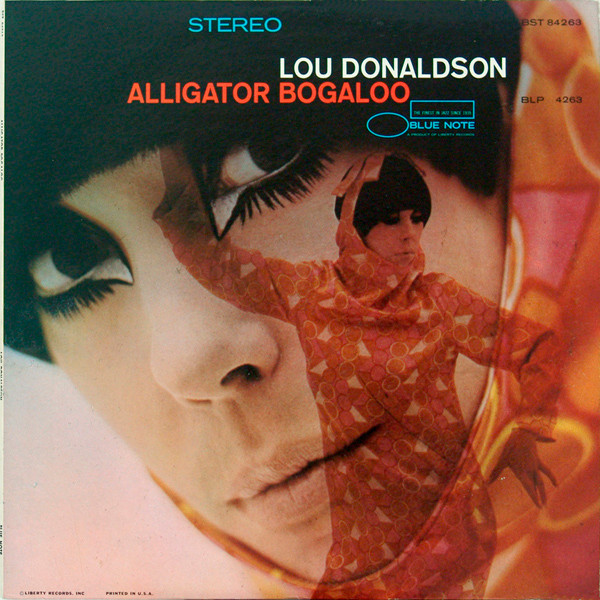
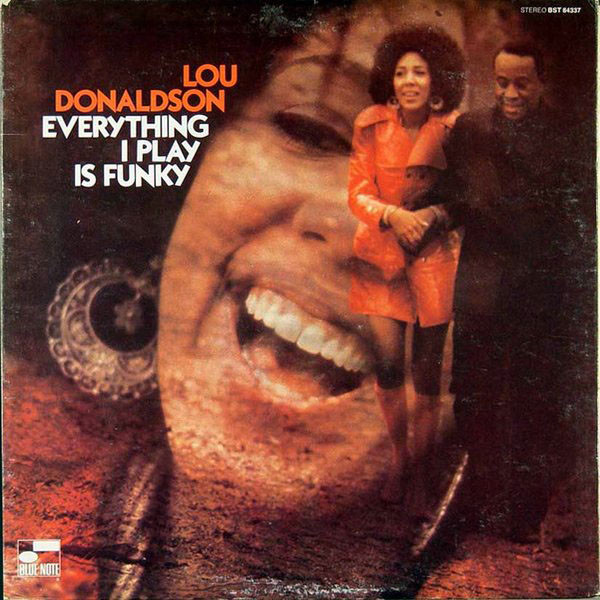
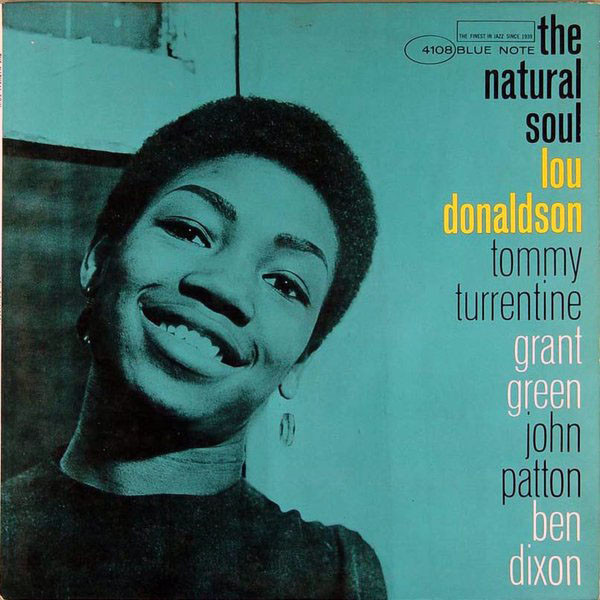
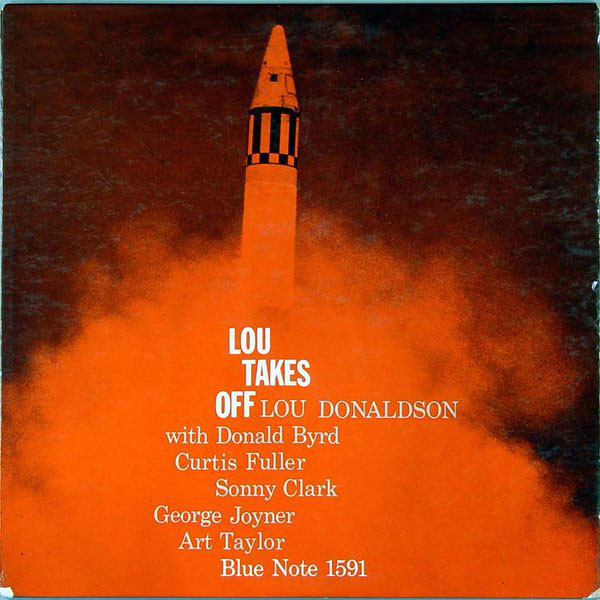
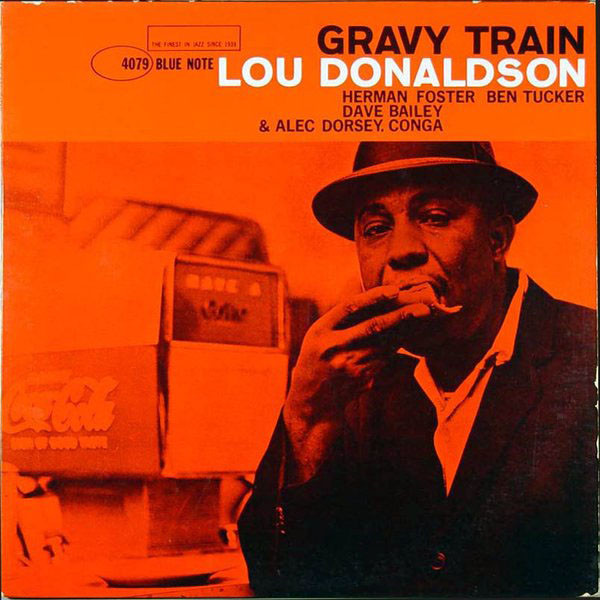
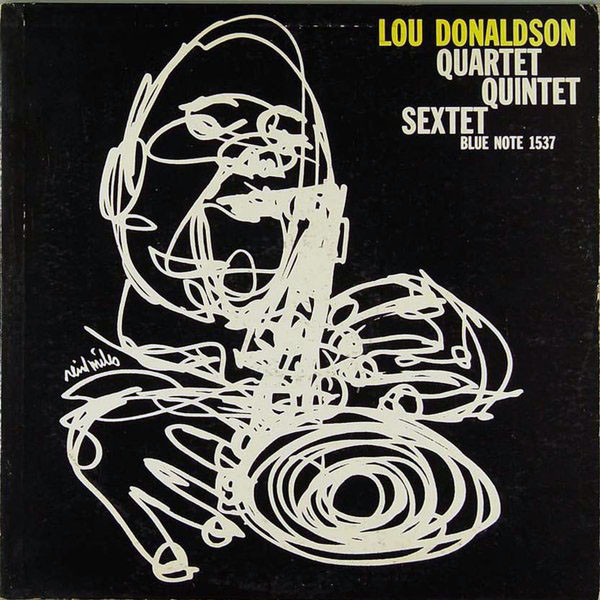
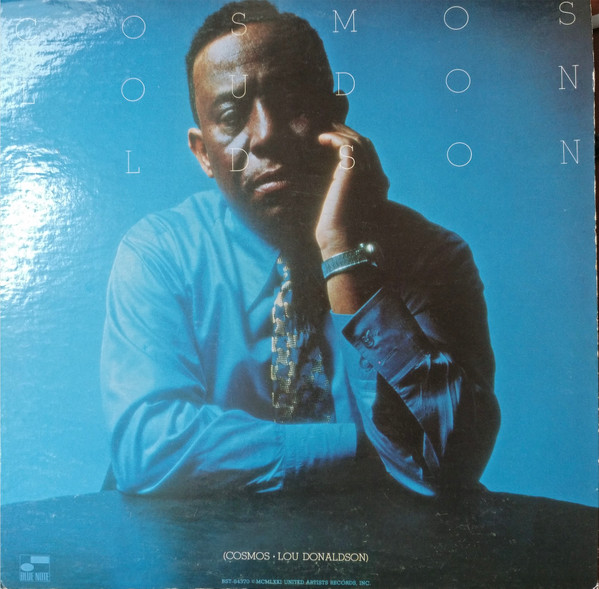
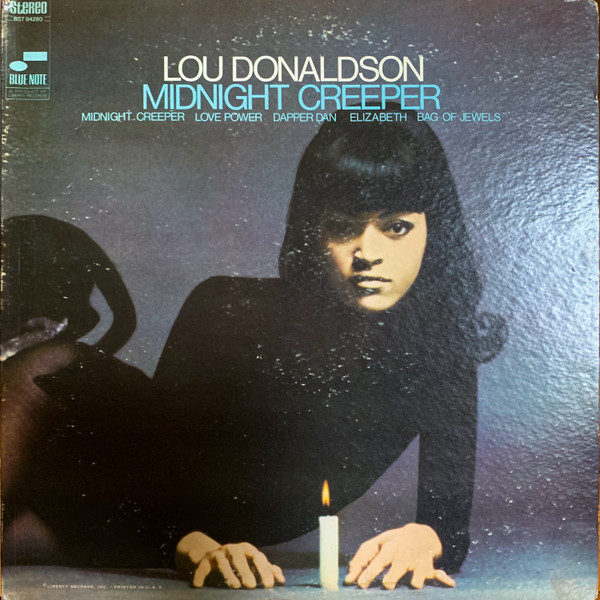
Donaldson’s distinctive tone drew from Johnny Hodges’s influence combined with Parker’s intensity, earning him the nickname “Sweet Poppa Lou.” His early Blue Note albums Quartet/Quintet/Sextet (1957) and Lou Takes Off (1958) established his reputation. Beginning in 1957, his collaboration with organist Jimmy Smith shaped his evolving sound. He integrated Smith’s organ-guitar-drums rhythm template into his own ensembles from the early 1960s onward. Albums like Gravy Train (1962), The Natural Soul (1963), and Here ‘Tis (1961) showcased his blues-drenched alto in accessible contexts. His career accelerated through the 1960s with recordings including Good Gracious! (1964) and Midnight Creeper (1968). In 1967, Alligator Bogaloo, recorded as a jam session with Melvin Lastie on cornet, Lonnie Smith on organ, George Benson on guitar, and Idris Muhammad on drums, became an unexpected hit. Its funky groove helped define 1960s soul-jazz and remains his most recognized recording.
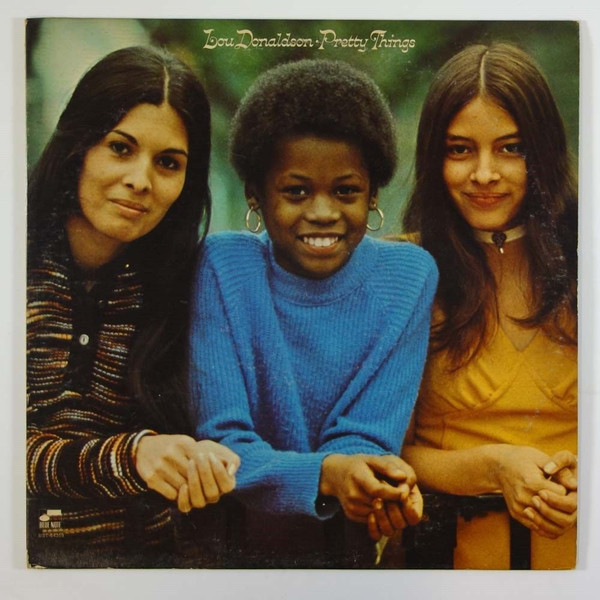
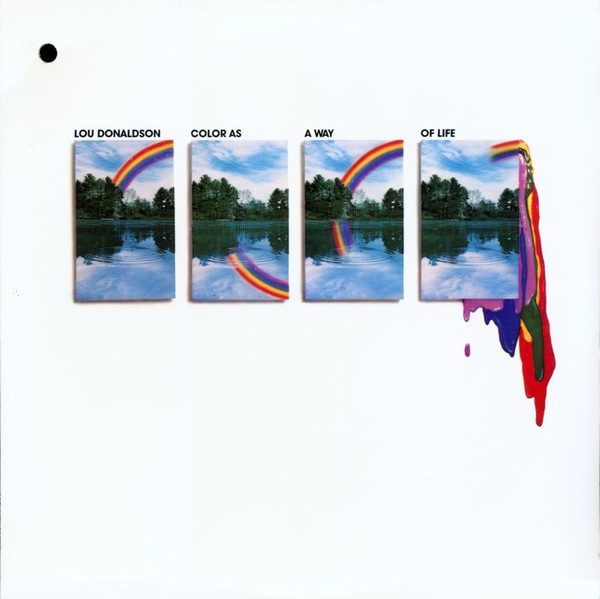
Donaldson recorded prolifically through the 1970s and beyond, releasing albums such as Pretty Things (1971), Sophisticated Lou (1972), and Color as a Way of Life (1977). He worked with organists John Patton, Charles Earland, and Leon Spencer, serving as an incubator for Hammond B3 talent. His music later found new life in hip-hop sampling, with drum breaks and horn lines from his catalogue becoming staples of 1990s and 2000s beat production. Donaldson retired in 2018 after final performances in 2017. He received the NEA Jazz Masters Fellowship in 2013 and induction into the North Carolina Music Hall of Fame in 2012. On October 30, 2024, he was posthumously inducted into the Jazz at Lincoln Center Ertegun Jazz Hall of Fame. Donaldson died on November 9, 2024, at age 98 in Daytona Beach, Florida, from pneumonia.
Timeline
Key Lou Donaldson studio albums by decade, with the labels and styles that define each period.
| Decade | Key albums | Labels | Styles |
|---|---|---|---|
| 1950s |
| Blue Note | Bop, Hard Bop, Soul-Jazz |
| 1960s |
| Blue Note | Soul-Jazz, Hard Bop, Jazz-Funk, Bop |
| 1970s |
| Blue Note | Soul-Jazz, Jazz-Funk |
| 1980s |
| Blue Note, Muse Records | Soul-Jazz, Bop, Hard Bop, Post Bop |
| 1990s |
| Milestone, Columbia, Blue Note | Soul-Jazz, Bop, Bossa Nova, Hard Bop |
| 2000s |
| Chiaroscuro Records | — |
Albums by Style
Top albums grouped by style.
Soul-Jazz
Bop
Jazz-Funk
Similar Artists
Artists with similar styles and catalogs.
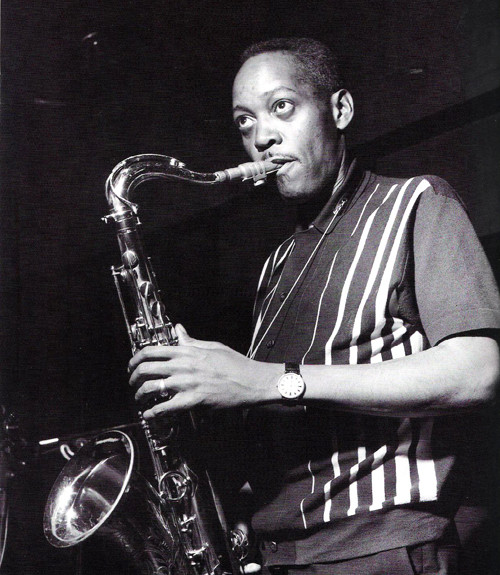
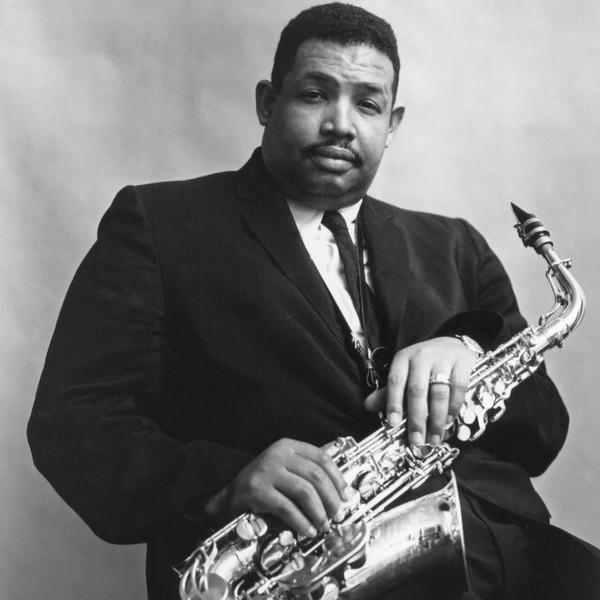
Lou Donaldson Discography
Lou Donaldson studio albums as leader and sideman.
Total: 71 releases
| Artist | Album | Label | Leader/Sideman | Style | Year |
|---|---|---|---|---|---|
| Lou Donaldson | New Faces – New Sounds | Blue Note | Leader | Bop | 1953 |
| Lou Donaldson, Clifford Brown | New Faces – New Sounds | Blue Note | Leader | Bop | 1953 |
| Art Blakey Quintet | A Night At Birdland, Vol. 2 | Blue Note | Sideman | Hard Bop | 1954 |
| Art Blakey Quintet | A Night At Birdland, Vol. 3 | Blue Note | Sideman | Hard Bop | 1954 |
| Art Blakey Quintet | A Night At Birdland, Volume 1 | Blue Note | Sideman | Hard Bop | 1954 |
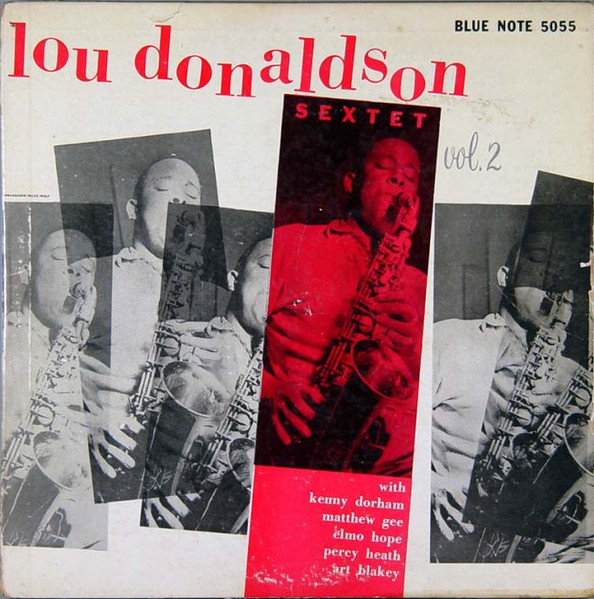
| Lou Donaldson Sextet | Lou Donaldson Sextet Volume 2 | Blue Note | Sideman | Bop | 1954 |
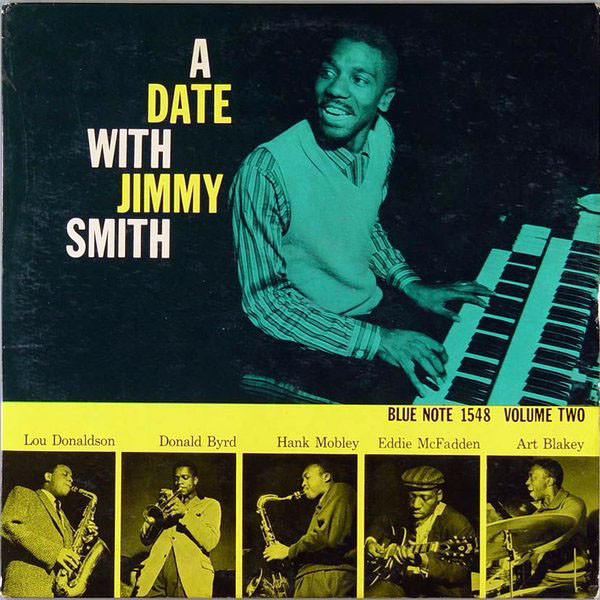
| Jimmy Smith | A Date With Jimmy Smith, Vol. 2 | Blue Note | Sideman | 1957 | |
| Jimmy Smith | Jimmy Smith At The Organ (Volume 2) | Blue Note | Sideman | Hard Bop | 1957 |
| Jimmy Smith | Jimmy Smith At The Organ, Volume 1 | Blue Note | Sideman | Bop | 1957 |
| Lou Donaldson Quintet | Swing And Soul | Blue Note | Sideman | 1957 | |
| Lou Donaldson Quintet | Wailing With Lou | Blue Note | Sideman | 1957 | |
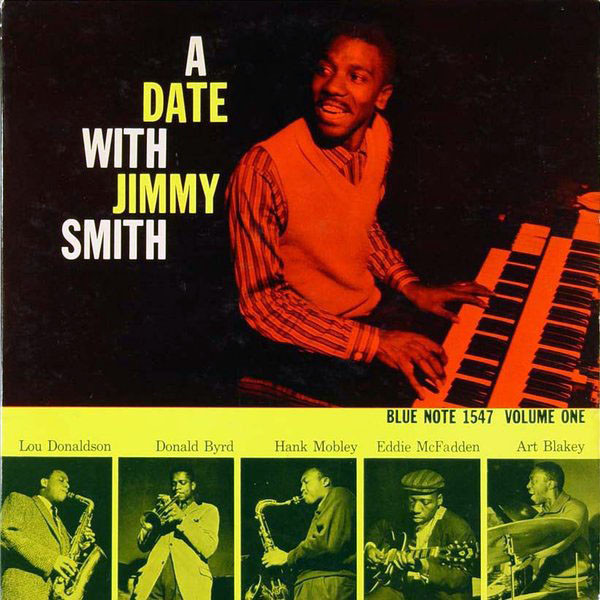
| Jimmy Smith | A Date With Jimmy Smith (Volume One) | Blue Note | Sideman | 1958 | |
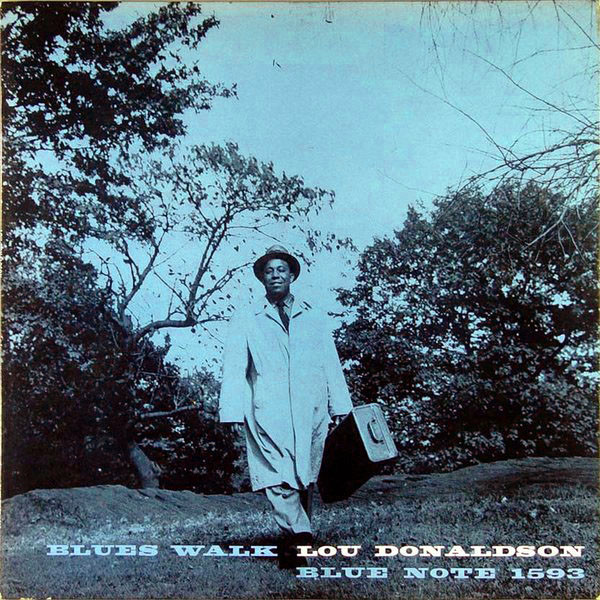
| Lou Donaldson | Blues Walk | Blue Note | Leader | Bop | 1958 |
| Jimmy Smith | House Party | Blue Note | Sideman | Hard Bop | 1958 |
| Lou Donaldson | Lou Takes Off | Blue Note | Leader | Bop | 1958 |
| Lou Donaldson, The Three Sounds | LD+3 | Blue Note | Leader | 1959 | |
| Lou Donaldson | Light-Foot | Blue Note | Leader | Soul-Jazz | 1959 |
| Jimmy Smith | The Sermon! | Blue Note | Sideman | Hard Bop | 1959 |
| Lou Donaldson | The Time Is Right | Blue Note | Leader | Hard Bop | 1960 |
| Lou Donaldson | Here 'Tis | Blue Note | Leader | 1961 |
Lou Donaldson Collaborations
Players they worked with most often, as leader and as sideman.
As Leader
| Musician | Role | Releases |
|---|---|---|
| Blue Mitchell | Trumpet | 10 |
| Herman Foster | Piano | 10 |
| Dave Bailey | Drums | 9 |
| Lonnie Smith | Organ | 8 |
| Grant Green | Guitar | 7 |
| Leo Morris | Drums | 7 |
| Percy Heath | Bass | 6 |
| Bill Hardman | Trumpet | 6 |
| John Patton | Organ | 6 |
| Idris Muhammad | Drums | 6 |
As Sideman
| Musician | Role | Releases |
|---|---|---|
| Art Blakey | Drums | 19 |
| Jimmy Smith | Organ | 13 |
| Clifford Brown | Trumpet | 11 |
| Percy Heath | Bass | 9 |
| Horace Silver | Piano | 8 |
| Eddie McFadden | Guitar | 7 |
| Elmo Hope | Piano | 6 |
| Curly Russell | Bass | 6 |
| Herman Foster | Piano | 6 |
| Kenny Burrell | Guitar | 6 |
Styles & Genres Distribution
Style and genre mix across their releases.
Styles
| Style | Releases | Percentage |
|---|---|---|
| Soul-Jazz | 28 | 39.4% |
| Bop | 17 | 23.9% |
| Hard Bop | 17 | 23.9% |
| Jazz-Funk | 8 | 11.3% |
| Post Bop | 2 | 2.8% |
| Contemporary Jazz | 2 | 2.8% |
| Funk | 1 | 1.4% |
| Soul | 1 | 1.4% |
| Disco | 1 | 1.4% |
| Smooth Jazz | 1 | 1.4% |
Genres
| Genre | Releases | Percentage |
|---|---|---|
| Jazz | 69 | 97.2% |
| Funk / Soul | 5 | 7% |
| Hip Hop | 3 | 4.2% |
| Latin | 1 | 1.4% |
Top Labels
Labels with the most releases in their catalog.
| Label | Releases |
|---|---|
| Blue Note | 45 |
| Argo | 3 |
| Cadet | 3 |
| Cotillion | 2 |
| Muse Records | 2 |
| Milestone | 2 |
| Full House | 1 |
| Timeless | 1 |
| Elektra Musician | 1 |
| L+R Records | 1 |
Key Personnel
Frequent producers, engineers, and studio credits.
| Person | Role | Releases |
|---|---|---|
| Various | Leader | 47 |
| Rudy Van Gelder | Lacquer Cut By | 26 |
| Alfred Lion | Producer | 18 |
| Reid Miles | Design [Cover] | 16 |
| Rudy Van Gelder | Recorded By [Recording By] | 15 |
| Rudy Van Gelder | Recorded By | 13 |
| Francis Wolff | Photography By [Cover Photo] | 9 |
| Jimmy Smith | Leader | 9 |
| Francis Wolff | Producer | 8 |
| Ira Gitler | Liner Notes | 8 |