
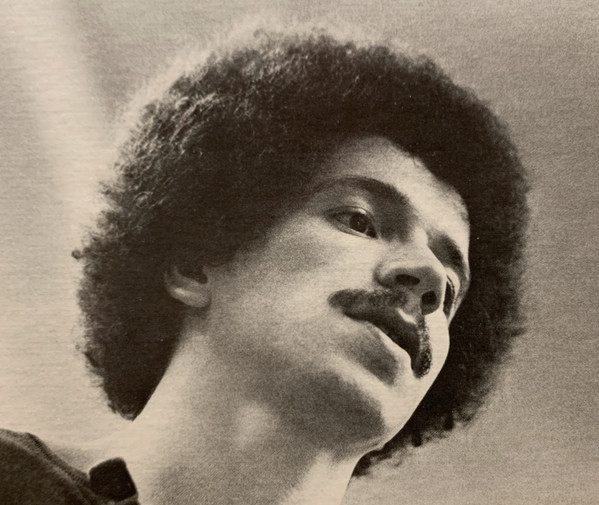
Keith Jarrett
- Born:
- , Allentown, Pennsylvania
- Instrument:
- Piano
- Notable collaborations:
- Charles Lloyd, Miles Davis, Jan Garbarek, Gary Peacock, Jack DeJohnette
- Styles:
- Contemporary Jazz, Post Bop, Free Improvisation, Fusion, Free Jazz, Contemporary, Baroque, Modal, Jazz-Rock, Soul
Best Keith Jarrett Albums
Leader albums ranked by reissues and demand.
Bio
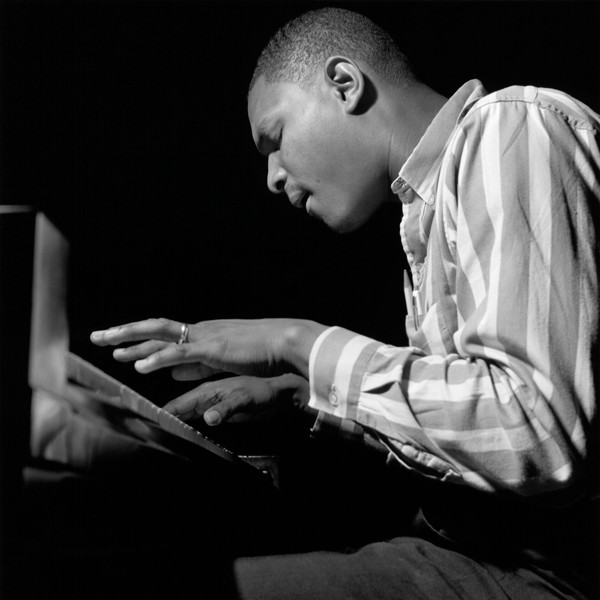
Keith Jarrett was born on May 8, 1945, in Allentown, Pennsylvania, to parents of Slovenian and German descent. He displayed absolute pitch and prodigious musical talent from infancy. Piano lessons began before his third birthday, followed by his first formal recital at age seven. He studied classical piano under Eleanor Sokoloff at the Curtis Institute of Music in Philadelphia. After attending a Dave Brubeck performance at age fifteen, Jarrett’s musical direction shifted decisively toward jazz. He declined a prestigious opportunity to study composition with Nadia Boulanger in Paris. Jarrett graduated from Emmaus High School in 1963, attended Berklee College of Music in Boston for one year, then moved to New York in 1964 to pursue jazz professionally.
In New York, Jarrett participated in Monday jam sessions at the Village Vanguard and briefly joined Art Blakey’s Jazz Messengers. Drummer Jack DeJohnette recommended him to saxophonist Charles Lloyd. In February 1966, Jarrett joined Lloyd’s quartet alongside DeJohnette and bassist Cecil McBee. His ensemble achieved unprecedented commercial success for acoustic jazz: their live album Forest Flower: Live at Monterey (1966) became one of the first jazz recordings to sell over one million copies. Lloyd’s group performed at rock venues like the Fillmore Auditorium alongside Jimi Hendrix and the Grateful Dead. In 1967, they became the first American jazz group to perform in the Soviet Union during the Cold War. By 1969, Jarrett’s reputation as a virtuosic pianist was firmly established.
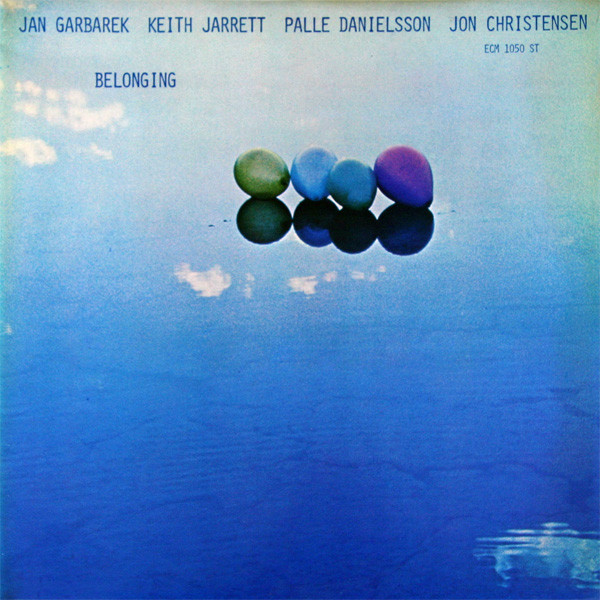
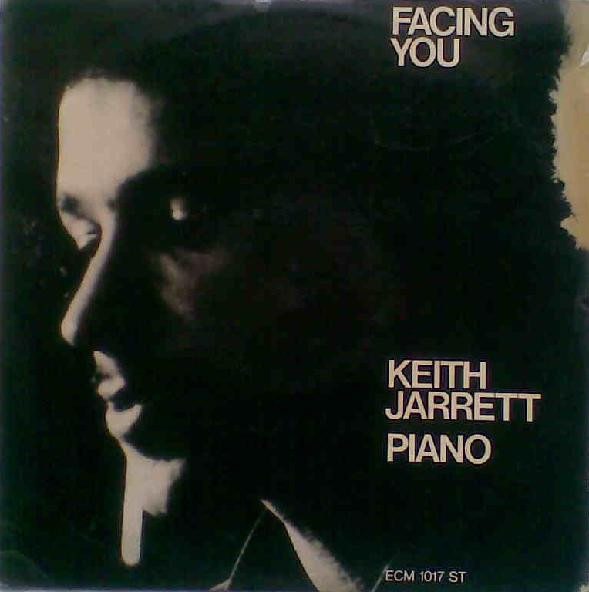
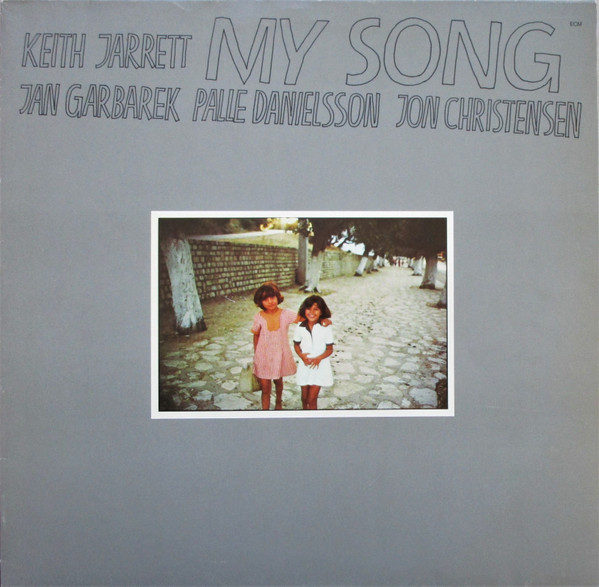
Jarrett left Lloyd’s quartet in 1969. Miles Davis recruited him after hearing him perform in a New York club. From 1970 to 1971, he played electric organ and Rhodes electric piano in Davis’s fusion ensembles, alternating with and later alongside Chick Corea. Jarrett later expressed philosophical opposition to electric instruments, describing them as “toys.” In 1971, ECM Records producer Manfred Eicher proposed a solo album. Facing You (1971) consisted of eight short solo pieces recorded in November 1971. This album proved hugely influential and launched Jarrett’s exclusive partnership with ECM Records. He recorded Birth (1972) and formed his European Quartet with Norwegian saxophonist Jan Garbarek, bassist Palle Danielsson, and drummer Jon Christensen. Their foundational album Belonging (1974) established the ensemble’s collaborative approach.
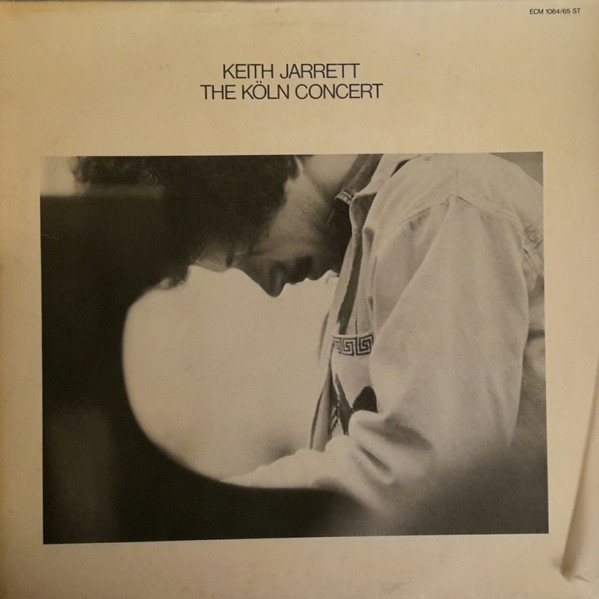
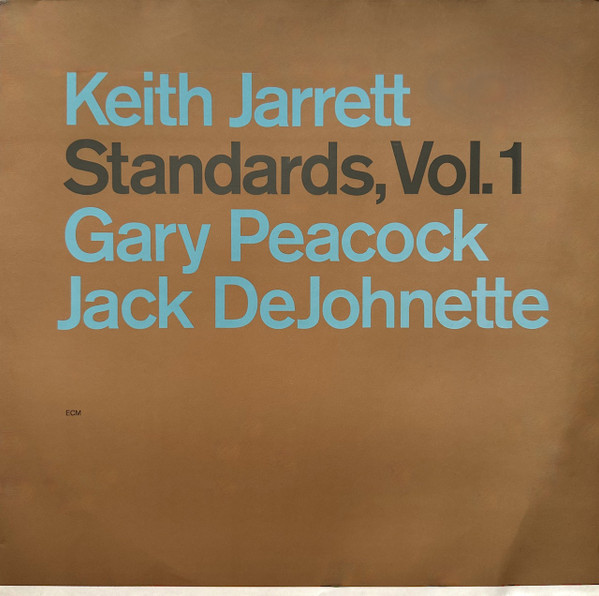
The Köln Concert, recorded live on January 24, 1975, at Cologne Opera House, remains Jarrett’s most iconic work. This double album of entirely improvised solo piano music established wholly spontaneous solo concerts as a commercially viable format. The recording sold over three million copies worldwide. Beginning in 1983, Jarrett formed the Standards Trio with bassist Gary Peacock and drummer Jack DeJohnette. The trio produced numerous ECM releases interpreting the American songbook and remained active until their final concert on November 30, 2014, at the New Jersey Performing Arts Center. Parallel to his jazz career, Jarrett maintained a classical practice, recording masterworks by Bach and Mozart. He composed for chamber ensembles and orchestras throughout his life. In February 2018, Jarrett suffered a severe stroke, followed by a second stroke in May 2018, leaving him partially paralyzed and ending his active career.
Timeline
Key Keith Jarrett studio albums by decade, with the labels and styles that define each period.
| Decade | Key albums | Labels | Styles |
|---|---|---|---|
| 1960s |
| Vortex Records | Free Jazz, Fusion, Jazz-Rock |
| 1970s |
| Atlantic, ECM Records | Post Bop, Contemporary Jazz, Jazz-Rock, Free Jazz |
| 1980s |
| ECM Records | Post Bop, Contemporary Jazz, Fusion, Free Improvisation |
| 1990s |
| RCA Victor Red Seal, ECM Records | Contemporary Jazz, Baroque, Post Bop, Free Improvisation |
| 2000s |
| ECM Records | Contemporary Jazz, Post Bop, Free Improvisation, Free Jazz |
| 2010s |
| ECM Records | Contemporary Jazz, Post Bop |
| 2020s |
| ECM Records | Classical, Post Bop, Free Improvisation |
Albums by Style
Top albums grouped by style.
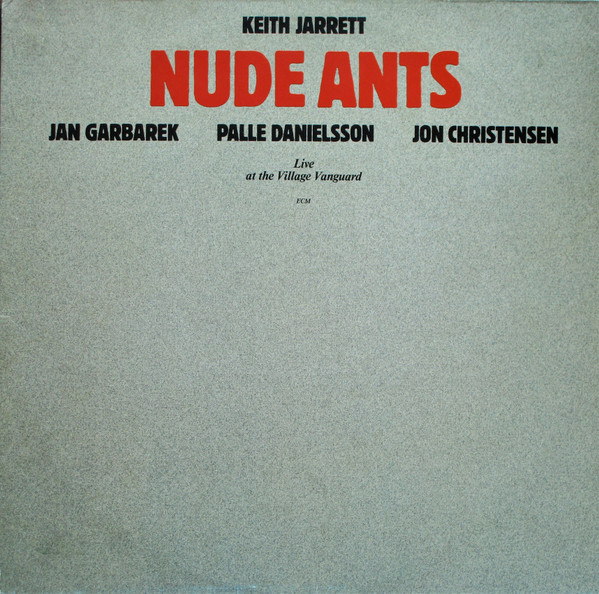
Contemporary Jazz
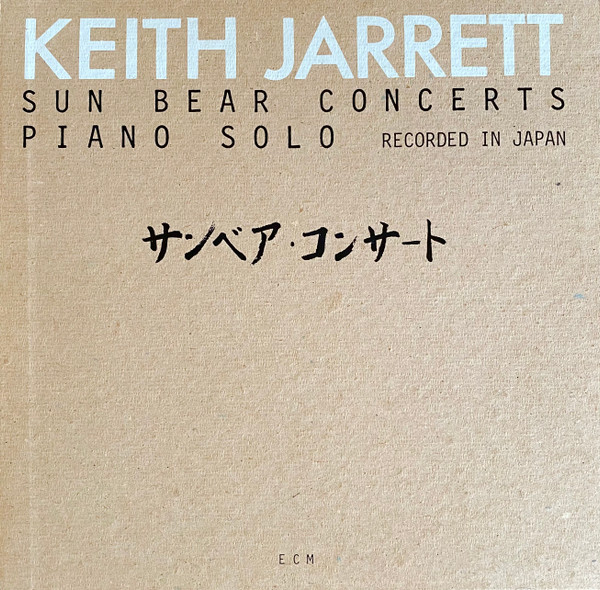
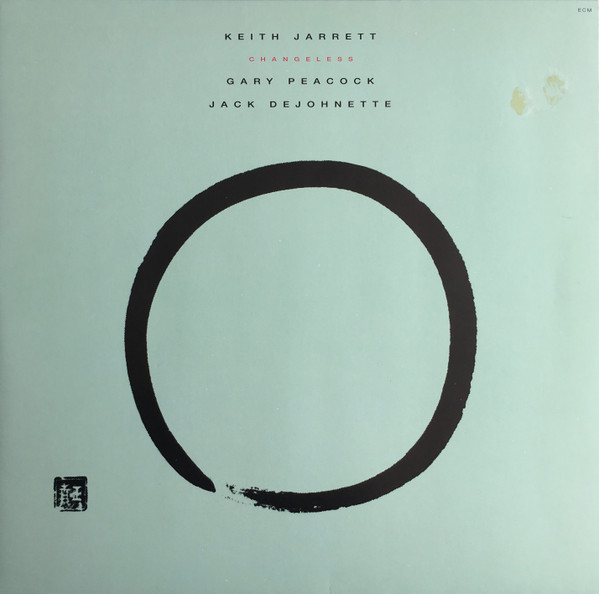
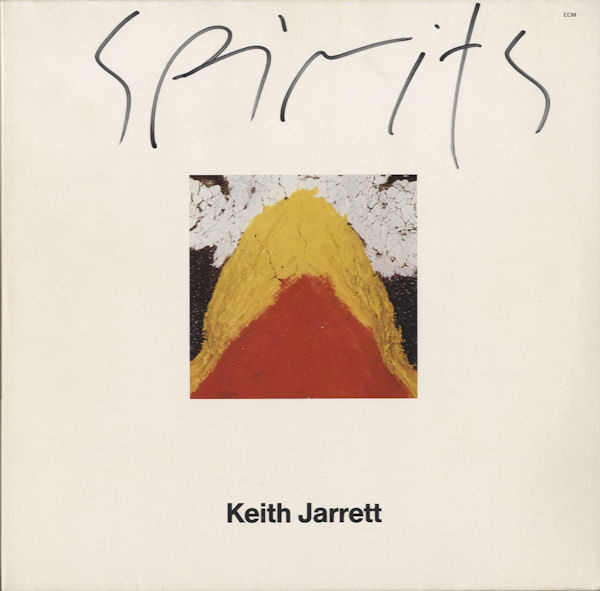
Free Improvisation
Post Bop
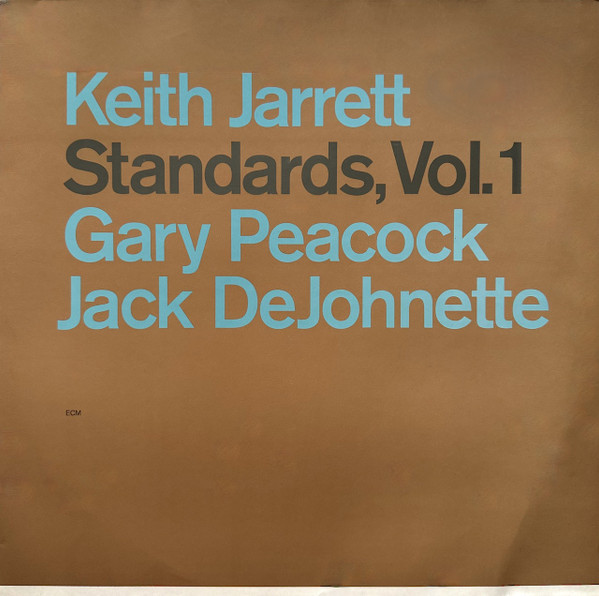
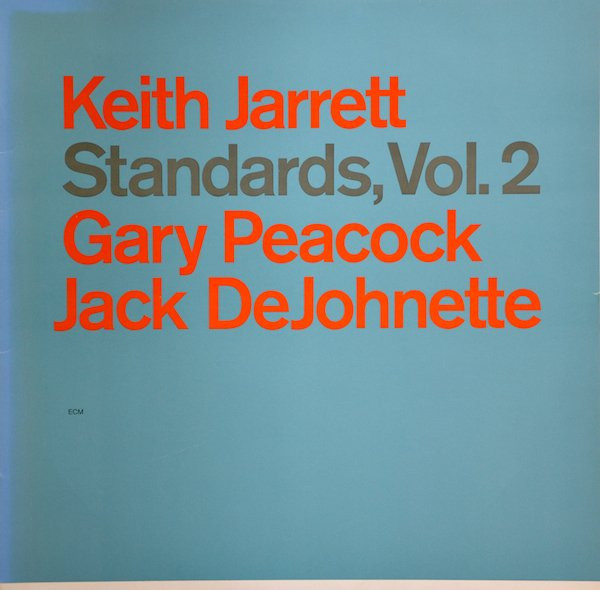
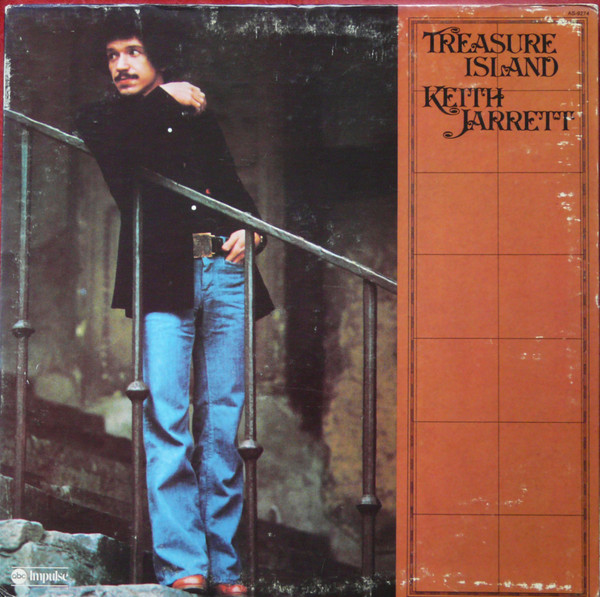
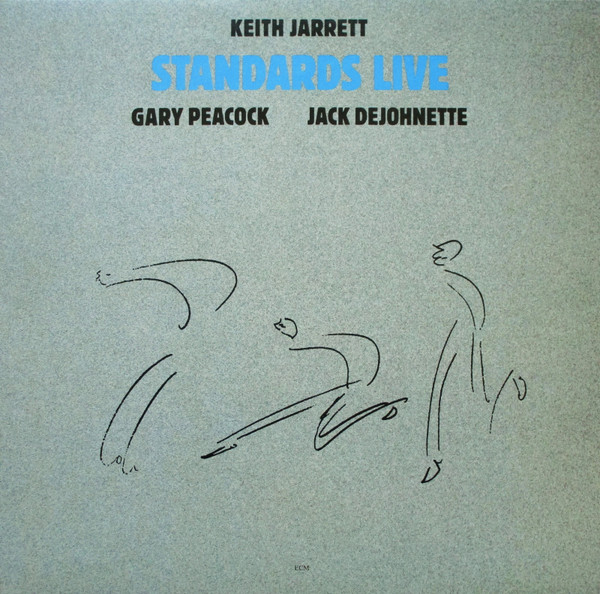
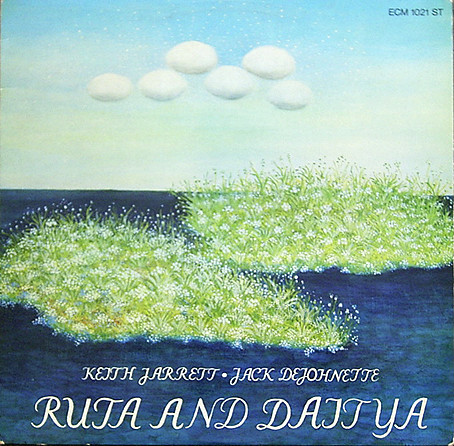
Similar Artists
Artists with similar styles and catalogs.
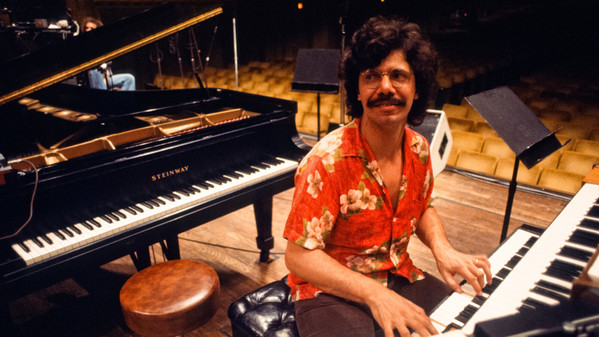
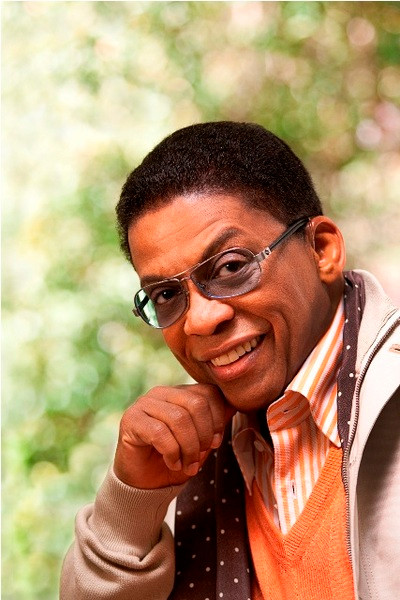
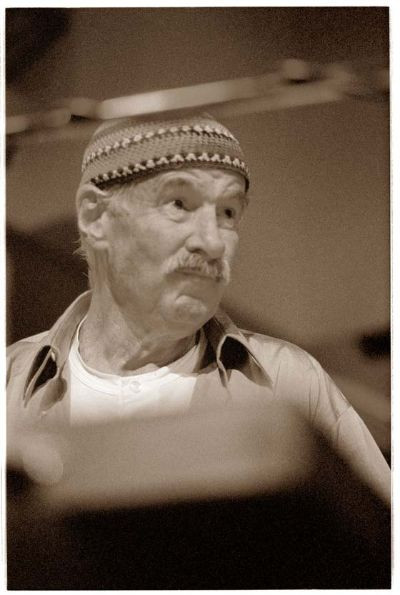
Keith Jarrett Discography
Keith Jarrett studio albums as leader and sideman.
Total: 112 releases
| Artist | Album | Label | Leader/Sideman | Style | Year |
|---|---|---|---|---|---|
| Don Jacoby, The College All-Stars | Swinging Big Sound | Decca | Sideman | Big Band | 1962 |
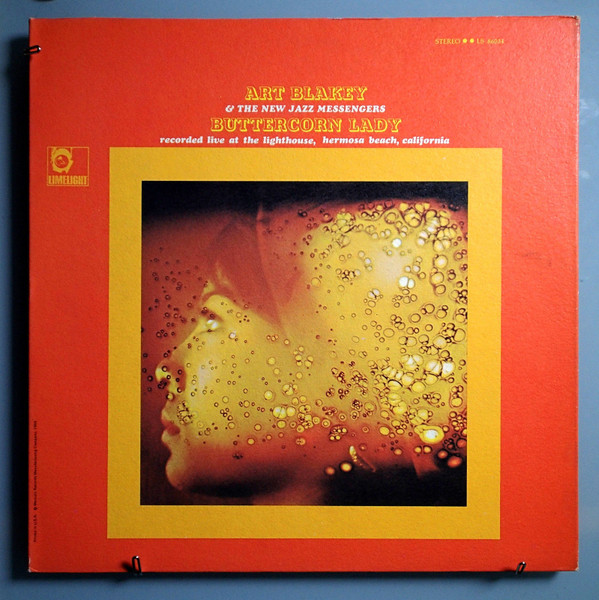
| Art Blakey & The Jazz Messengers | Buttercorn Lady | Limelight | Sideman | Hard Bop | 1966 |
| The Charles Lloyd Quartet | Dream Weaver | Atlantic | Sideman | Post Bop | 1966 |
| Charles Lloyd | Forest Flower | Atlantic | Sideman | 1967 | |
| The Charles Lloyd Quartet | Journey Within | Atlantic | Sideman | Post Bop | 1967 |
| The Charles Lloyd Quartet | Love-In | Atlantic | Sideman | Post Bop | 1967 |
| Charles Lloyd | Charles Lloyd In Europe | Atlantic | Sideman | Post Bop | 1968 |
| Keith Jarrett | Life Between The Exit Signs | Vortex Records | Leader | Free Jazz | 1968 |
| Keith Jarrett | Restoration Ruin | Vortex Records | Leader | Jazz-Rock | 1968 |
| Keith Jarrett Trio | Somewhere Before | Vortex Records | Sideman | Post Bop | 1969 |
| Charles Lloyd | Soundtrack | Atlantic | Sideman | 1969 | |
| Charles Lloyd | In The Soviet Union: Recorded At The Tallinn Jazz Festival | Atlantic | Sideman | Post Bop | 1970 |
| Miles Davis | Miles Davis At Fillmore | Columbia | Sideman | Free Jazz | 1970 |
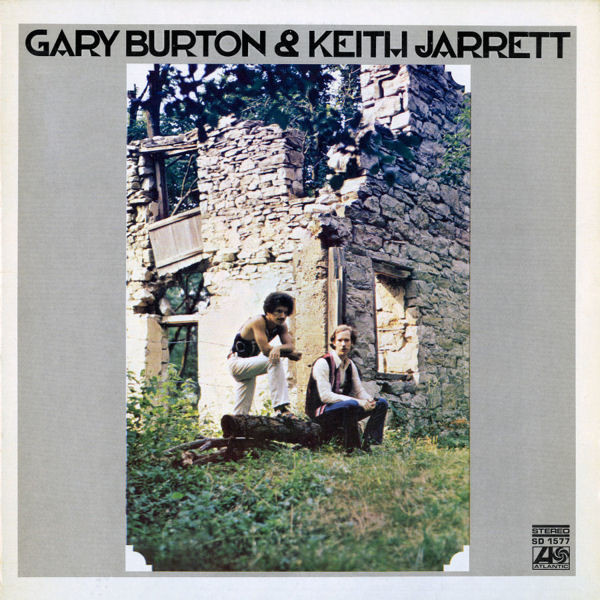
| Gary Burton, Keith Jarrett | Gary Burton & Keith Jarrett | Atlantic | Leader | Post Bop | 1971 |
| Barbara & Ernie | Prelude To... | Cotillion | Sideman | Folk Rock | 1971 |
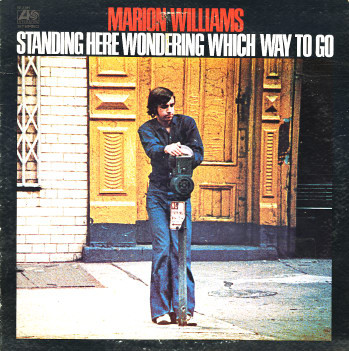
| Marion Williams | Standing Here Wondering Which Way To Go | Atlantic | Sideman | Gospel | 1971 |
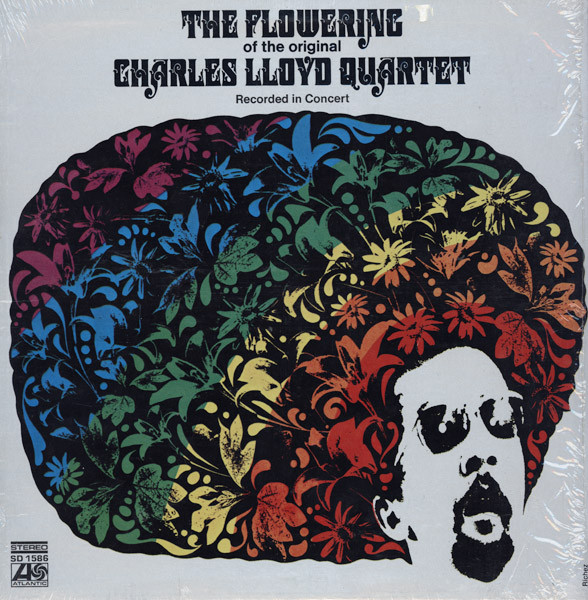
| The Charles Lloyd Quartet | The Flowering | Atlantic | Sideman | Post Bop | 1971 |
| Keith Jarrett | The Mourning Of A Star | Atlantic | Leader | Free Jazz | 1971 |
| Keith Jarrett | Birth | Atlantic | Leader | Fusion | 1972 |
| Donal Leace | Donal Leace | Atlantic | Sideman | Soul | 1972 |
Keith Jarrett Collaborations
Players they worked with most often, as leader and as sideman.
As Leader
| Musician | Role | Releases |
|---|---|---|
| Jack DeJohnette | Drums | 62 |
| Gary Peacock | Bass | 46 |
| Paul Motian | Drums | 26 |
| Charlie Haden | Bass | 20 |
| Paul Motian | Percussion | 14 |
| Dewey Redman | Tenor Saxophone | 14 |
| Gary Peacock | Double Bass | 13 |
| Jon Christensen | Drums | 8 |
| Jan Garbarek | Tenor Saxophone | 8 |
| Jan Garbarek | Soprano Saxophone | 8 |
As Sideman
| Musician | Role | Releases |
|---|---|---|
| Jack DeJohnette | Drums | 39 |
| Miles Davis | Trumpet | 34 |
| Airto Moreira | Percussion | 22 |
| Gary Bartz | Alto Saxophone | 20 |
| Gary Bartz | Soprano Saxophone | 20 |
| James Mtume | Percussion | 15 |
| Don Alias | Percussion | 15 |
| Leon Ndugu Chancler | Drums | 13 |
| Michael Henderson | Electric Bass | 12 |
| Charles Lloyd | Flute | 11 |
Styles & Genres Distribution
Style and genre mix across their releases.
Styles
| Style | Releases | Percentage |
|---|---|---|
| Contemporary Jazz | 39 | 34.8% |
| Post Bop | 29 | 25.9% |
| Free Improvisation | 23 | 20.5% |
| Fusion | 11 | 9.8% |
| Free Jazz | 10 | 8.9% |
| Contemporary | 9 | 8% |
| Baroque | 9 | 8% |
| Modal | 5 | 4.5% |
| Jazz-Rock | 3 | 2.7% |
| Soul | 3 | 2.7% |
Genres
| Genre | Releases | Percentage |
|---|---|---|
| Jazz | 89 | 79.5% |
| Classical | 24 | 21.4% |
| Folk | 4 | 3.6% |
| World | 4 | 3.6% |
| & Country | 4 | 3.6% |
| Funk / Soul | 3 | 2.7% |
| Rock | 2 | 1.8% |
| Blues | 1 | 0.9% |
| Electronic | 1 | 0.9% |
| Latin | 1 | 0.9% |
Top Labels
Labels with the most releases in their catalog.
| Label | Releases |
|---|---|
| ECM Records | 65 |
| Atlantic | 14 |
| ABC Impulse! | 4 |
| Vortex Records | 3 |
| Impulse! | 3 |
| ECM New Series | 3 |
| Columbia | 2 |
| CTI Records | 2 |
| RCA Victor Red Seal | 2 |
| Decca | 1 |
Key Personnel
Frequent producers, engineers, and studio credits.
| Person | Role | Releases |
|---|---|---|
| Manfred Eicher | Producer | 66 |
| Various | Leader | 49 |
| Sascha Kleis | Design | 26 |
| Manfred Eicher | Executive-Producer | 23 |
| Barbara Wojirsch | Design [Cover Design] | 21 |
| Martin Wieland | Engineer | 17 |
| Jan Erik Kongshaug | Engineer | 17 |
| Martin Pearson | Engineer | 16 |
| George Avakian | Producer | 11 |
| Miles Davis | Leader | 11 |