
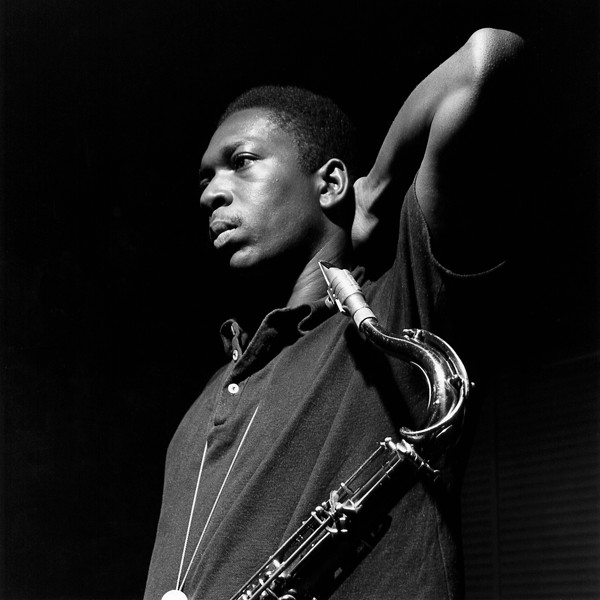
John Coltrane
- Born:
- , Hamlet, North Carolina
- Died:
- , Huntington, Long Island, New York
- Instrument:
- Tenor Saxophone
- Notable collaborations:
- Miles Davis, McCoy Tyner, Elvin Jones, Duke Ellington, Thelonious Monk
- Styles:
- Hard Bop, Modal, Free Jazz, Post Bop, Bop, Avant-garde Jazz, Free Improvisation, Contemporary Jazz, Cool Jazz, Vocal
Best John Coltrane Albums
Leader albums ranked by reissues and demand.
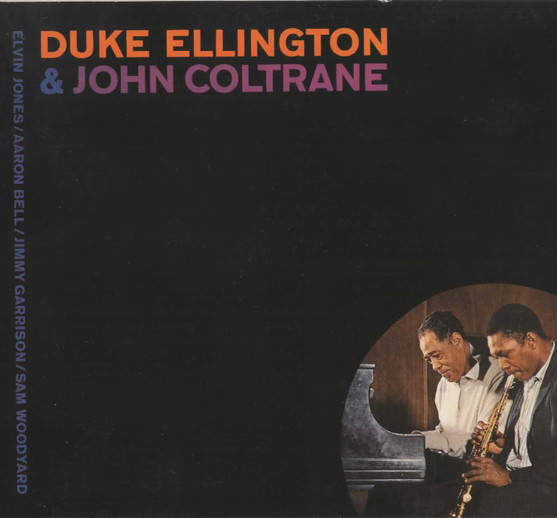
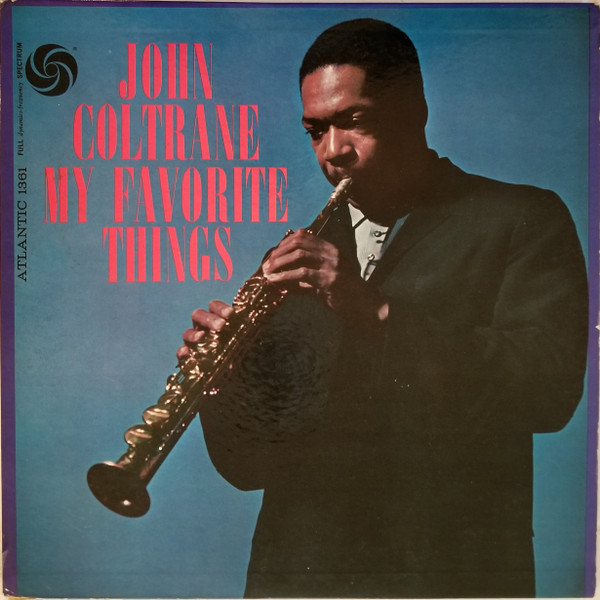
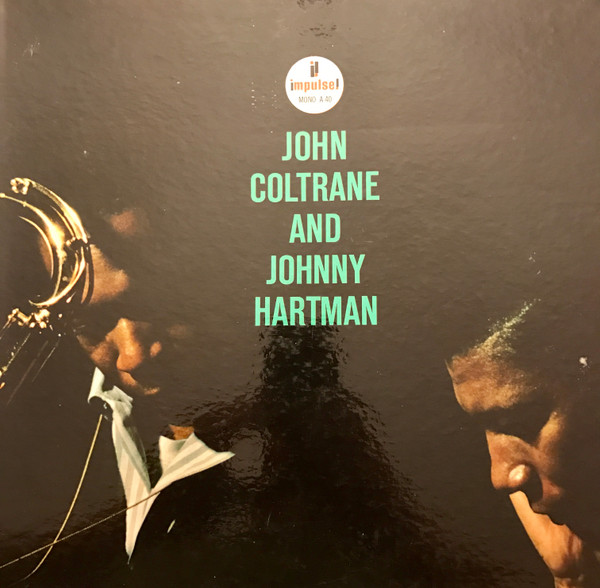
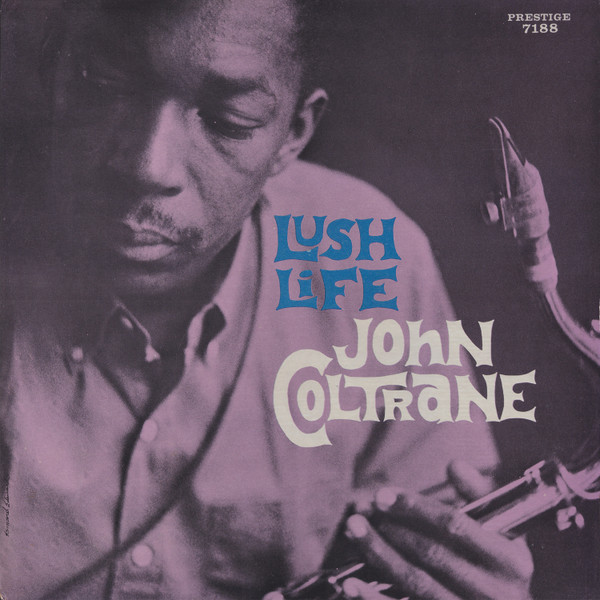
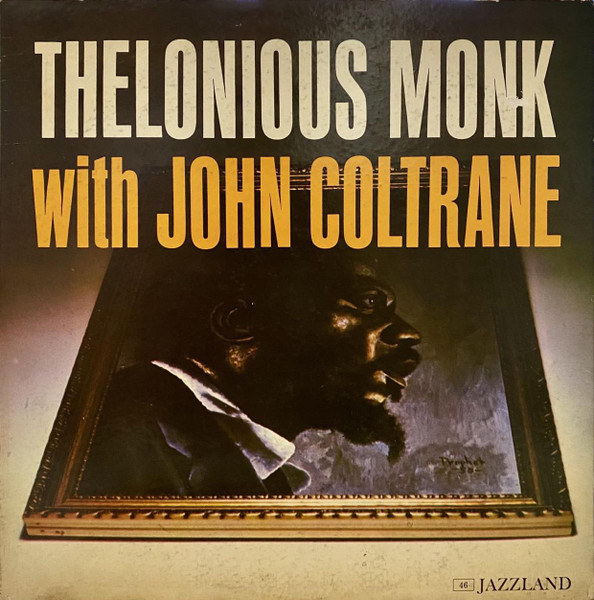
Thelonious Monk With John Coltrane
Thelonious Monk With John Coltrane
1961
Jazzland
Bio
John William Coltrane was born on September 23, 1926, in Hamlet, North Carolina, to John Robert Coltrane, a tailor and part-time musician, and Alice Blair Coltrane. When Coltrane was three months old, his family moved to High Point, North Carolina. He spent his first seventeen years in a deeply spiritual household shaped by his maternal grandfather, Reverend William Wilson Blair, a presiding elder of the AME Zion Church. This religious environment became foundational to his artistic vision. In 1939, Coltrane’s father died of stomach cancer. Within months, his grandfather and aunt also passed away, plunging the twelve-year-old into personal crisis. Music became his refuge during these years. He took up the E-flat alto horn and clarinet in high school at William Penn High School, influenced by tenor saxophonists Lester Young and Johnny Hodges. Coltrane switched to tenor saxophone in 1947 after Navy service in Hawaii from 1945 to 1946. He moved to Philadelphia after graduating in June 1943 and studied at the Ornstein School of Music and Granoff Studio from 1944 to 1945. His professional debut came in 1945 with a local cocktail band.
Coltrane’s early career proceeded through sideman work with Dizzy Gillespie, Earl Bostic, and Johnny Hodges in the late 1940s and early 1950s. His breakthrough came in 1955 when Miles Davis hired him for the First Great Quintet, where he performed alongside pianist Red Garland, bassist Paul Chambers, and drummer Philly Joe Jones until April 1957. During this period, he gained recognition as a rising hard-bop voice. His heroin addiction, common among jazz musicians of the era, led Davis to dismiss him. Coltrane then locked himself in his Philadelphia home in 1957 and underwent cold-turkey withdrawal without medical intervention. In June 1957, during this ordeal, he experienced what he described as a spiritual awakening directed by the grace of God. This transformation would redirect his entire artistic mission toward spiritual expression and redemption.
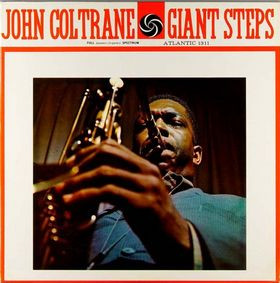
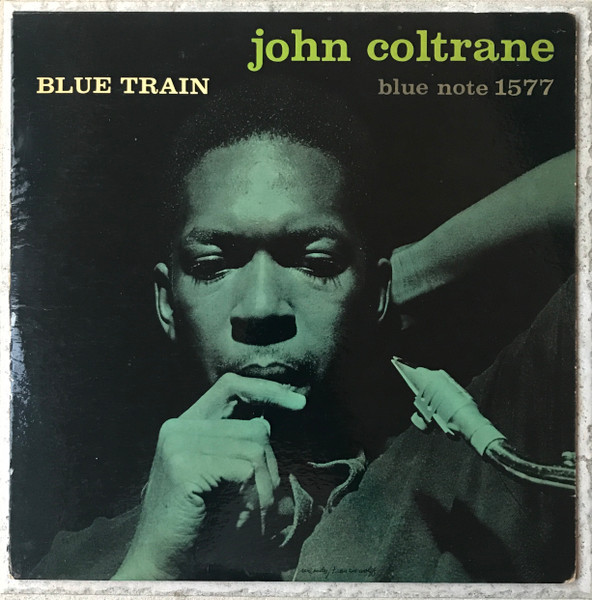
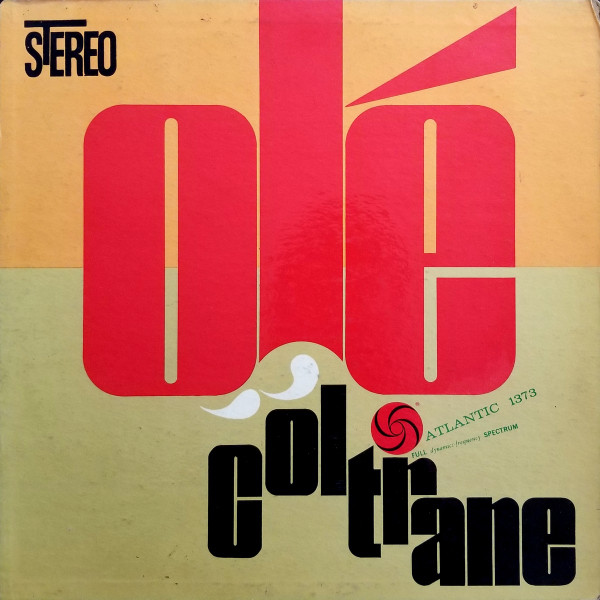
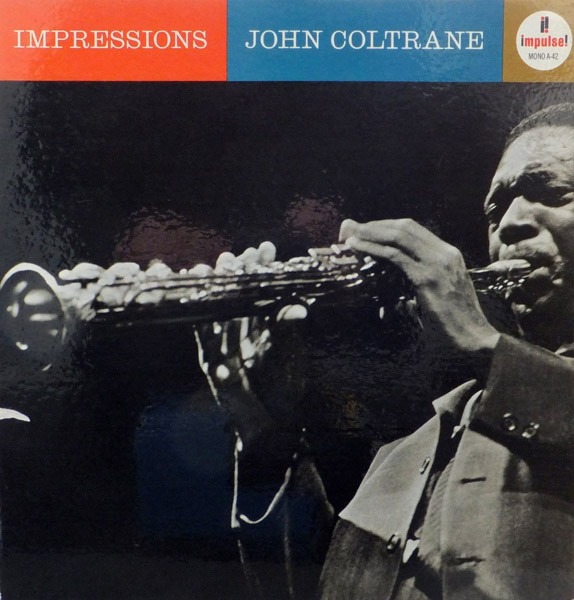
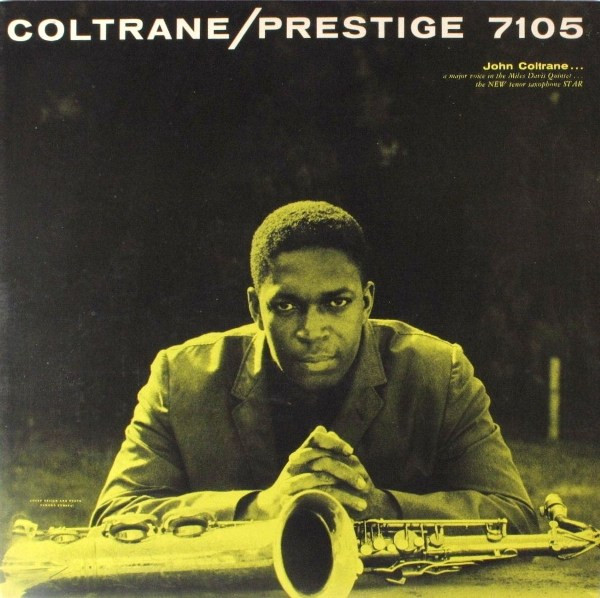
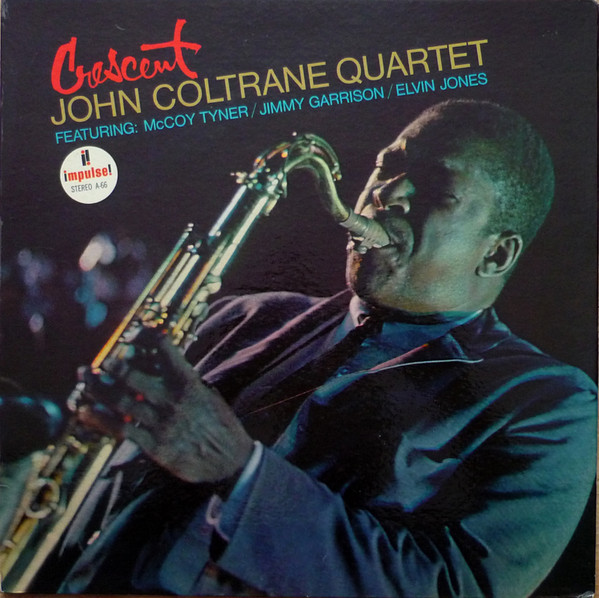
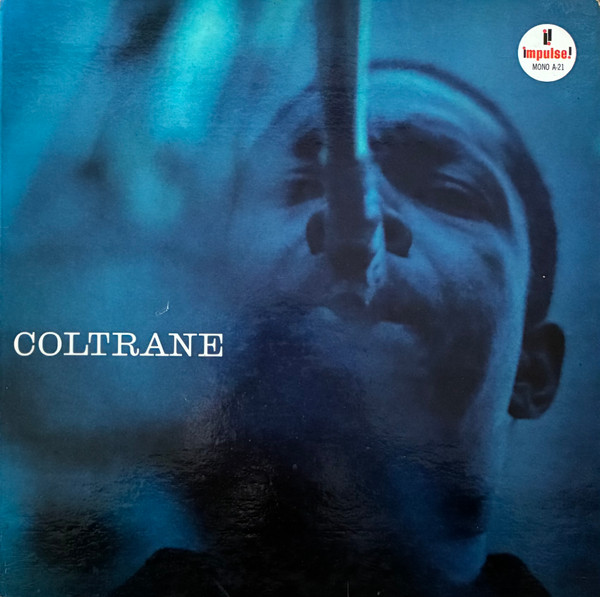
Following his recovery, Coltrane recorded his debut album Coltrane for Prestige Records in October 1957, followed by Blue Train for Blue Note in 1958. His 1959 album Giant Steps, recorded for Atlantic Records, showcased virtuosic mastery through rapid arpeggios over complex chord progressions. Critic Ira Gitler termed this approach sheets of sound. In December 1959, Coltrane appeared on Miles Davis’s Kind of Blue, a modal masterpiece. By 1960, he formed the Classic Quartet with pianist McCoy Tyner, bassist Jimmy Garrison, and drummer Elvin Jones. This ensemble became one of the greatest groups in jazz history. His 1961 soprano saxophone version of Rodgers and Hammerstein’s “My Favorite Things” became an unexpected radio hit. That year also brought Olé Coltrane and a live recording at Birdland.
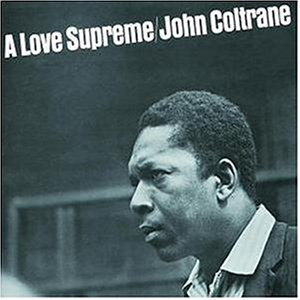
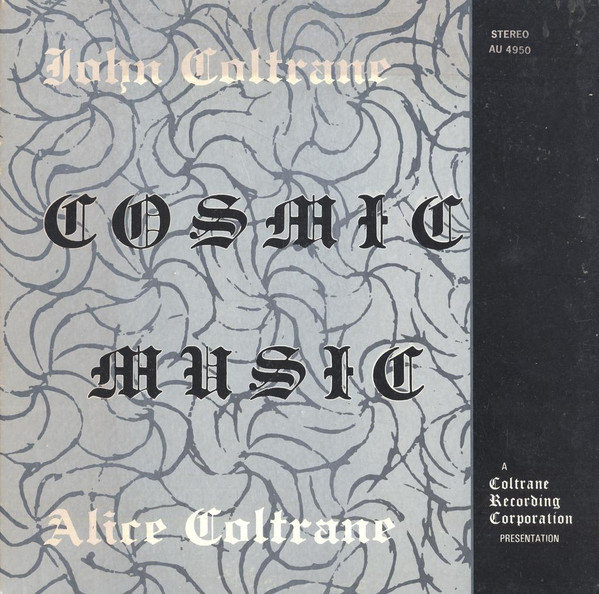
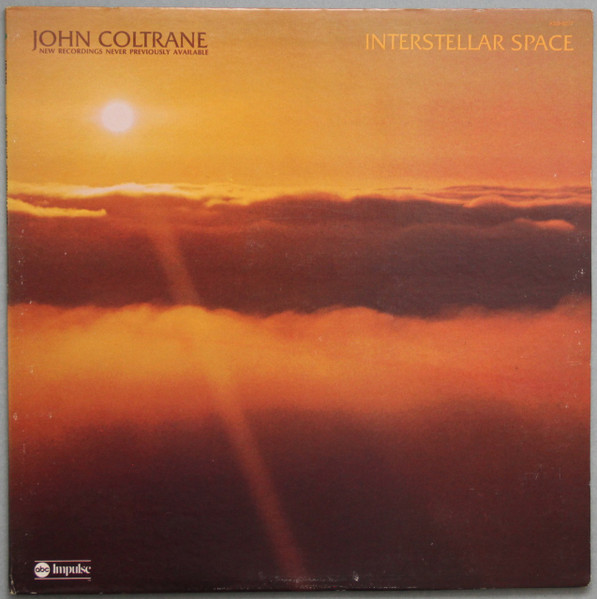
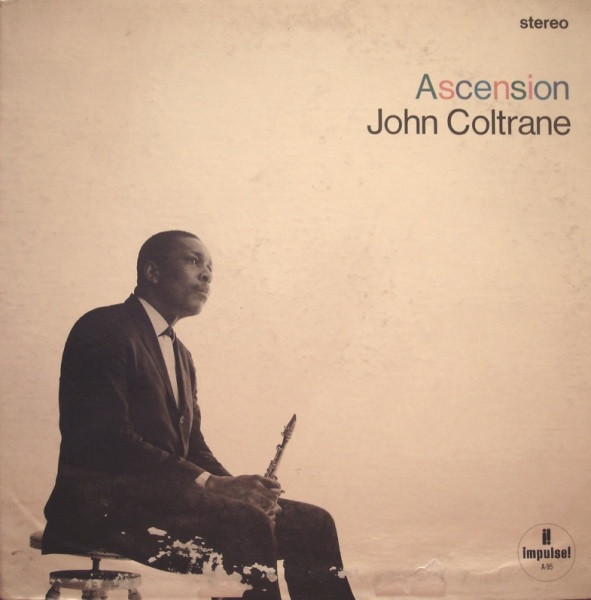
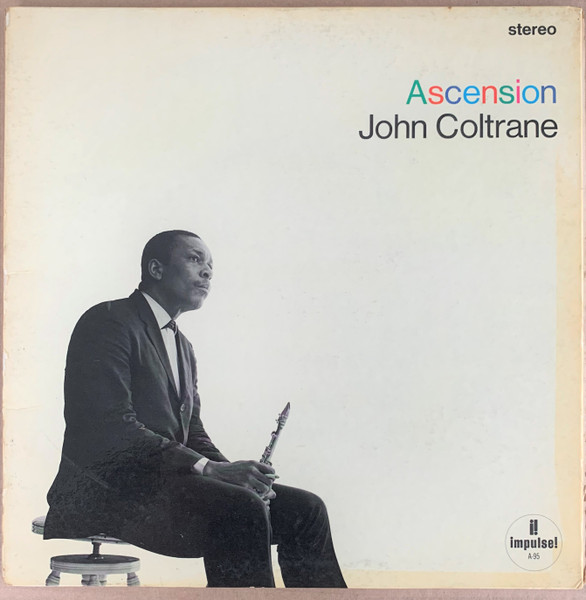
Coltrane married pianist Alice McLeod in 1966 and began exploring free jazz and avant-garde forms with increasing intensity. His masterwork A Love Supreme, recorded on December 9, 1964, at Rudy Van Gelder’s studio and released on Impulse! Records in early 1965, expressed gratitude for his 1957 spiritual transformation. The four-part suite sold over 500,000 copies by 1970 and received two Grammy nominations. In his final years, he performed with saxophonist Pharoah Sanders, drummer Rashied Ali, and his wife Alice on piano. Together they recorded spiritual and cosmic-themed works including Ascension (1966) and Interstellar Space (1967), a duet with Ali. Coltrane died from liver cancer on July 17, 1967, at age 40 in Huntington, Long Island, New York. He received posthumous honors including a Grammy Lifetime Achievement Award in 1997 and a Pulitzer Prize special citation in 2007. His fusion of technical brilliance, spiritual vision, and boundary-pushing improvisation redefined the saxophone’s expressive range and established the model for spiritual jazz that continues to influence musicians today.
Timeline
Key John Coltrane studio albums by decade, with the labels and styles that define each period.
| Decade | Key albums | Labels | Styles |
|---|---|---|---|
| 1950s |
| Prestige, Blue Note, New Jazz | Hard Bop |
| 1960s |
| Atlantic, Impulse! | Hard Bop, Cool Jazz, Modal, Bop |
Albums by Style
Top albums grouped by style.
Hard Bop
Modal
Free Jazz
Similar Artists
Artists with similar styles and catalogs.
John Coltrane Discography
John Coltrane studio albums as leader and sideman.
Total: 132 releases
| Artist | Album | Label | Leader/Sideman | Style | Year |
|---|---|---|---|---|---|
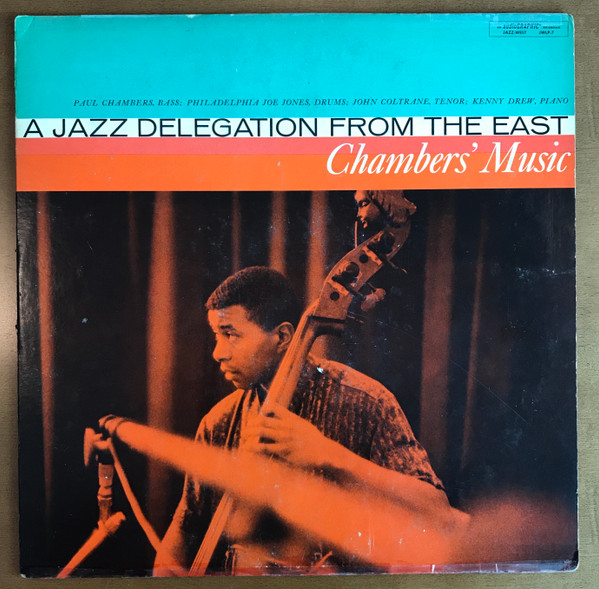
| Paul Chambers | Chambers' Music: A Jazz Delegation From The East | Jazz: West | Sideman | 1956 | |
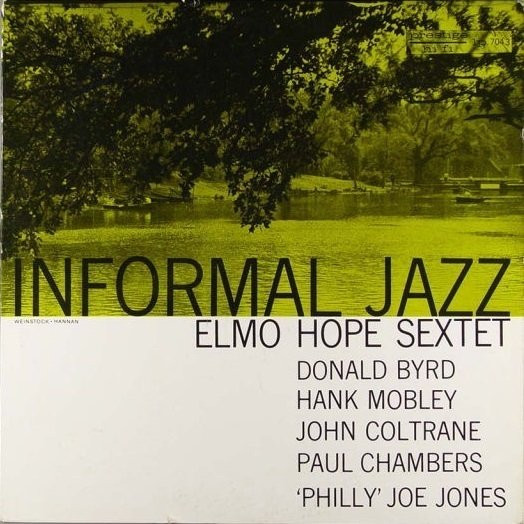
| Elmo Hope Sextet | Informal Jazz | Prestige | Sideman | Hard Bop | 1956 |
| The Miles Davis Quintet | Miles | Prestige | Sideman | Bop | 1956 |
| Sonny Rollins Quartet | Tenor Madness | Prestige | Sideman | Bop | 1956 |
| Miles Davis | 'Round About Midnight | Columbia | Sideman | Hard Bop | 1957 |
| John Coltrane | Coltrane | Prestige | Leader | Hard Bop | 1957 |
| The Miles Davis Quintet | Cookin' With The Miles Davis Quintet | Prestige | Sideman | Hard Bop | 1957 |
| Idrees Sulieman, Webster Young, John Coltrane, Bobby Jaspar, Mal Waldron, Kenny Burrell, Paul Chambers, Art Taylor | Interplay For 2 Trumpets And 2 Tenors | Prestige | Leader | Hard Bop | 1957 |
| Mal Waldron, Jackie McLean, John Coltrane, Idrees Sulieman, Sahib Shihab, Bill Hardman | Mal/2 | Prestige | Leader | Hard Bop | 1957 |
| Tadd Dameron, John Coltrane | Mating Call | Prestige | Leader | Hard Bop | 1957 |
| Thelonious Monk Septet | Monk's Music | Riverside Records | Sideman | Bop | 1957 |
| Dizzy Gillespie, Milt Jackson, Joe Carroll | School Days | Regent | Sideman | Bop | 1957 |
| Art Taylor | Taylor's Wailers | Prestige | Sideman | Hard Bop | 1957 |
| Hank Mobley, Al Cohn, John Coltrane, Zoot Sims | Tenor Conclave | Prestige | Leader | Hard Bop | 1957 |
| Thelonious Monk | Thelonious Himself | Riverside Records | Sideman | Bop | 1957 |
| Paul Chambers Sextet | Whims Of Chambers | Blue Note | Sideman | Hard Bop | 1957 |
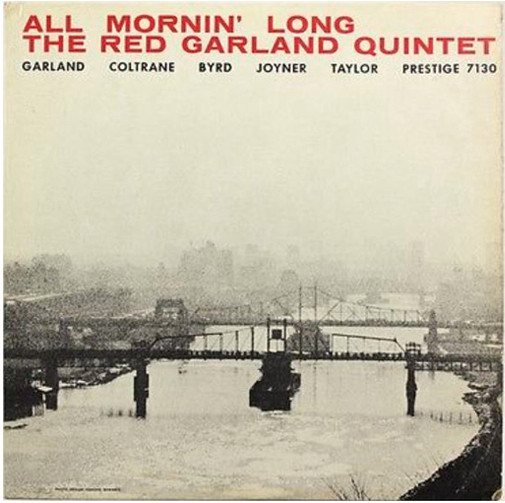
| The Red Garland Quintet | All Mornin' Long | Prestige | Sideman | Hard Bop | 1958 |
| John Coltrane | Blue Train | Blue Note | Leader | Hard Bop | 1958 |
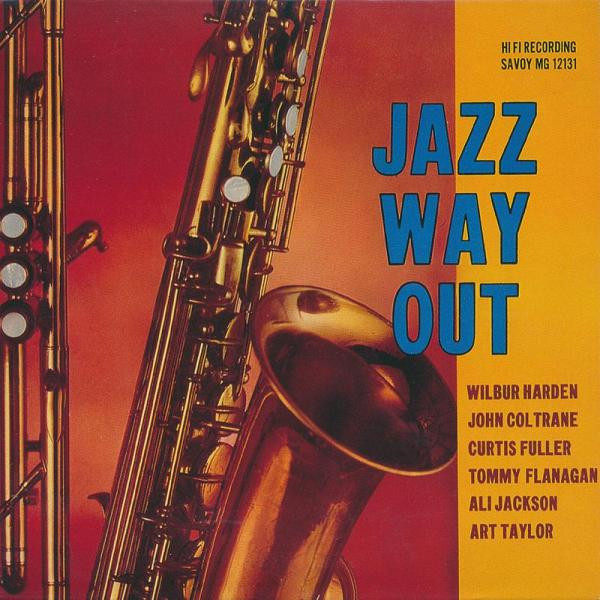
| Wilbur Harden | Jazz Way Out | Savoy Records | Sideman | Hard Bop | 1958 |
| John Coltrane, The Red Garland Trio | John Coltrane With The Red Garland Trio | Prestige | Leader | Hard Bop | 1958 |
John Coltrane Collaborations
Players they worked with most often, as leader and as sideman.
As Leader
| Musician | Role | Releases |
|---|---|---|
| McCoy Tyner | Piano | 104 |
| Elvin Jones | Drums | 99 |
| Jimmy Garrison | Bass | 83 |
| Paul Chambers | Bass | 52 |
| Art Taylor | Drums | 29 |
| Red Garland | Piano | 28 |
| Reggie Workman | Bass | 23 |
| Jimmy Cobb | Drums | 21 |
| Miles Davis | Trumpet | 19 |
| Eric Dolphy | Alto Saxophone | 19 |
As Sideman
| Musician | Role | Releases |
|---|---|---|
| Paul Chambers | Bass | 61 |
| Miles Davis | Trumpet | 56 |
| McCoy Tyner | Piano | 39 |
| "Philly" Joe Jones | Drums | 36 |
| Red Garland | Piano | 35 |
| Billy Hart | Drums | 33 |
| Jimmy Cobb | Drums | 31 |
| Elvin Jones | Drums | 30 |
| David Liebman | Soprano Saxophone | 29 |
| Ron Carter | Bass | 24 |
Styles & Genres Distribution
Style and genre mix across their releases.
Styles
| Style | Releases | Percentage |
|---|---|---|
| Hard Bop | 71 | 53.8% |
| Modal | 28 | 21.2% |
| Free Jazz | 23 | 17.4% |
| Post Bop | 20 | 15.2% |
| Bop | 13 | 9.8% |
| Avant-garde Jazz | 8 | 6.1% |
| Free Improvisation | 7 | 5.3% |
| Contemporary Jazz | 3 | 2.3% |
| Cool Jazz | 2 | 1.5% |
| Vocal | 2 | 1.5% |
Genres
| Genre | Releases | Percentage |
|---|---|---|
| Jazz | 129 | 97.7% |
| Electronic | 3 | 2.3% |
| Rock | 3 | 2.3% |
| Funk / Soul | 2 | 1.5% |
| Stage & Screen | 2 | 1.5% |
| Classical | 1 | 0.8% |
| Latin | 1 | 0.8% |
| Hip Hop | 1 | 0.8% |
| Pop | 1 | 0.8% |
Top Labels
Labels with the most releases in their catalog.
| Label | Releases |
|---|---|
| Prestige | 32 |
| Impulse! | 24 |
| Atlantic | 9 |
| Columbia | 8 |
| Blue Note | 5 |
| Savoy Records | 4 |
| ABC Impulse! | 4 |
| Pablo Live | 4 |
| New Jazz | 3 |
| Riverside Records | 2 |
Key Personnel
Frequent producers, engineers, and studio credits.
| Person | Role | Releases |
|---|---|---|
| Various | Leader | 169 |
| Rudy Van Gelder | Recorded By | 49 |
| Rudy Van Gelder | Engineer | 36 |
| Miles Davis | Leader | 35 |
| Mark Gardner | Liner Notes | 34 |
| Bob Thiele | Producer | 31 |
| Rudy Van Gelder | Lacquer Cut By | 31 |
| George Horn | Mastered By | 29 |
| Ira Gitler | Liner Notes | 26 |
| Greg Calbi | Mastered By | 21 |