
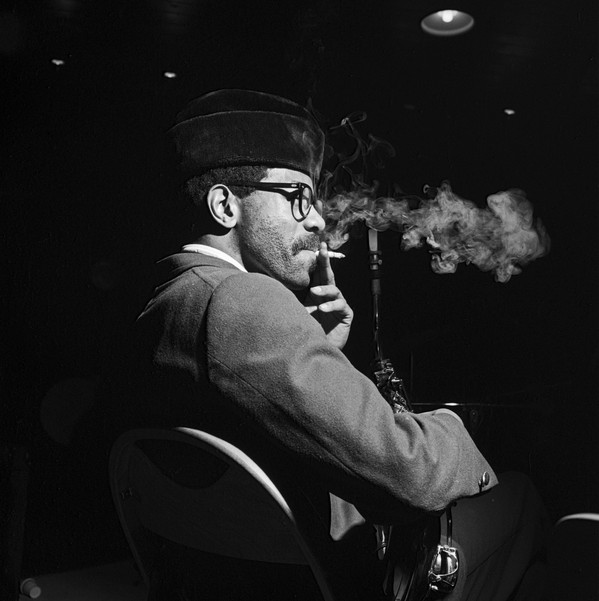
Joe Henderson
- Born:
- , Lima, Ohio
- Died:
- , San Francisco, California
- Instrument:
- Tenor Saxophone
- Notable collaborations:
- Kenny Dorham, McCoy Tyner, Horace Silver, Herbie Hancock, Freddie Hubbard
- Styles:
- Post Bop, Hard Bop, Modal, Fusion, Bop, Contemporary Jazz, Jazz-Funk, Soul-Jazz, Latin Jazz, Avant-garde Jazz
Best Joe Henderson Albums
Leader albums ranked by reissues and demand.

Bio
Joe Henderson was born on April 24, 1937, in Lima, Ohio, one of fifteen children in a musically diverse household. His family exposed him to opera, blues, country, and R&B. He initially aspired to play drums, crafting percussion from his mother’s pie pans. At age nine, school music aptitude tests identified exceptional capability. Teachers gave him a saxophone, and by thirteen he had switched to tenor after briefly playing C melody. Local drummer John Jarette advised Henderson to study Lester Young, Stan Getz, and Charlie Parker. He attended Kentucky State College in 1955, then transferred to Wayne State University in Detroit in 1956. Classmates included future jazz luminaries Yusef Lateef, Barry Harris, and Donald Byrd. Under Larry Teal’s guidance at the Teal School of Music, Henderson transcribed countless Lester Young solos. Professors believed he possessed perfect pitch. He led his first band in Detroit in 1959.
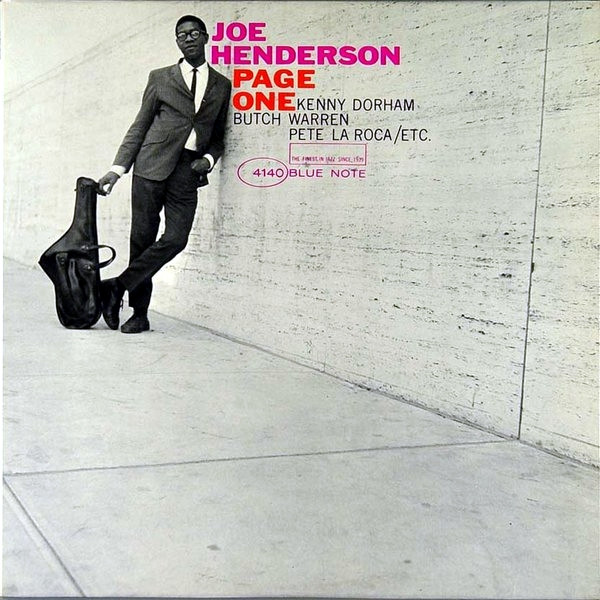
The U.S. Army drafted Henderson in 1960, stationing him at Fort Benning and Fort Belvoir for a world tour entertaining troops. During his 1960–1962 service, he met expatriate musicians Kenny Drew and Kenny Clarke in Paris. After discharge in 1962, Henderson moved to New York at age twenty-five. Trumpeter Kenny Dorham became an essential mentor and introduced him to Blue Note Records. Dorham took Henderson to Birdland to hear Dexter Gordon. Gordon invited him to perform with his rhythm section, catalyzing his New York emergence. Henderson achieved immediate recognition with his Blue Note debut, Page One, recorded June 3, 1963. The session featured Dorham on trumpet, McCoy Tyner on piano, Butch Warren on bass, and Pete La Roca on drums. The album introduced two enduring standards: Dorham’s “Blue Bossa” and Henderson’s “Recorda Me.” From 1963 to 1968, he appeared as sideman on over thirty Blue Note sessions, including Lee Morgan’s The Sidewinder (1964), Grant Green’s Idle Moments (1965), and Andrew Hill’s Point of Departure (1965). In 1964, Henderson joined Horace Silver’s quintet and contributed a memorable solo to “Song for My Father.”
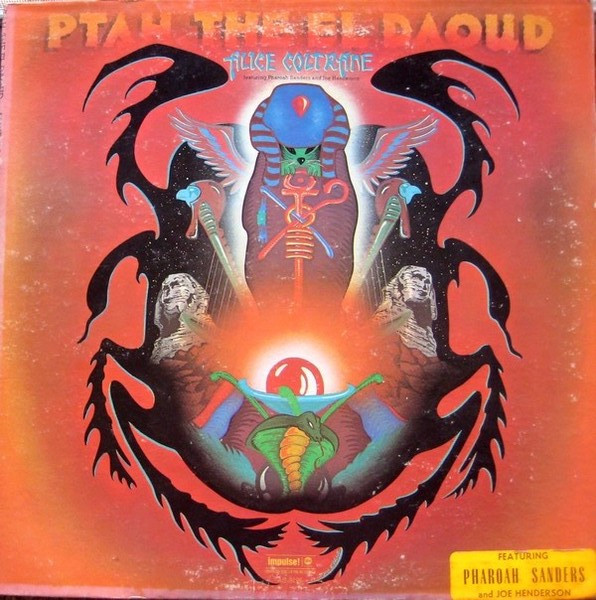
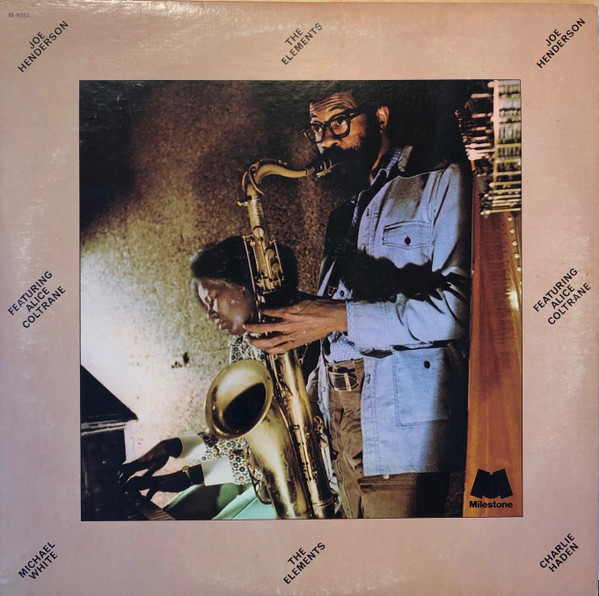
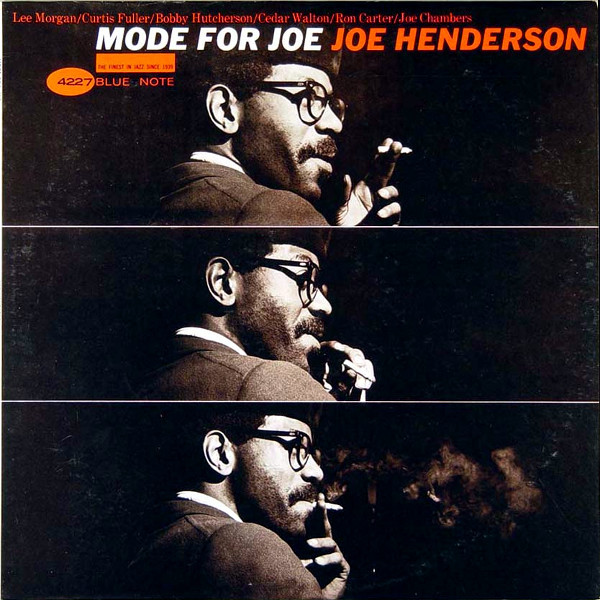
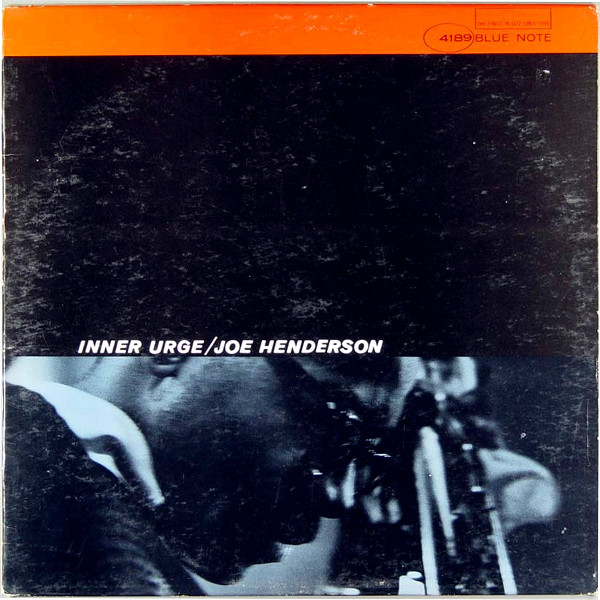
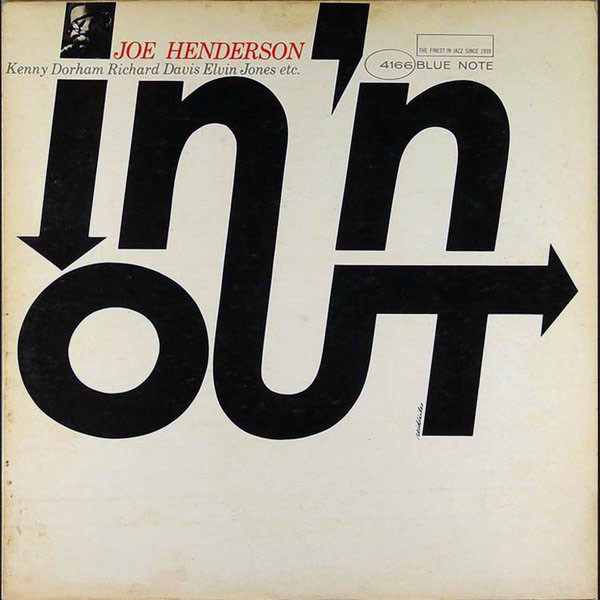
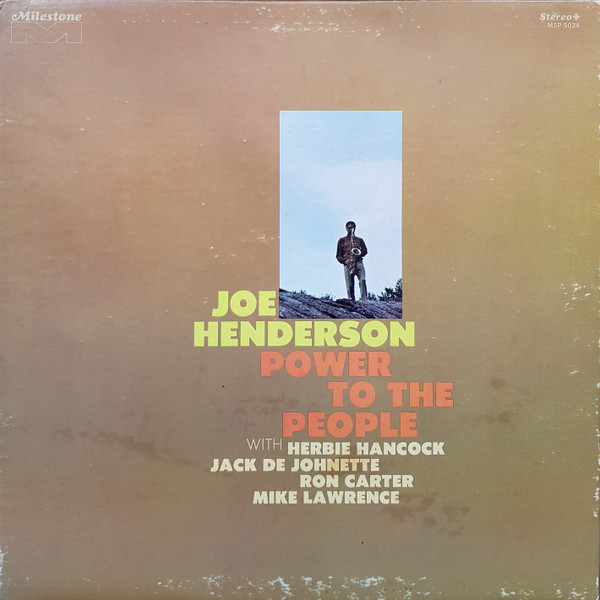
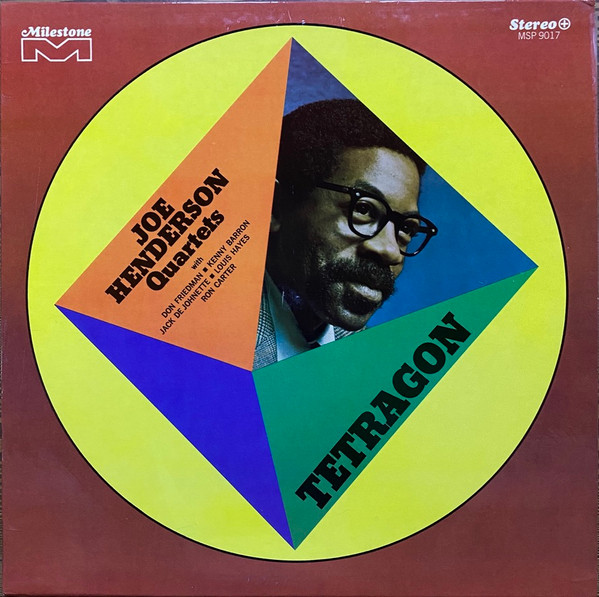
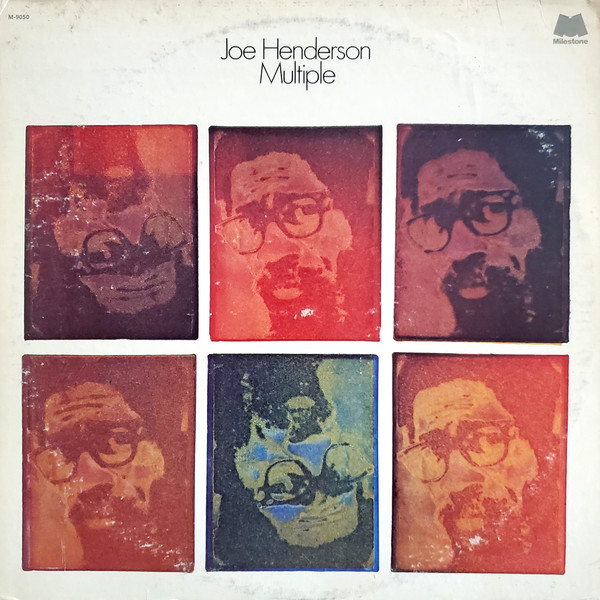
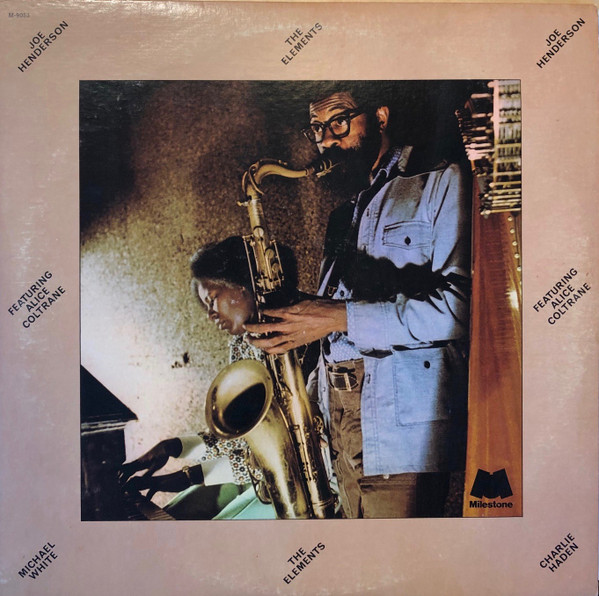
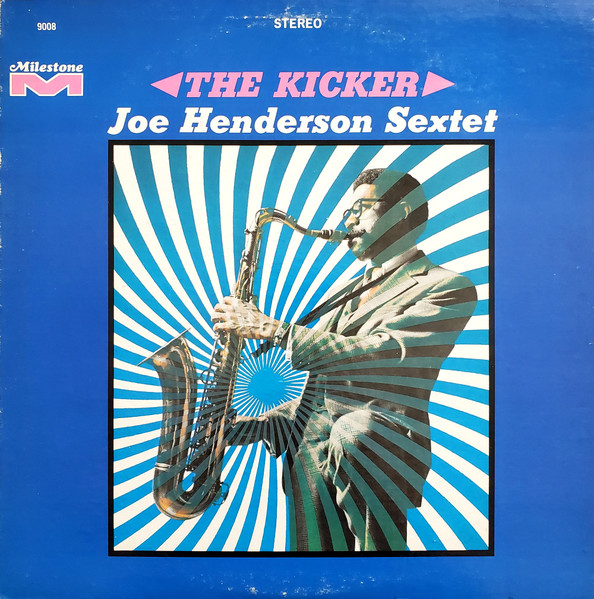
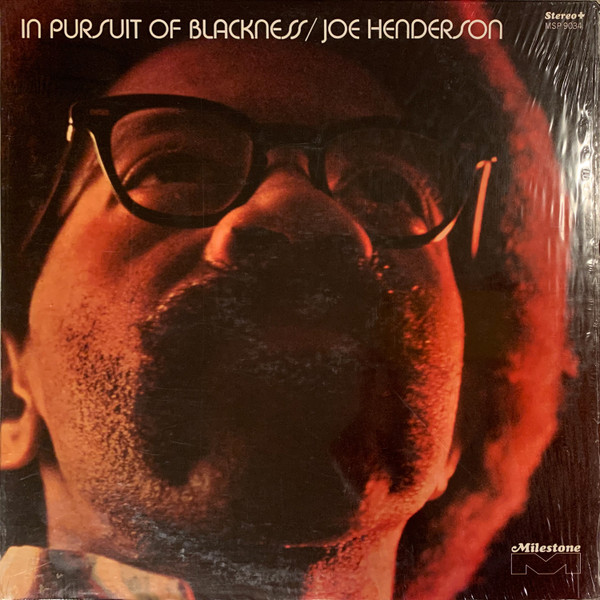
As a leader, Henderson released In ‘N Out (1965) with Tyner and Elvin Jones, Inner Urge (1966) exploring modal harmonies, and Mode for Joe (1966) featuring vibraphone and trombone. His versatile approach integrated bebop, Latin rhythm, R&B, and avant-garde textures seamlessly. This made him the era’s most sought-after tenor saxophonist. Henderson signed with Milestone Records in 1967 and co-led the Jazz Communicators with Freddie Hubbard from 1967 to 1968. He briefly joined Herbie Hancock’s sextet in 1969–1970 and Blood, Sweat & Tears in 1971. Moving to San Francisco in the early 1970s, he taught at the San Francisco Conservatory of Music from 1978 to 1982. He recorded experimental Milestone albums including Power to the People (1969), Multiple (1973), and Canyon Lady (1975). Collaborations with Alice Coltrane on Ptah, The El Daoud (1970) and The Elements (1974) entered spiritual jazz territories.
After a quiet period, The State of the Tenor (1985) rejuvenated critical attention. This live double album was recorded at Village Vanguard with Ron Carter on bass and Al Foster on drums. In 1991, Verve Records signed Henderson and adopted a songbook strategy. Lush Life: The Music of Billy Strayhorn (1992) became a commercial breakthrough, earning him a Grammy for best instrumental jazz solo and Down Beat’s triple crown. Verve followed with tribute albums to Miles Davis (1993) and Antonio Carlos Jobim, plus a big band album in 1996. Henderson recorded with Terence Blanchard on March 17–18, 1998, but suffered a stroke shortly after. This ended his performing career. He died of heart failure caused by emphysema on June 30, 2001, in San Francisco, at age sixty-four. His legacy encompasses over four decades of influential work as both prolific sideman and visionary leader. Henderson fundamentally shaped post-bop and contemporary jazz through distinctive phrasing, harmonic sophistication, and compositional depth. “Recorda Me” and “Inner Urge” remain widely performed jazz standards.
Timeline
Key Joe Henderson studio albums by decade, with the labels and styles that define each period.
| Decade | Key albums | Labels | Styles |
|---|---|---|---|
| 1960s |
| Blue Note, Milestone | Post Bop, Modal, Hard Bop, Fusion |
| 1970s |
| Impulse!, Milestone | Fusion, Modal, Avant-garde Jazz, Spiritual Jazz |
| 1980s |
| MPS Records, Contemporary Records, Elektra, Red Record, Muse Records | Post Bop, Bop, Modal, Contemporary Jazz |
| 1990s |
| Chesky Records, Verve Records | Hard Bop, Contemporary Jazz, Post Bop, Big Band |

Albums by Style
Top albums grouped by style.
Post Bop
Modal
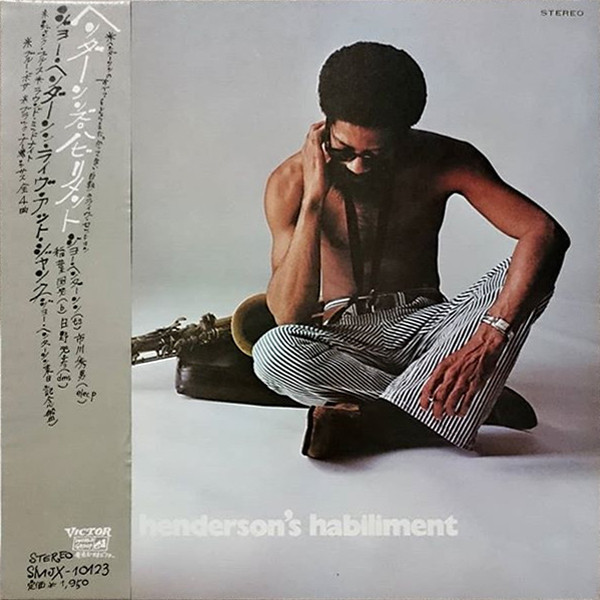
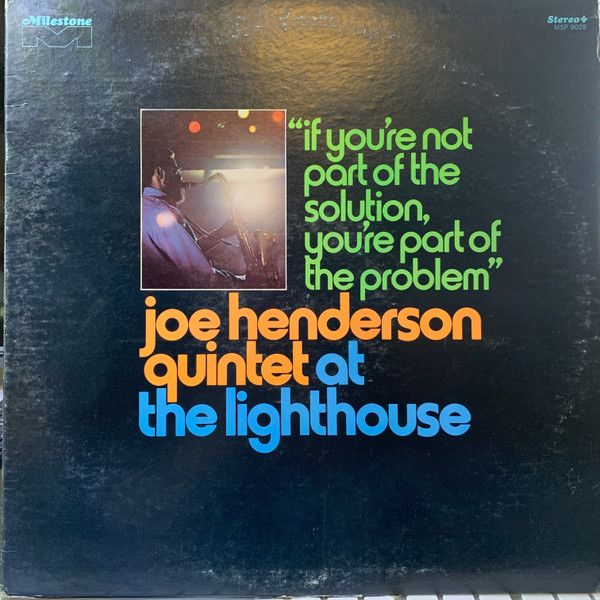
Henderson's Habiliment
Joe Henderson
1971
VICTOR WORLD GROUP
Hard Bop
Similar Artists
Artists with similar styles and catalogs.
Joe Henderson Discography
Joe Henderson studio albums as leader and sideman.
Total: 180 releases
| Artist | Album | Label | Leader/Sideman | Style | Year |
|---|---|---|---|---|---|
| Antonio Diaz Mena | Eso Es Latin Jazz ...Man! | Audio Fidelity | Sideman | Afro-Cuban Jazz | 1963 |
| Johnny Coles | Little Johnny C | Blue Note | Sideman | Hard Bop | 1963 |
| Joe Henderson | Page One | Blue Note | Leader | Hard Bop | 1963 |
| Kenny Dorham | Una Mas (One More Time) | Blue Note | Sideman | Modal | 1963 |
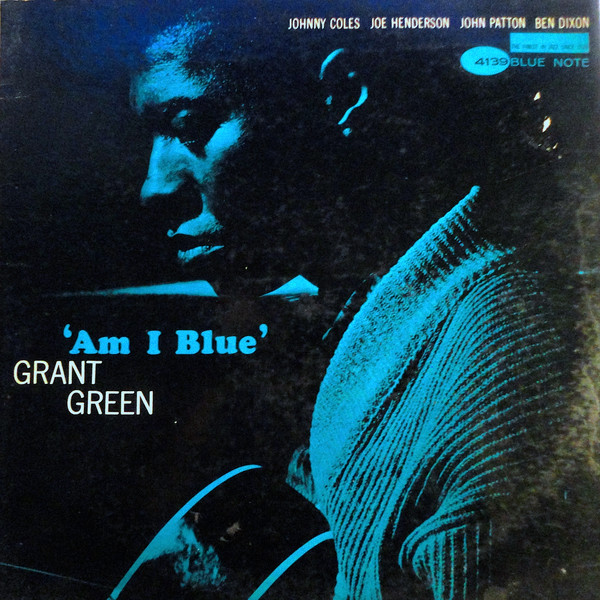
| Grant Green | Am I Blue | Blue Note | Sideman | Soul-Jazz | 1964 |
| Andrew Hill | Black Fire | Blue Note | Sideman | Post Bop | 1964 |
| Freddie Roach | Brown Sugar | Blue Note | Sideman | Soul-Jazz | 1964 |
| Joe Henderson | Our Thing | Blue Note | Leader | Hard Bop | 1964 |
| The Horace Silver Quintet | Song For My Father = Cantiga Para Meu Pai | Blue Note | Sideman | Hard Bop | 1964 |
| Lee Morgan | The Sidewinder | Blue Note | Sideman | Hard Bop | 1964 |
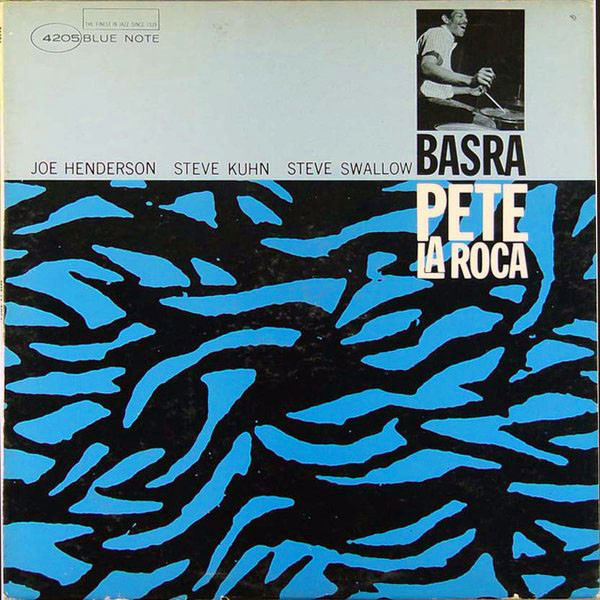
| Pete La Roca | Basra | Blue Note | Sideman | Post Bop | 1965 |
| Grant Green | Idle Moments | Blue Note | Sideman | Hard Bop | 1965 |
| Joe Henderson | In 'N Out | Blue Note | Leader | Post Bop | 1965 |
| Andrew Hill | Point Of Departure | Blue Note | Sideman | Post Bop | 1965 |
| The Horace Silver Quintet, J.J. Johnson | The Cape Verdean Blues | Blue Note | Sideman | Hard Bop | 1965 |
| Lee Morgan | The Rumproller | Blue Note | Sideman | Hard Bop | 1965 |
| Kenny Dorham | Trompeta Toccata | Blue Note | Sideman | Hard Bop | 1965 |
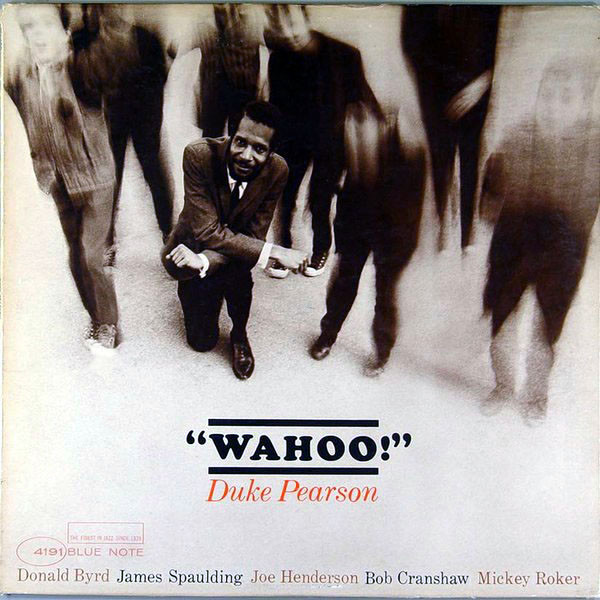
| Duke Pearson | Wahoo | Blue Note | Sideman | Hard Bop | 1965 |
| Joe Henderson | Inner Urge | Blue Note | Leader | Post Bop | 1966 |
| Joe Henderson | Mode For Joe | Blue Note | Leader | Post Bop | 1966 |
Joe Henderson Collaborations
Players they worked with most often, as leader and as sideman.
As Leader
| Musician | Role | Releases |
|---|---|---|
| Al Foster | Drums | 16 |
| Chick Corea | Piano | 10 |
| Jack DeJohnette | Drums | 9 |
| Ron Carter | Bass | 8 |
| McCoy Tyner | Piano | 7 |
| Dave Holland | Bass | 6 |
| Lenny White | Drums | 6 |
| Freddie Hubbard | Trumpet | 5 |
| George Mraz | Bass | 5 |
| Kenny Dorham | Trumpet | 4 |
As Sideman
| Musician | Role | Releases |
|---|---|---|
| Ron Carter | Bass | 18 |
| Freddie Hubbard | Trumpet | 17 |
| Billy Higgins | Drums | 16 |
| Woody Shaw | Trumpet | 15 |
| Bob Cranshaw | Bass | 13 |
| Lewis Nash | Drums | 13 |
| Herbie Hancock | Piano | 11 |
| Richard Davis | Bass | 11 |
| Chick Corea | Piano | 10 |
| Roger Humphries | Drums | 8 |
Styles & Genres Distribution
Style and genre mix across their releases.
Styles
| Style | Releases | Percentage |
|---|---|---|
| Post Bop | 58 | 32.2% |
| Hard Bop | 43 | 23.9% |
| Modal | 24 | 13.3% |
| Fusion | 22 | 12.2% |
| Bop | 20 | 11.1% |
| Contemporary Jazz | 17 | 9.4% |
| Jazz-Funk | 14 | 7.8% |
| Soul-Jazz | 11 | 6.1% |
| Latin Jazz | 9 | 5% |
| Avant-garde Jazz | 6 | 3.3% |
Genres
| Genre | Releases | Percentage |
|---|---|---|
| Jazz | 174 | 96.7% |
| Funk / Soul | 17 | 9.4% |
| Latin | 6 | 3.3% |
| Pop | 5 | 2.8% |
| Rock | 4 | 2.2% |
| Blues | 3 | 1.7% |
| Folk | 2 | 1.1% |
| World | 2 | 1.1% |
| & Country | 2 | 1.1% |
| Stage & Screen | 2 | 1.1% |
Top Labels
Labels with the most releases in their catalog.
| Label | Releases |
|---|---|
| Blue Note | 33 |
| Milestone | 18 |
| Verve Records | 12 |
| Fantasy | 6 |
| Atlantic | 5 |
| Columbia | 5 |
| Muse Records | 5 |
| Warner Bros. Records | 4 |
| CTI Records | 4 |
| Galaxy | 4 |
Key Personnel
Frequent producers, engineers, and studio credits.
| Person | Role | Releases |
|---|---|---|
| Various | Leader | 66 |
| Alfred Lion | Producer | 24 |
| Reid Miles | Design [Cover] | 20 |
| Phil Carroll | Art Direction | 20 |
| Rudy Van Gelder | Recorded By [Recording By] | 20 |
| Francis Wolff | Photography By [Cover Photo] | 19 |
| Orrin Keepnews | Producer | 18 |
| Rudy Van Gelder | Lacquer Cut By | 17 |
| George Horn | Mastered By | 17 |
| Leonard Feather | Liner Notes | 15 |