
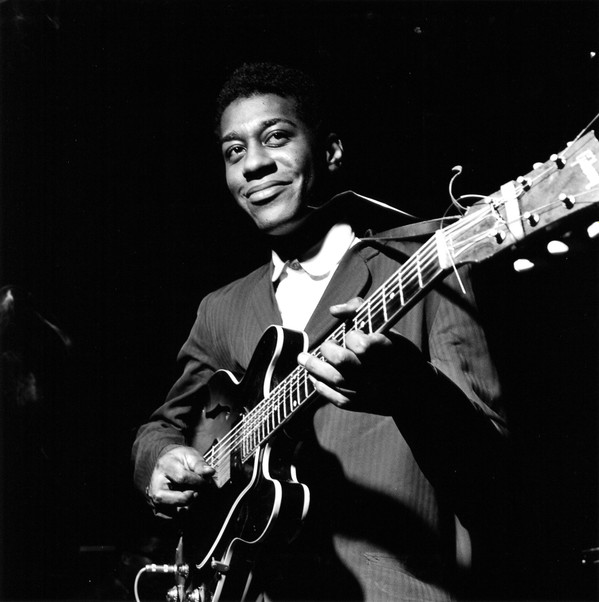
Grant Green
- Born:
- , St. Louis, Missouri, USA
- Died:
- , New York City, New York, USA
- Instrument:
- Guitar
- Notable collaborations:
- Lou Donaldson, Joe Henderson, Elvin Jones, McCoy Tyner, Bobby Hutcherson
- Styles:
- Soul-Jazz, Hard Bop, Jazz-Funk, Post Bop, Bop, Modal, Cool Jazz, Latin Jazz, Big Band, Gospel
Best Grant Green Albums
Leader albums ranked by reissues and demand.
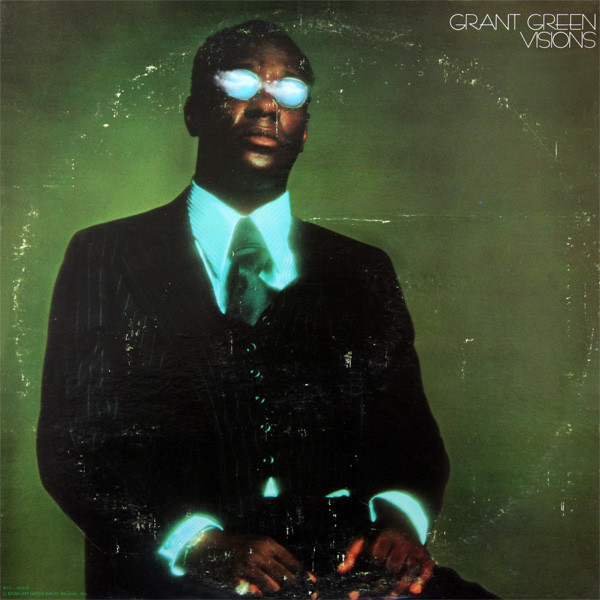
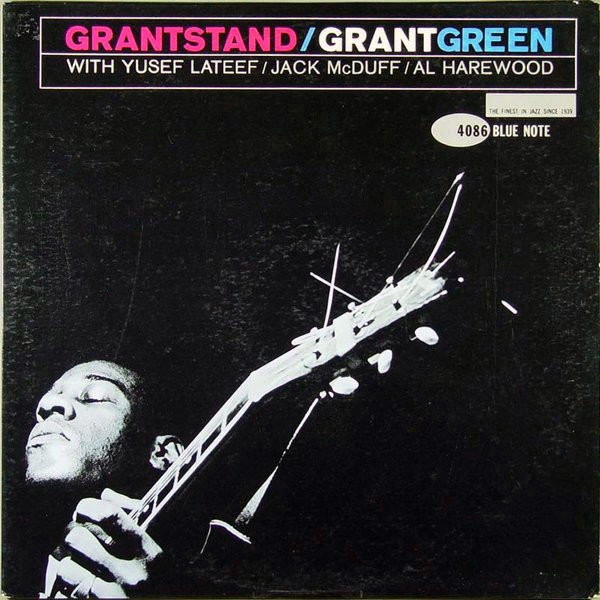
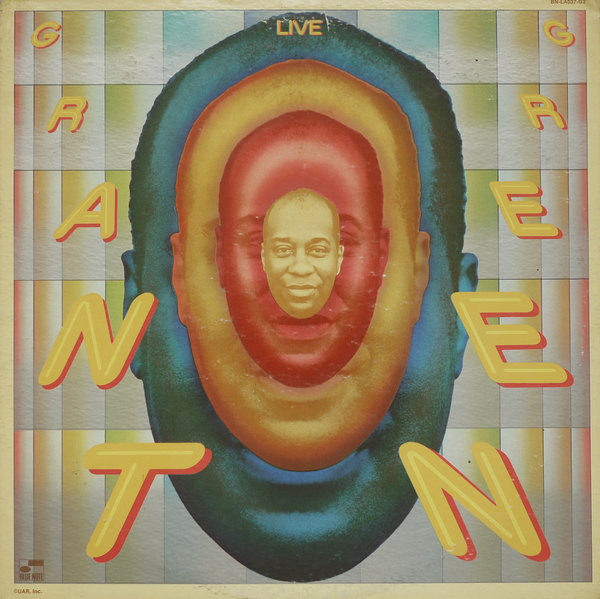
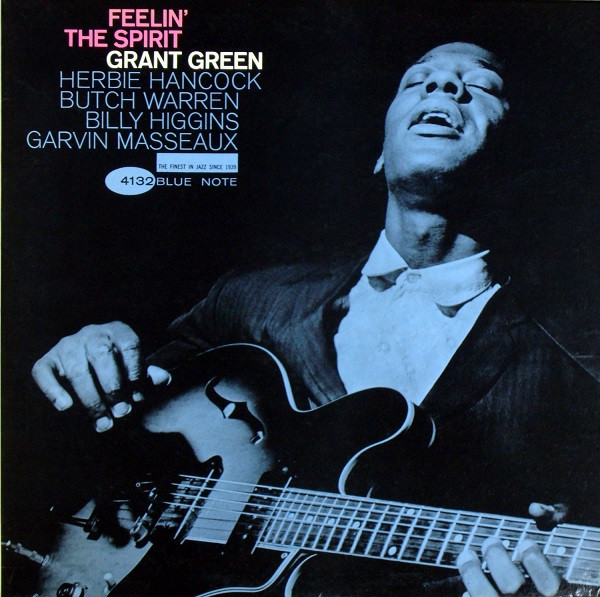
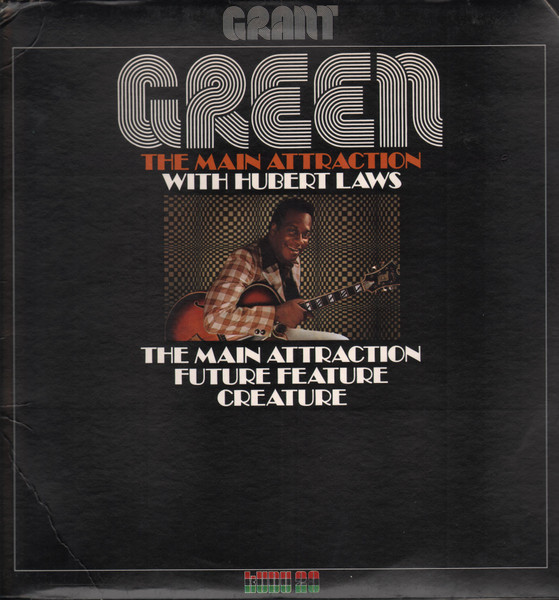
The Main Attraction
Grant Green
1976
Kudu
Bio
Grant Green was born on June 6, 1935, in St. Louis, Missouri. His father, a laborer and parking-lot owner, gave him a beat-up Harmony guitar during elementary school and taught him blues and folk music. Green studied formally with guitarist Forrest Alcorn but learned more from records, absorbing horn players like Charlie Parker, Lester Young, and Charlie Christian. This shaped his defining approach: linear, single-note phrasing without the block chords of Wes Montgomery or Kenny Burrell. At age 13 in 1948, he began professional work with gospel ensembles, then expanded into jazz and R&B bands across St. Louis through the 1950s.
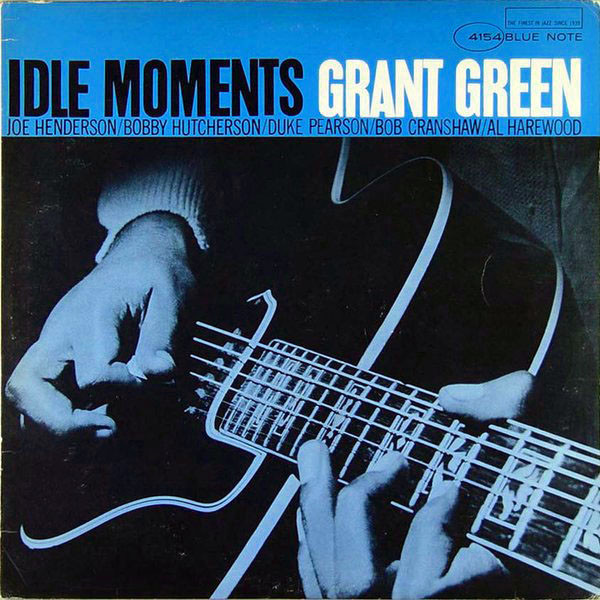
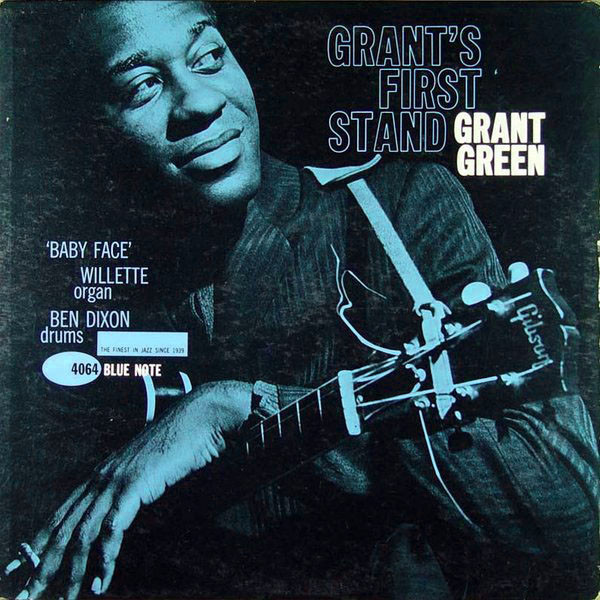
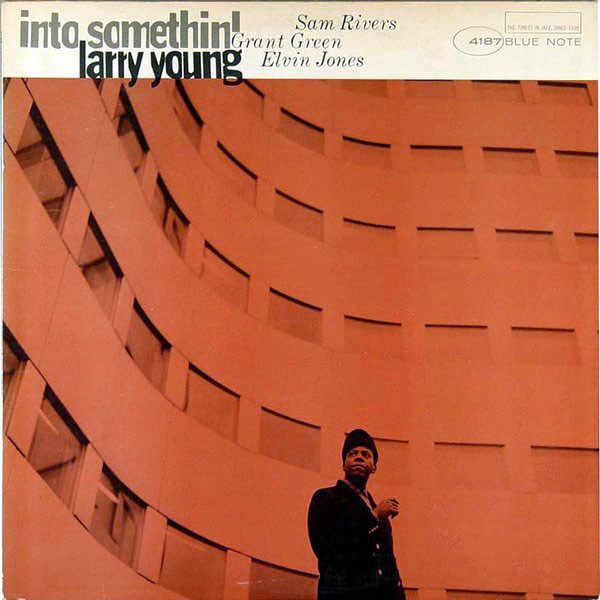
Lou Donaldson discovered Green in a St. Louis bar in 1959 and brought him to New York. Donaldson introduced him to Blue Note Records founder Alfred Lion, who signed Green immediately as a leader rather than start him as a sideman. Between 1961 and 1965, Green recorded prolifically for the label: “Grant’s First Stand” (1961), “Sunday Mornin’” (1962), and “Grantstand” (1962) featured organists John Patton, Larry Young, and Baby Face Willette in trio settings. “Idle Moments” (1965) became his most celebrated session, pairing him with tenor saxophonist Joe Henderson, vibraphonist Bobby Hutcherson, pianist McCoy Tyner, and drummer Elvin Jones—musicians from John Coltrane’s circle. This album established Green’s lasting reputation.
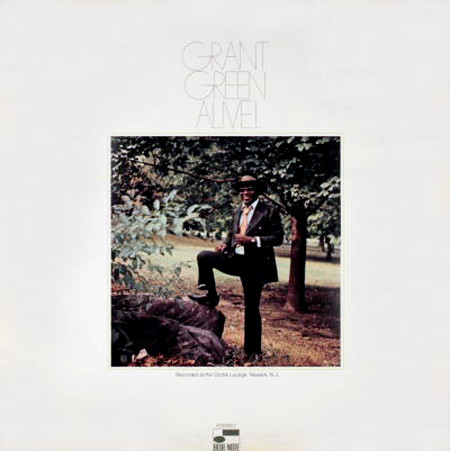
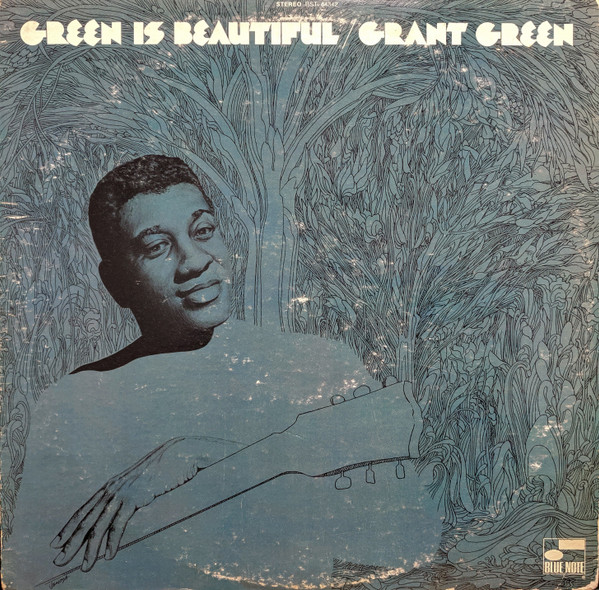
Green’s style combined horn-like phrasing with a guitar-specific tone achieved through careful amplifier adjustment. He maximized midrange while eliminating bass and treble for a punchy, biting attack. His single-note approach allowed him to navigate complex harmonic changes with bebop fluency while maintaining blues authenticity. In 1966, seeking creative change and better income, Green left Blue Note for Verve Records and recorded “His Majesty King Funk,” marking his shift toward funk and soul-jazz. Heroin addiction led to inactivity from 1967 to 1969. He returned to Blue Note with funk-influenced recordings including “Green Is Beautiful” (1970) and “Alive!” (1970).
Green departed Blue Note in 1974 and recorded for Kudu and other labels. Throughout 1978 his health deteriorated sharply. A minor stroke in autumn partially paralyzed his left side, and doctors diagnosed a blood clot near his heart, recommending triple-bypass surgery. Against medical advice and driven by financial necessity to support six children, he refused the operation and returned to touring. On January 31, 1979, Green collapsed from a heart attack while traveling to an engagement in New York. He died at age 43 and was buried in Greenwood Cemetery in St. Louis. Green’s legacy emerged posthumously as his Blue Note catalog became foundational to acid jazz and hip-hop sampling. Contemporary guitarists including George Benson and Carlos Santana cited him as a major influence, while critics recognized him as one of jazz guitar’s most underrated voices.
Timeline
Key Grant Green studio albums by decade, with the labels and styles that define each period.
| Decade | Key albums | Labels | Styles |
|---|---|---|---|
| 1960s |
| Blue Note | Hard Bop, Soul-Jazz |
| 1970s |
| Blue Note, Kudu | Jazz-Funk, Hard Bop, Soul-Jazz, Funk |
Albums by Style
Top albums grouped by style.
Hard Bop
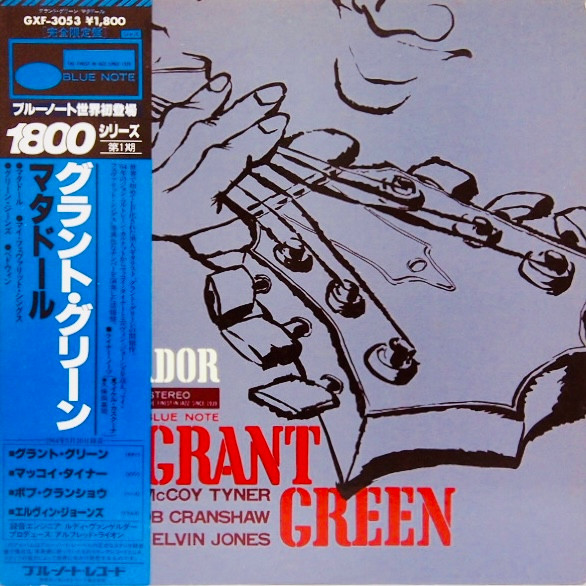
Soul-Jazz
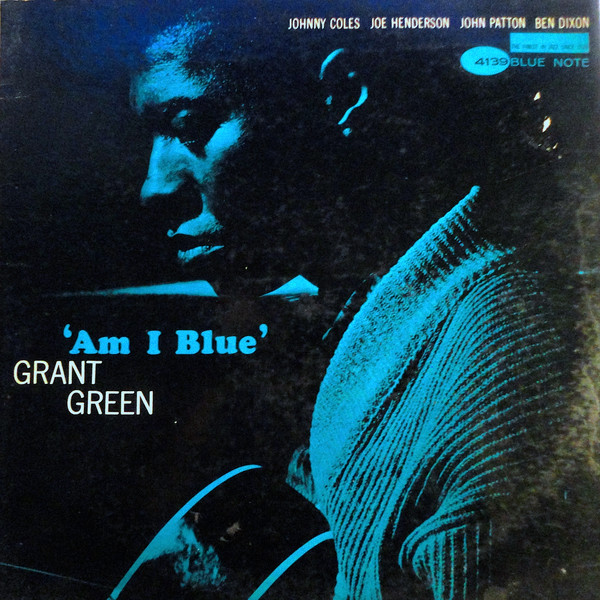
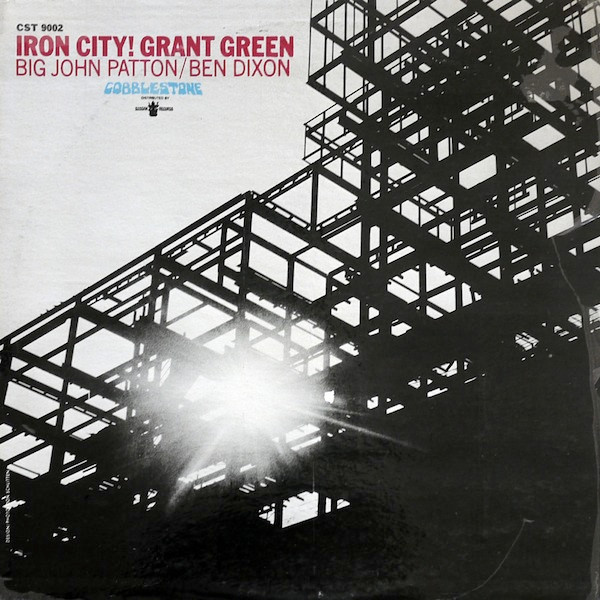
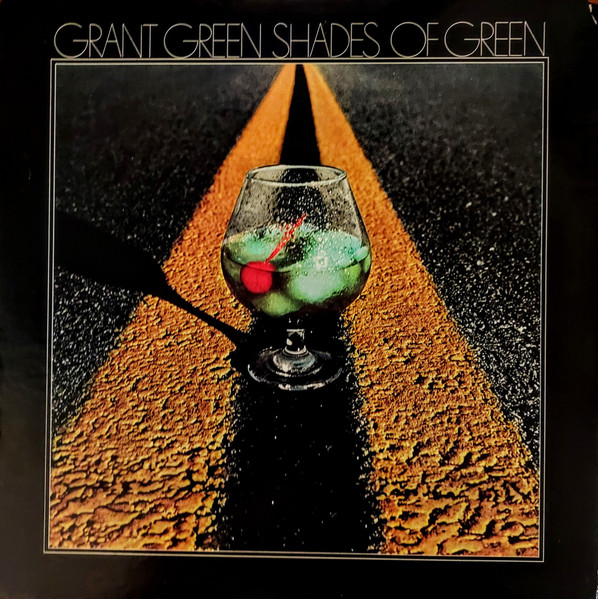
Jazz-Funk
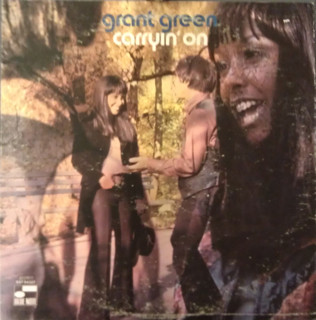
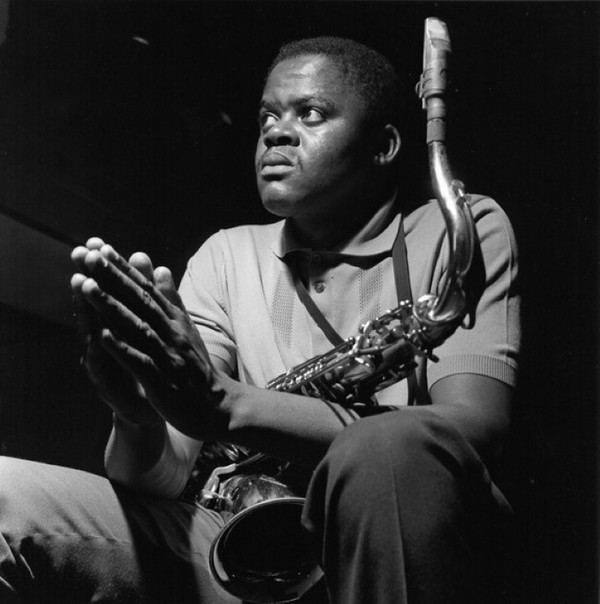
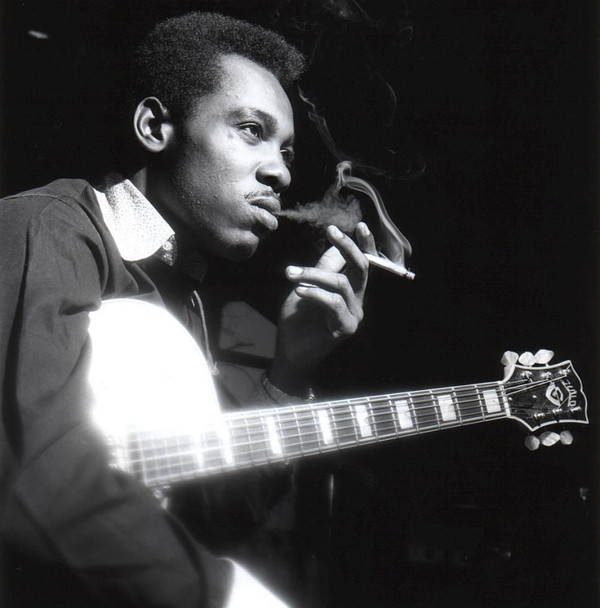
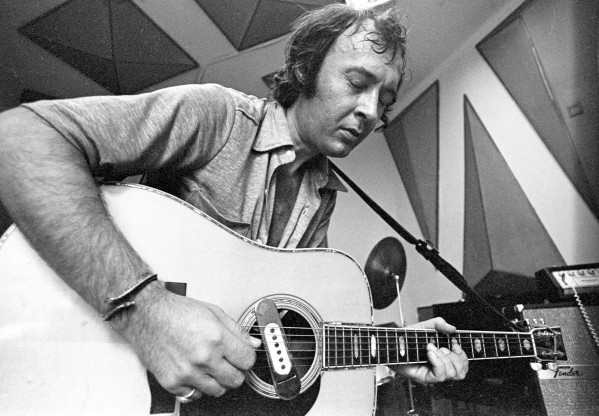
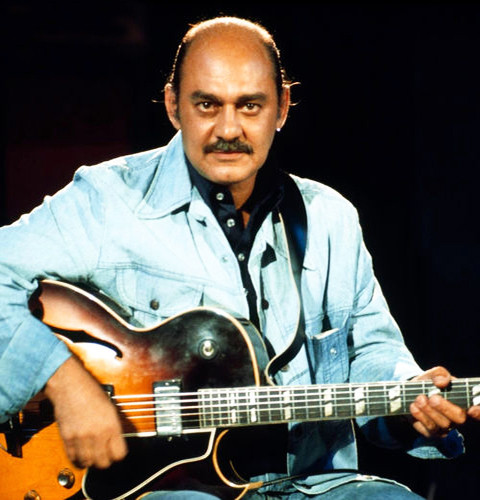
Similar Artists
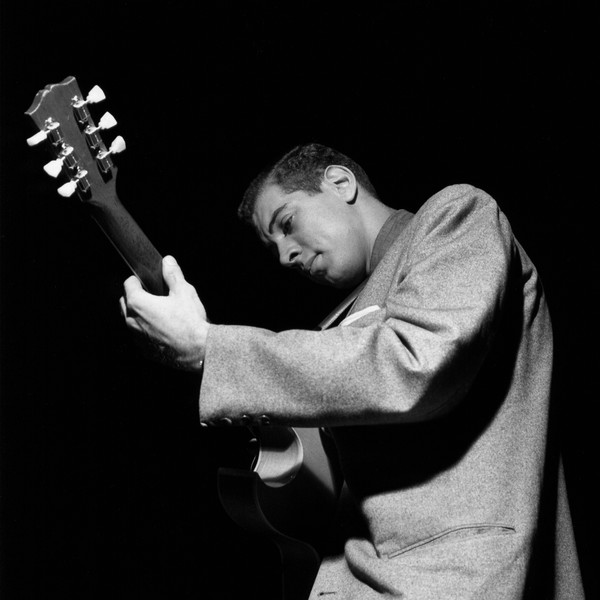
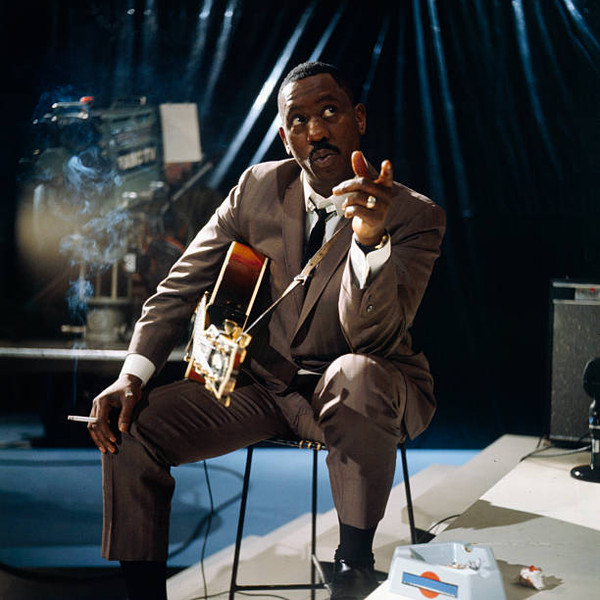
Artists with similar styles and catalogs.
Grant Green Discography
Grant Green studio albums as leader and sideman.
Total: 97 releases
| Artist | Album | Label | Leader/Sideman | Style | Year |
|---|---|---|---|---|---|
| Sam Lazar | Space Flight | Argo | Sideman | Soul-Jazz | 1960 |
| 'Baby Face' Willette | Face To Face | Blue Note | Sideman | Hard Bop | 1961 |
| Grant Green | Grant's First Stand | Blue Note | Leader | Hard Bop | 1961 |
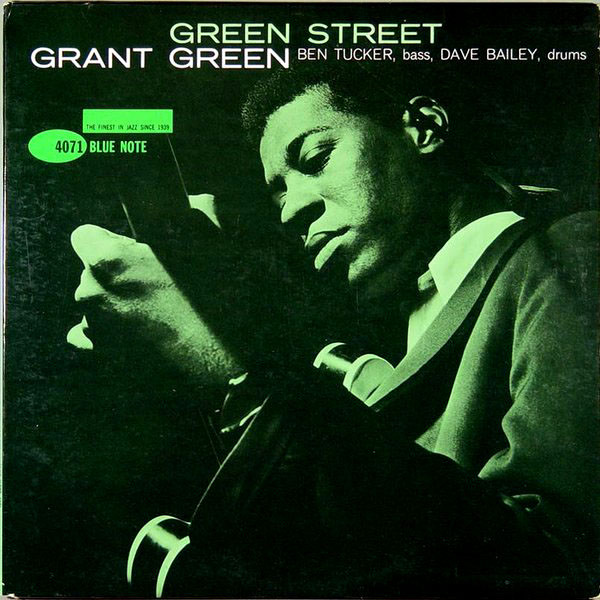
| Grant Green | Green Street | Blue Note | Leader | Hard Bop | 1961 |
| Lou Donaldson | Here 'Tis | Blue Note | Sideman | 1961 | |
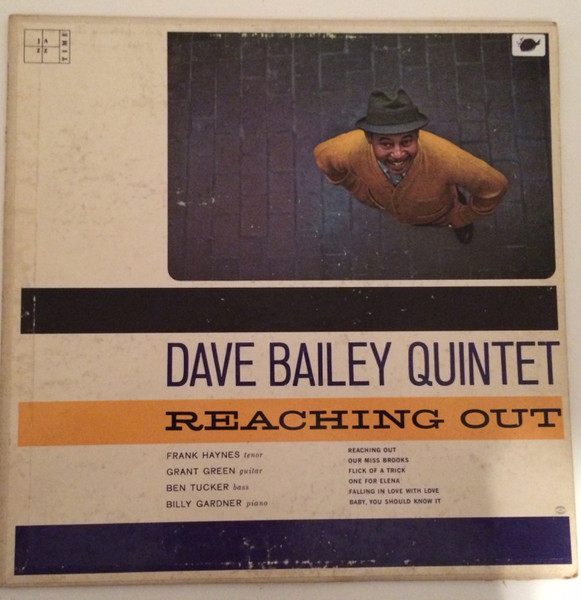
| The Dave Bailey Quintet | Reaching Out | Jazztime | Sideman | Hard Bop | 1961 |
| Stanley Turrentine | Up At "Minton's", Vol. 1 | Blue Note | Sideman | Hard Bop | 1961 |
| Brother Jack McDuff | Goodnight, It's Time To Go | Prestige | Sideman | Soul-Jazz | 1962 |
| Grant Green | Grantstand | Blue Note | Leader | Soul-Jazz | 1962 |
| Sonny Red, Blue Mitchell, Grant Green | Images | Jazzland | Leader | Hard Bop | 1962 |
| Joe Carroll | Man With A Happy Sound | Charlie Parker Records | Sideman | Soul-Jazz | 1962 |
| Dodo Greene | My Hour Of Need | Blue Note | Sideman | Soul-Jazz | 1962 |
| Don Wilkerson | Preach Brother! | Blue Note | Sideman | Soul-Jazz | 1962 |
| 'Baby Face' Willette | Stop And Listen | Blue Note | Sideman | Soul-Jazz | 1962 |
| Grant Green | Sunday Mornin' | Blue Note | Leader | Hard Bop | 1962 |
| Sonny Red, Grant Green, Barry Harris | The Mode | Jazzland | Leader | Hard Bop | 1962 |
| Stanley Turrentine | Up At "Minton's", Vol. 2 | Blue Note | Sideman | Hard Bop | 1962 |
| Hank Mobley | Workout | Blue Note | Sideman | Hard Bop | 1962 |
| John Patton | Along Came John | Blue Note | Sideman | Soul-Jazz | 1963 |
| Ike Quebec | Blue & Sentimental | Blue Note | Sideman | Cool Jazz | 1963 |
Grant Green Collaborations
Players they worked with most often, as leader and as sideman.
As Leader
| Musician | Role | Releases |
|---|---|---|
| Ben Dixon | Drums | 5 |
| Elvin Jones | Drums | 5 |
| Idris Muhammad | Drums | 5 |
| Al Harewood | Drums | 3 |
| John Patton | Organ | 3 |
| Joe Henderson | Tenor Saxophone | 3 |
| Bob Cranshaw | Bass | 3 |
| Larry Young | Organ | 3 |
| Claude Bartee | Tenor Saxophone | 3 |
| Sonny Clark | Piano | 3 |
As Sideman
| Musician | Role | Releases |
|---|---|---|
| Ben Dixon | Drums | 23 |
| John Patton | Organ | 19 |
| Harold Vick | Tenor Saxophone | 8 |
| Blue Mitchell | Trumpet | 8 |
| Stanley Turrentine | Tenor Saxophone | 7 |
| Fred Jackson | Tenor Saxophone | 7 |
| Lou Donaldson | Alto Saxophone | 6 |
| 'Baby Face' Willette | Organ | 6 |
| Bob Cranshaw | Bass | 6 |
| Al Harewood | Drums | 5 |
Styles & Genres Distribution
Style and genre mix across their releases.
Styles
| Style | Releases | Percentage |
|---|---|---|
| Soul-Jazz | 47 | 48.5% |
| Hard Bop | 41 | 42.3% |
| Jazz-Funk | 13 | 13.4% |
| Post Bop | 8 | 8.2% |
| Bop | 5 | 5.2% |
| Modal | 3 | 3.1% |
| Cool Jazz | 2 | 2.1% |
| Latin Jazz | 2 | 2.1% |
| Big Band | 2 | 2.1% |
| Gospel | 1 | 1% |
Genres
| Genre | Releases | Percentage |
|---|---|---|
| Jazz | 95 | 97.9% |
| Funk / Soul | 6 | 6.2% |
| Blues | 4 | 4.1% |
| Stage & Screen | 2 | 2.1% |
| Reggae | 1 | 1% |
| Hip Hop | 1 | 1% |
Top Labels
Labels with the most releases in their catalog.
| Label | Releases |
|---|---|
| Blue Note | 63 |
| Prestige | 9 |
| Verve Records | 3 |
| Argo | 2 |
| Jazzland | 2 |
| Jazztime | 1 |
| Charlie Parker Records | 1 |
| Mary Records | 1 |
| Impulse! | 1 |
| Limelight | 1 |
Key Personnel
Frequent producers, engineers, and studio credits.
| Person | Role | Releases |
|---|---|---|
| Various | Leader | 37 |
| Alfred Lion | Producer | 32 |
| Rudy Van Gelder | Recorded By [Recording By] | 31 |
| Reid Miles | Design [Cover] | 29 |
| Rudy Van Gelder | Lacquer Cut By | 25 |
| Francis Wolff | Photography By [Cover Photo] | 23 |
| Rudy Van Gelder | Recorded By | 21 |
| Joe Goldberg | Liner Notes | 10 |
| Rudy Van Gelder | Engineer [Recording] | 9 |
| Leonard Feather | Liner Notes | 9 |