
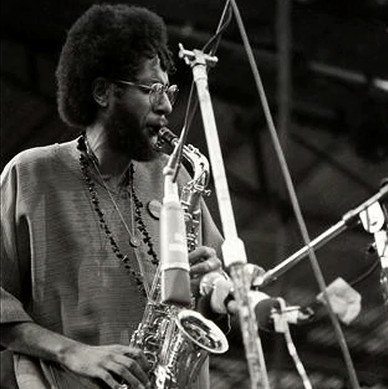
Gary Bartz
- Born:
- , Baltimore, Maryland, United States
- Instrument:
- Alto Saxophone
- Notable collaborations:
- Miles Davis, Art Blakey, Charles Mingus, McCoy Tyner, Max Roach
- Styles:
- Post Bop, Contemporary Jazz, Jazz-Funk, Fusion, Soul, Hard Bop, Bop, Disco, Soul-Jazz, Modal
Best Gary Bartz Albums
Leader albums ranked by reissues and demand.
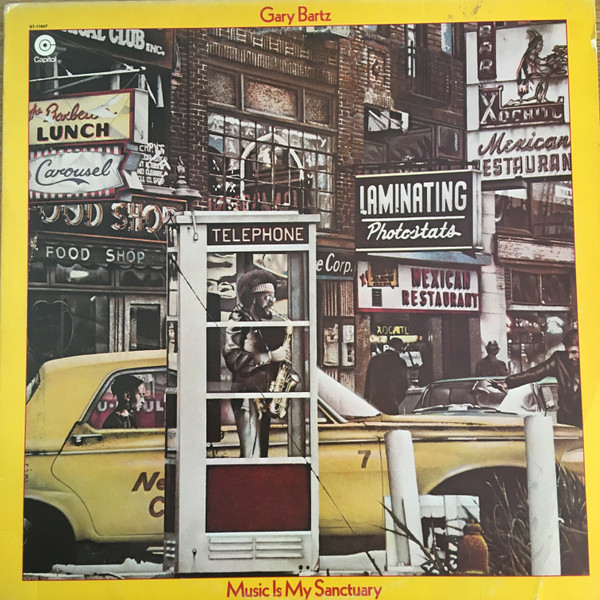
Music Is My Sanctuary
Gary Bartz
1977
Capitol Records
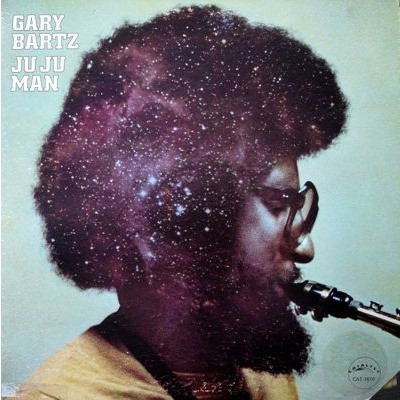
Ju Ju Man
Gary Bartz
1976
Catalyst Records
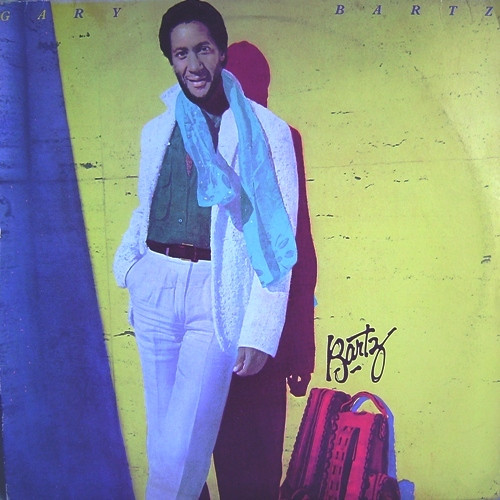
Bartz
Gary Bartz
1980
Arista
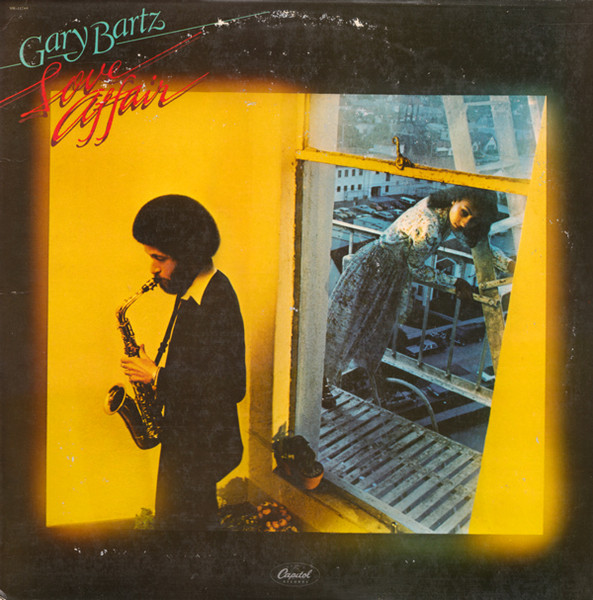
Love Affair
Gary Bartz
1978
Capitol Records
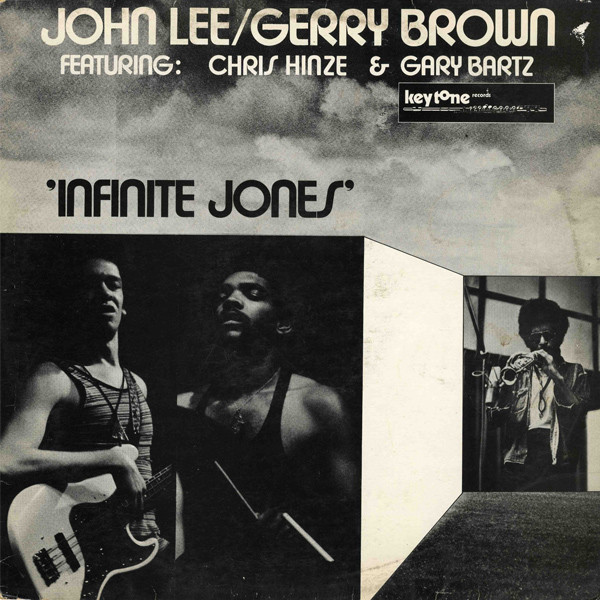
Infinite Jones
John Lee/ Gerry Brown Featuring: Chris Hinze & Gary Bartz
1974
Keytone Records
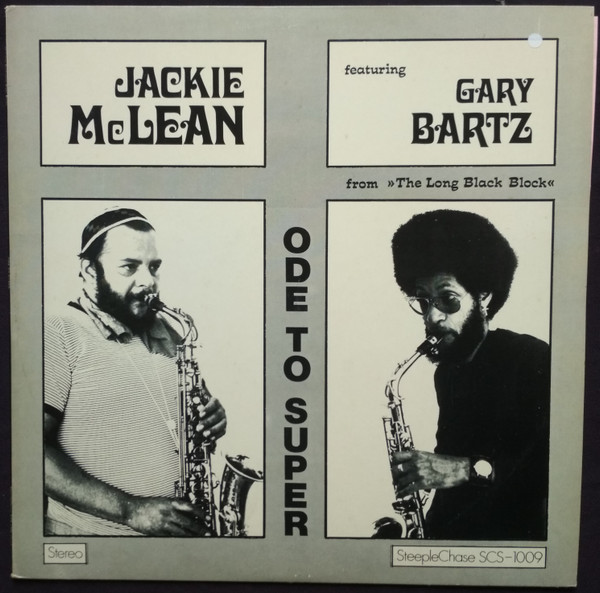
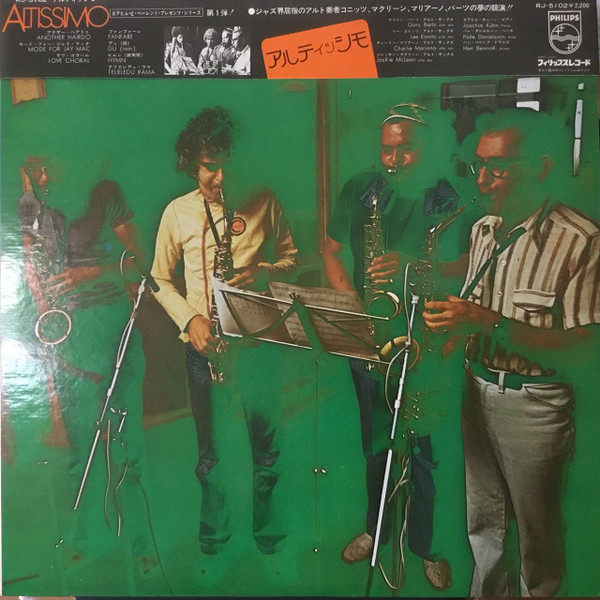
Altissimo
Gary Bartz, Lee Konitz, Charlie Mariano, Jackie McLean
1973
Philips
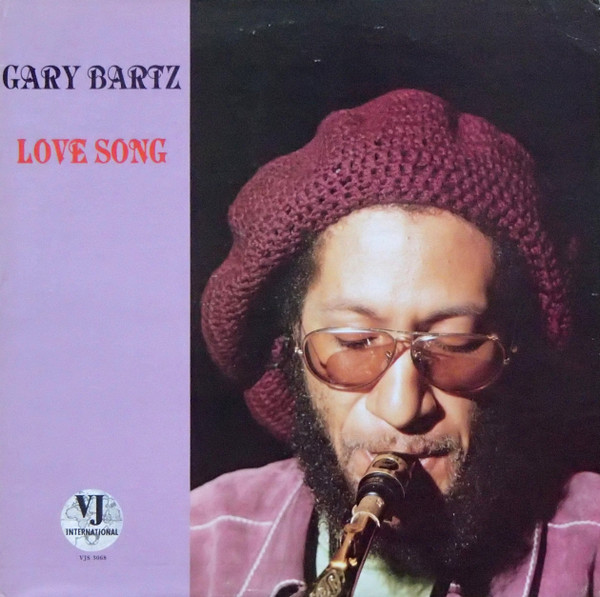
Love Song
Gary Bartz
1977
Vee Jay International
Bio
Gary Bartz was born on September 26, 1940, in Baltimore, Maryland. His parents owned a jazz nightclub, and he grew up surrounded by jazz musicians. At age six, Bartz heard Charlie Parker and knew he wanted to play saxophone. His father gave him his first alto saxophone at eleven. He played informally in the family club as a teenager, learning from visiting professionals. In 1958, Bartz left Baltimore to study at Juilliard School in New York. He frequented Birdland and other clubs, absorbing both bebop and free jazz. This combination of formal training and nightclub apprenticeship made him equally comfortable with post-bop tradition and avant-garde experimentation.
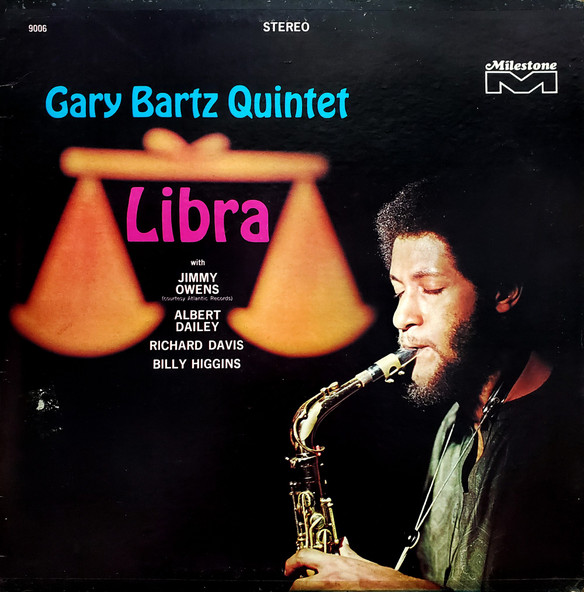
Bartz gained national recognition through work with major bandleaders in the early 1960s. From 1962 to 1964, he played alto saxophone in Charles Mingus’s Jazz Workshop alongside Eric Dolphy and McCoy Tyner. He absorbed Mingus’s approach to composition and ensemble writing. Bartz then worked with Max Roach and Abbey Lincoln before joining Art Blakey’s Jazz Messengers in the mid-1960s. His 1965 debut recording, Soul Finger on Limelight Records, established him among his altoist peers. By 1968, he joined McCoy Tyner’s Expansions quartet and played on ten subsequent Tyner albums. Simultaneously, Bartz released his first leader albums, Libra and Another Earth, both on Milestone Records in 1968 and 1969.
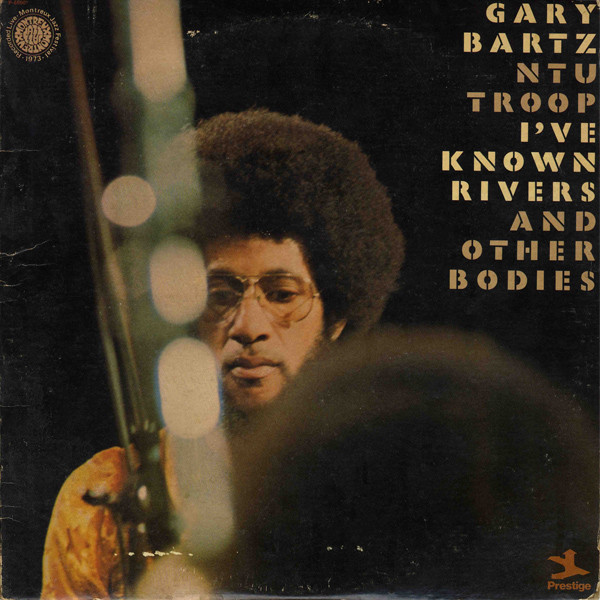
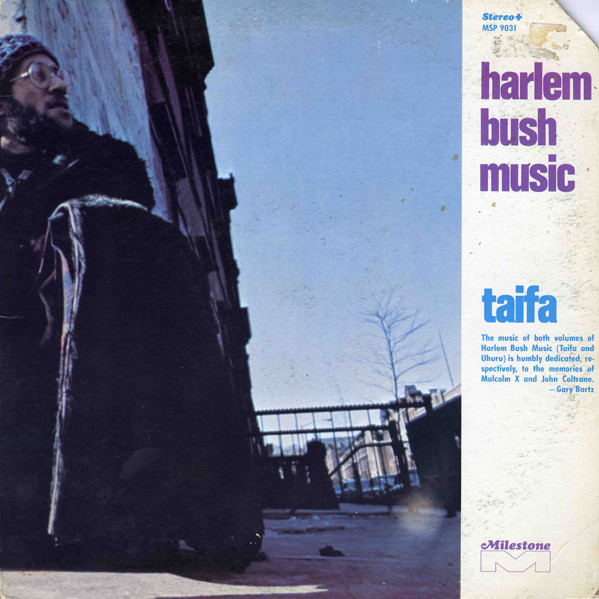
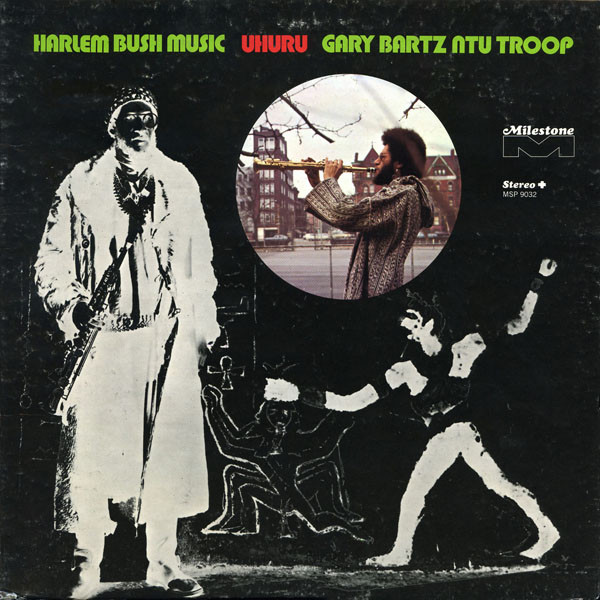
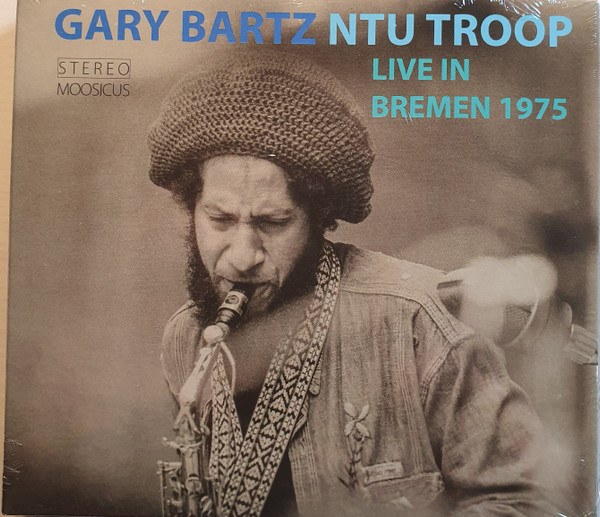
Bartz achieved his creative peak in the early 1970s through two significant developments. In 1970, Miles Davis invited him to perform at the Isle of Wight Festival, which resulted in the recording Live-Evil in 1971. Around the same time, Bartz formed the NTU Troop, an ensemble named from a Bantu word meaning essence. The group blended soul, funk, African folk music, hard bop, and avant-garde jazz into a cohesive sound. Between 1970 and 1974, the NTU Troop released seven albums for Prestige and Milestone Records. Key releases included Harlem Bush Music–Taifa (1971), a double album, and I’ve Known Rivers and Other Bodies (1973). Bartz’s approach emphasized what he called informal composition, allowing structural control over spontaneous improvisation. This method, combined with rhythmic sophistication, influenced later hip-hop producers who sampled his recordings.
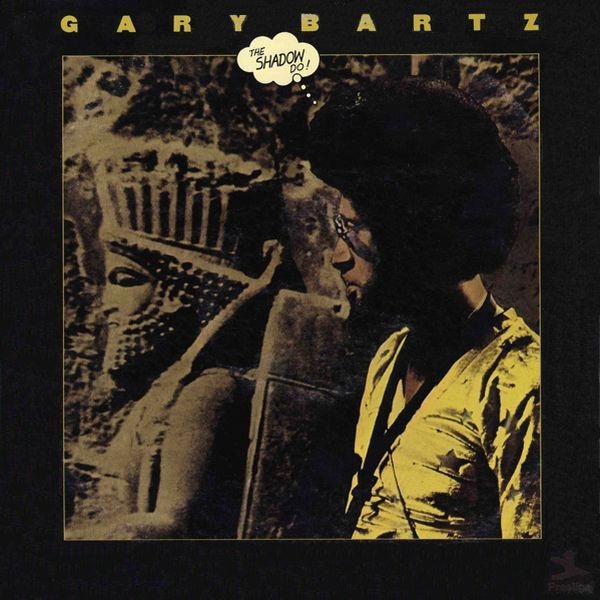
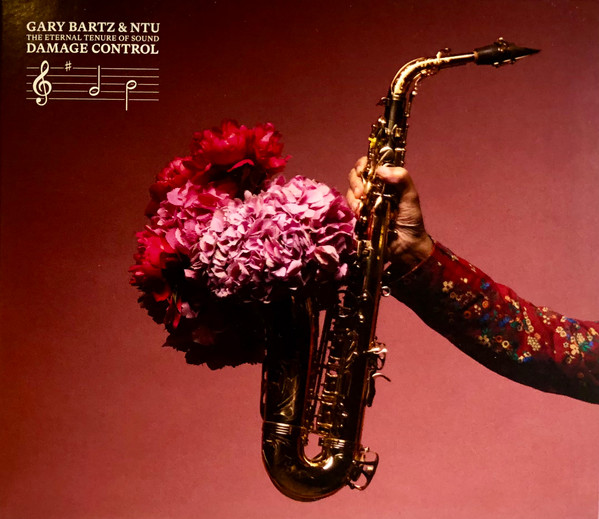
From the mid-1970s onward, Bartz explored funk and soul-jazz with commercial intent. Albums like The Shadow Do (1975), Ju Ju Man (1976), and Music Is My Sanctuary (1977) incorporated electric textures and groove arrangements. He recorded with Norman Connors, Jackie McLean, and Donald Byrd. Teaching became increasingly important after 2001, when Bartz joined Oberlin Conservatory in Ohio as a professor of saxophone and jazz performance. He maintained this position while continuing to perform and record throughout the 2000s and 2010s. In 2024, the National Endowment for the Arts designated him a NEA Jazz Master. Recent collaborations with Adrian Younge and Ali Shaheed Muhammad on the Jazz Is Dead label (2021) and with the ensemble Maisha (2020) showed his sustained relevance across generations. His legacy centers on bridging hard bop precision with funk sensibility, and on demonstrating the value of informal composition as a creative philosophy.
Timeline
Key Gary Bartz studio albums by decade, with the labels and styles that define each period.
| Decade | Key albums | Labels | Styles |
|---|---|---|---|
| 1960s |
| Milestone | — |
| 1970s |
| Keytone Records, Prestige, Catalyst Records, Capitol Records | Jazz-Funk, Fusion, Soul, Disco |
| 1980s |
| Arista, SteepleChase | Soul-Jazz, Soul, P.Funk |
| 1990s |
| Candid, Timeless Records, Audioquest, Atlantic Jazz, Greyboy Records | Post Bop, Funk, Soul, Soul-Jazz |
| 2000s |
| Starling, Delmark Records, Candid | Post Bop, Contemporary Jazz, Modal, Hard Bop |
| 2010s |
| Constant Sorrow, Smoke Sessions Records | Post Bop, Avant-garde Jazz, Bop |
| 2020s |
| Jazz Is Dead, Skyline Productions, OYO Recordings | Bop, Vocal, Fusion, Jazz-Funk |
Albums by Style
Top albums grouped by style.
Post Bop
Jazz-Funk
Ju Ju Man
Gary Bartz
1976
Catalyst Records
Music Is My Sanctuary
Gary Bartz
1977
Capitol Records
Fusion
Similar Artists
Artists with similar styles and catalogs.
Gary Bartz Discography
Gary Bartz studio albums as leader and sideman.
Total: 165 releases
| Artist | Album | Label | Leader/Sideman | Style | Year |
|---|---|---|---|---|---|
| Art Blakey & The Jazz Messengers | Soul Finger | Limelight | Sideman | 1965 | |
| Art Blakey | Hold On, I'm Coming | Limelight | Sideman | Soul-Jazz | 1966 |
| Gary Bartz Quintet | Libra | Milestone | Sideman | Post Bop | 1968 |
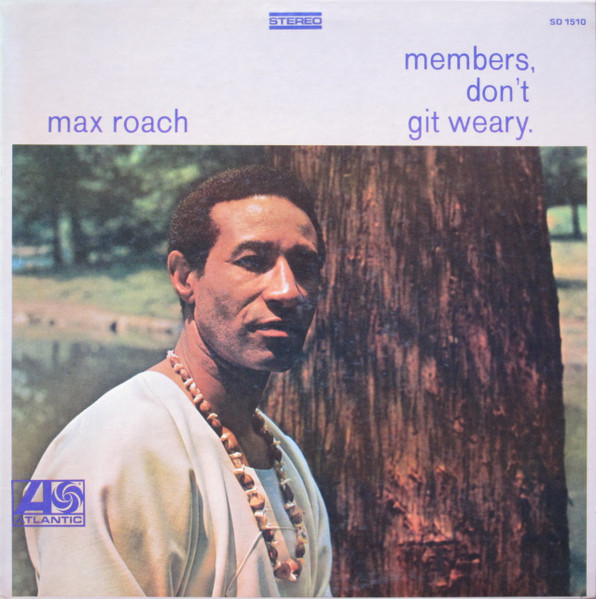
| Max Roach | Members, Don't Git Weary | Atlantic | Sideman | Post Bop | 1968 |
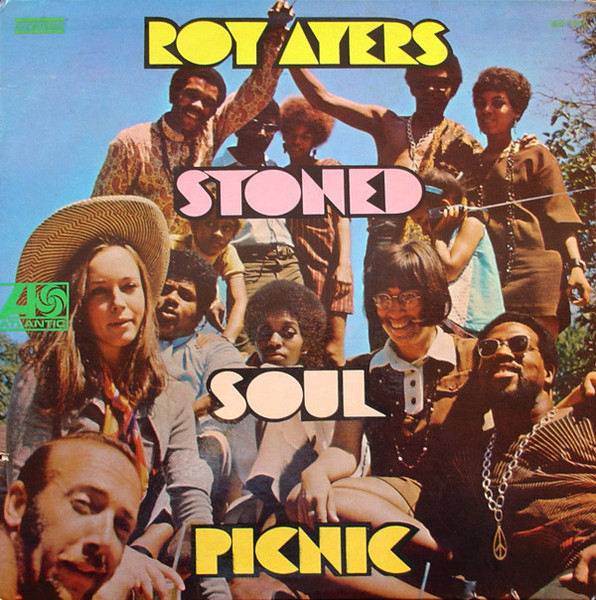
| Roy Ayers | Stoned Soul Picnic | Atlantic | Sideman | Soul-Jazz | 1968 |
| Helen Merrill, Dick Katz | A Shade Of Difference | Milestone | Sideman | Modal | 1969 |
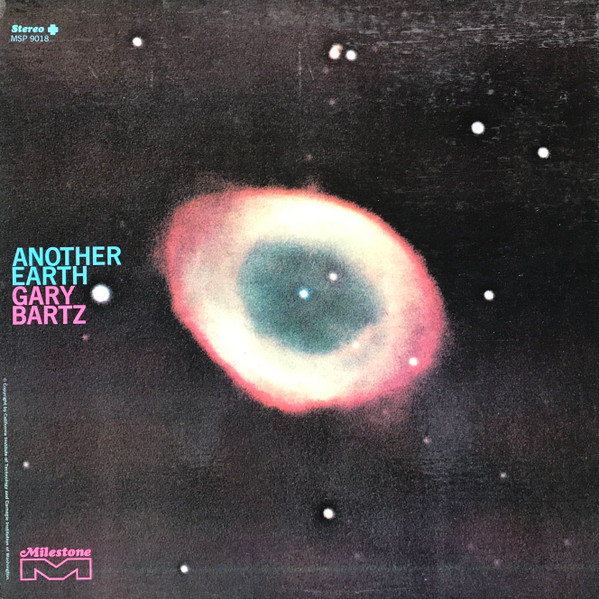
| Gary Bartz | Another Earth | Milestone | Leader | 1969 | |
| McCoy Tyner | Expansions | Blue Note | Sideman | Modal | 1969 |
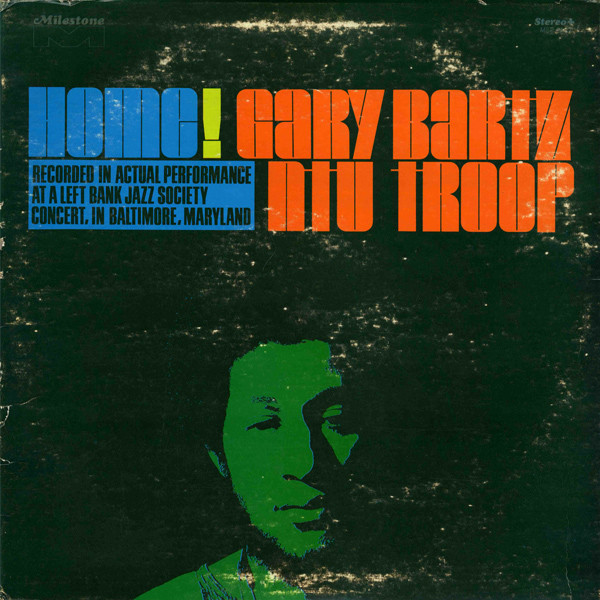
| Gary Bartz NTU Troop | Home! | Milestone | Sideman | Modal | 1970 |
| Pharoah Sanders | Summun Bukmun Umyun - Deaf Dumb Blind | Impulse! | Sideman | Free Jazz | 1970 |
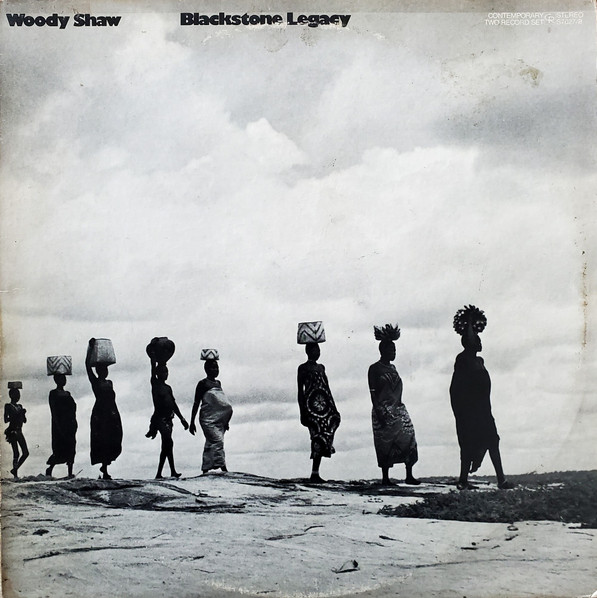
| Woody Shaw | Blackstone Legacy | Contemporary Records | Sideman | Post Bop | 1971 |
| Charles Tolliver And His All Stars | Charles Tolliver And His All Stars | Polydor | Sideman | Post Bop | 1971 |
| Gary Bartz NTU Troop | Harlem Bush Music - Taifa | Milestone | Sideman | Jazz-Funk | 1971 |
| Gary Bartz NTU Troop | Harlem Bush Music - Uhuru | Milestone | Sideman | Jazz-Funk | 1971 |
| Terumasa Hino Quintet | Love Nature | Canyon | Sideman | Free Jazz | 1971 |
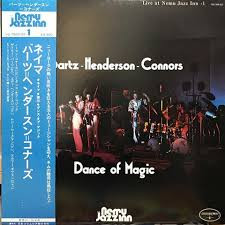
| Norman Connors | Dance Of Magic | Cobblestone | Sideman | Fusion | 1972 |
| McCoy Tyner | Extensions | Blue Note | Sideman | Post Bop | 1972 |
| Buddy Guy | Hold That Plane! | Vanguard | Sideman | Rhythm & Blues | 1972 |
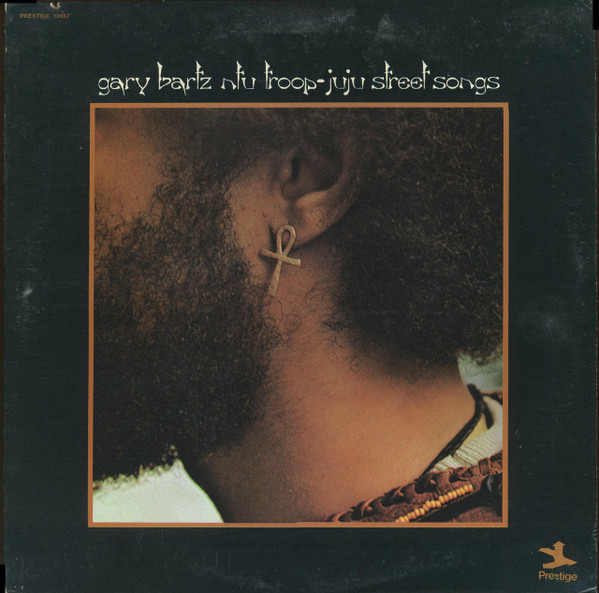
| Gary Bartz Ntu Troop | Juju Street Songs | Prestige | Sideman | Soul-Jazz | 1972 |
| Gary Bartz, Lee Konitz, Charlie Mariano, Jackie McLean | Altissimo | Philips | Leader | Contemporary Jazz | 1973 |
Gary Bartz Collaborations
Players they worked with most often, as leader and as sideman.
As Leader
| Musician | Role | Releases |
|---|---|---|
| Greg Bandy | Drums | 5 |
| James King | Bass | 4 |
| Howard King | Drums | 3 |
| Eddie Henderson | Trumpet | 3 |
| Geoff Harper | Bass | 3 |
| Bob Butta | Piano | 3 |
| Ben Riley | Drums | 3 |
| Kenny Barron | Piano | 3 |
| Larry Willis | Piano | 3 |
| Reggie Workman | Bass | 2 |
As Sideman
| Musician | Role | Releases |
|---|---|---|
| Miles Davis | Trumpet | 32 |
| Keith Jarrett | Electric Piano | 22 |
| James Mtume | Percussion | 21 |
| Keith Jarrett | Organ | 20 |
| Don Alias | Percussion | 19 |
| Leon Ndugu Chancler | Drums | 18 |
| Michael Henderson | Electric Bass | 15 |
| Jack DeJohnette | Drums | 15 |
| Airto Moreira | Percussion | 14 |
| Eddie Henderson | Trumpet | 11 |
Styles & Genres Distribution
Style and genre mix across their releases.
Styles
| Style | Releases | Percentage |
|---|---|---|
| Post Bop | 43 | 26.1% |
| Contemporary Jazz | 26 | 15.8% |
| Jazz-Funk | 23 | 13.9% |
| Fusion | 23 | 13.9% |
| Soul | 18 | 10.9% |
| Hard Bop | 16 | 9.7% |
| Bop | 16 | 9.7% |
| Disco | 15 | 9.1% |
| Soul-Jazz | 14 | 8.5% |
| Modal | 12 | 7.3% |
Genres
| Genre | Releases | Percentage |
|---|---|---|
| Jazz | 147 | 89.1% |
| Funk / Soul | 37 | 22.4% |
| Electronic | 5 | 3% |
| Pop | 3 | 1.8% |
| Hip Hop | 3 | 1.8% |
| Stage & Screen | 1 | 0.6% |
| Blues | 1 | 0.6% |
| Folk | 1 | 0.6% |
| World | 1 | 0.6% |
| & Country | 1 | 0.6% |
Top Labels
Labels with the most releases in their catalog.
| Label | Releases |
|---|---|
| Milestone | 8 |
| Blue Note | 6 |
| Prestige | 6 |
| Buddah Records | 6 |
| Arista | 6 |
| Verve Records | 6 |
| Atlantic | 4 |
| Columbia | 4 |
| Smoke Sessions Records | 4 |
| Epic | 3 |
Key Personnel
Frequent producers, engineers, and studio credits.
| Person | Role | Releases |
|---|---|---|
| Various | Leader | 17 |
| Larkin Arnold | Executive-Producer | 9 |
| Skip Drinkwater | Producer | 9 |
| Orrin Keepnews | Producer | 7 |
| Miles Davis | Leader | 6 |
| James Mtume | Producer | 5 |
| George Horn | Mastered By | 5 |
| Jimmy Katz | Photography By | 5 |
| Reggie Lucas | Producer | 4 |
| Ray Hagerty | Lacquer Cut By | 4 |