
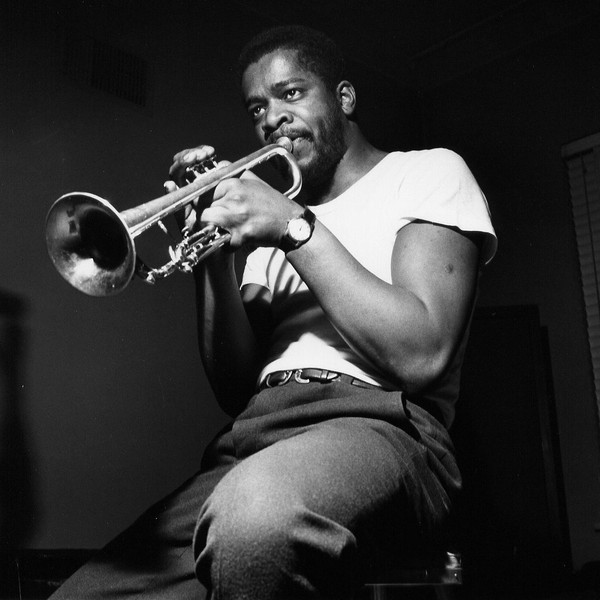
Donald Byrd
- Born:
- , Detroit, Michigan
- Died:
- , Dover, Delaware
- Instrument:
- Trumpet
- Notable collaborations:
- Art Blakey, John Coltrane, Herbie Hancock, Pepper Adams, Horace Silver
- Styles:
- Hard Bop, Bop, Post Bop, Jazz-Funk, Soul-Jazz, Big Band, Funk, Disco, Cool Jazz, Easy Listening
Best Donald Byrd Albums
Leader albums ranked by reissues and demand.



Bio
Donaldson Toussaint L’Ouverture Byrd II was born on December 9, 1932, in Detroit, Michigan. His father, Elijah Thomas Byrd, was a Methodist minister, and his mother, Cornelia Taylor, introduced him to jazz. His uncle gave him his first trumpet while he was young. Byrd attended Cass Technical High School, a Detroit school known for developing jazz talent. He performed professionally with Lionel Hampton before graduating. At age 16 or 17, he made his first recording in 1949 with the Robert Barnes Sextette at Fortune Records in Detroit. After Air Force service from 1951 to 1952, he earned a bachelor’s degree in music from Wayne State University in 1954 and a master’s degree in music education from Manhattan School of Music in 1955.
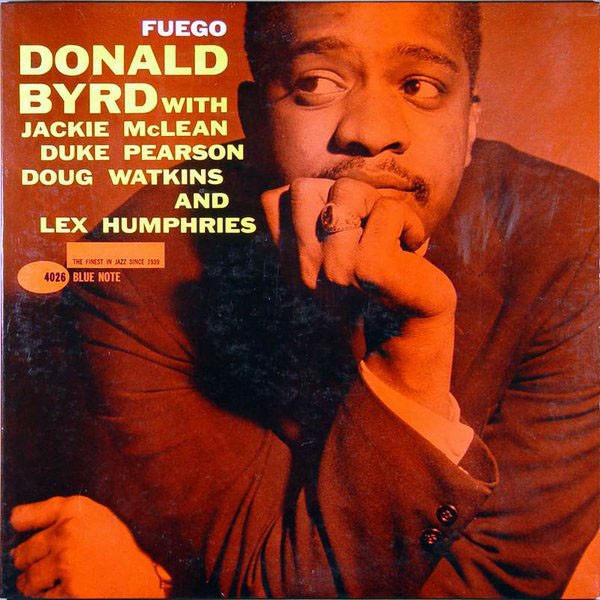
Byrd moved to New York in 1955 and quickly emerged as a central figure in hard bop. In December 1955, Art Blakey recruited him to replace Clifford Brown in the Jazz Messengers. He appeared on The Jazz Messengers in 1956 and left that summer to work extensively as a sideman with John Coltrane, Sonny Rollins, Red Garland, Horace Silver, and Thelonious Monk on Prestige, Riverside, and Savoy recordings. His lyrical trumpet tone and economical phrasing made him a valued session musician. From 1958 to 1961, he co-led a quintet with baritone saxophonist Pepper Adams, performing at the Half Note Cafe. Byrd signed with Blue Note in 1958 and released Off to the Races in 1959, Byrd in Hand in 1959, and Fuego in 1960, often featuring Jackie McLean and alto saxophonist Phil Woods.
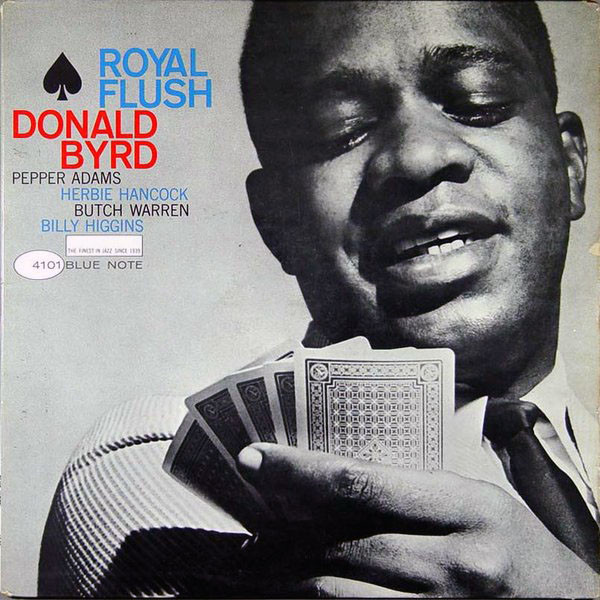
Byrd distinguished himself as a mentor to younger musicians, most notably Herbie Hancock. When Hancock arrived in New York, Byrd provided housing and encouraged him to retain his publishing rights. He connected Hancock with Mongo Santamaria, whose version of Hancock’s “Watermelon Man” became a commercial hit. Byrd advised Hancock to join Miles Davis’s quintet, and Hancock later credited him with launching his career. In 1961, Hancock recorded Royal Flush as his Blue Note debut. Throughout the 1960s, Byrd continued developing his style. A New Perspective in 1964 incorporated gospel choir and soul-jazz elements. That same year, he studied composition with theorist Nadia Boulanger in Paris. He earned a J.D. from Howard University in 1976 and a Ph.D. in music education from Columbia Teachers College in 1982 while teaching at Rutgers, Hampton, Howard, North Carolina Central, Cornell, and Delaware State universities.
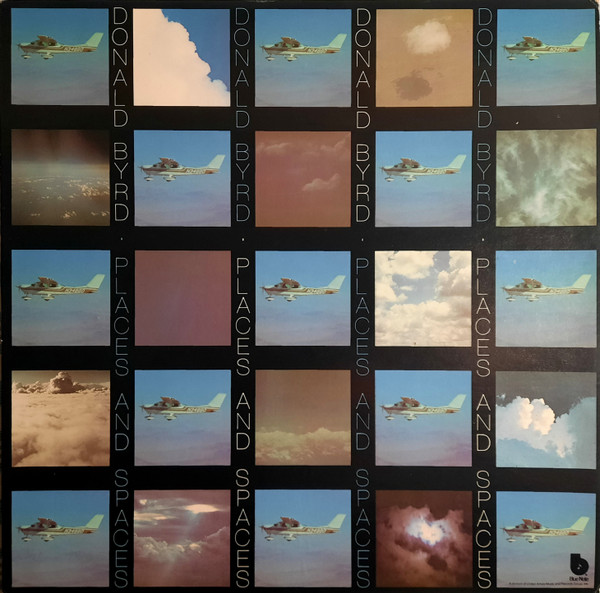
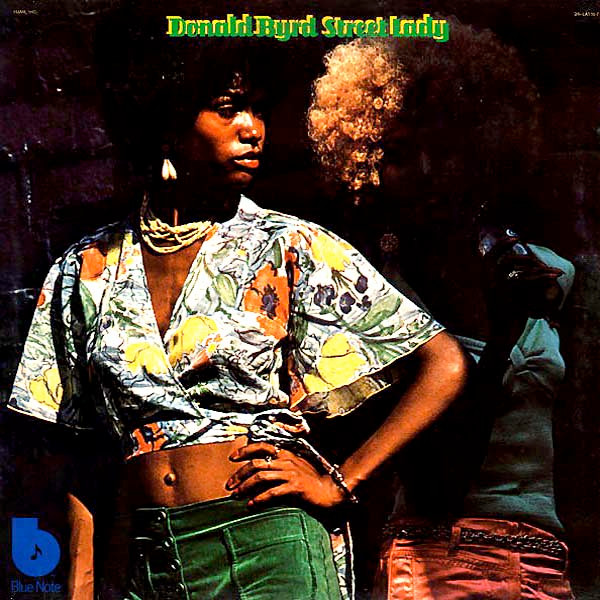
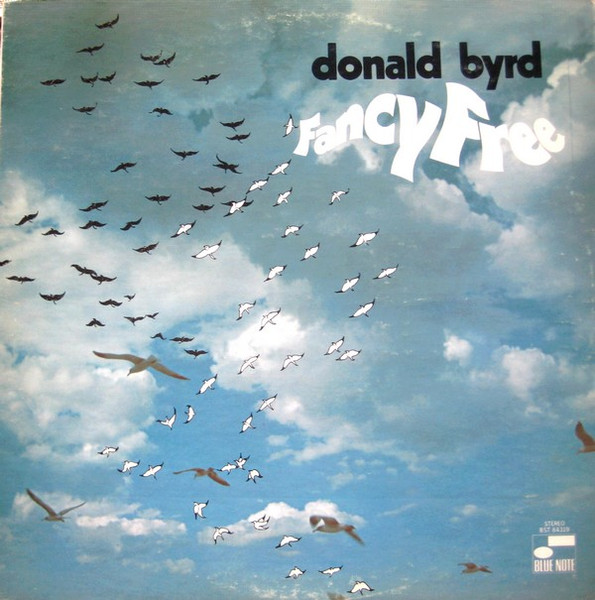
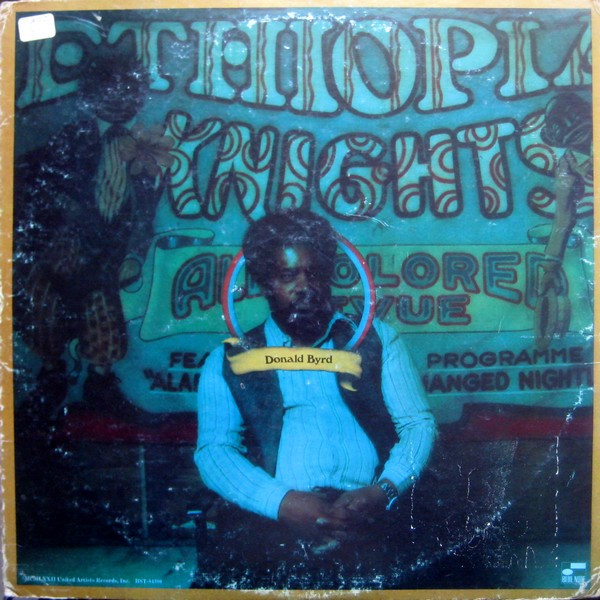
Byrd entered the fusion era with Fancy Free in 1969 and Electric Byrd in 1970, adding electric keyboards and effects to his trumpet sound. His collaboration with producers Larry and Fonce Mizell on Black Byrd in 1973 became Blue Note’s best-selling album at that time. The title track reached number 19 on the R&B chart and number 88 on the pop chart. Street Lady in 1973 and Places and Spaces in 1975 continued this jazz-funk direction. In 1973, Byrd formed the Blackbyrds with Howard University students. Their single “Walking in Rhythm” reached the pop Top 10. By the 1970s, he achieved financial success uncommon among jazz musicians. When Miles Davis questioned his driving a Ford, Byrd reportedly replied that he flew his own plane. Over 200 hip-hop samples of Byrd’s music appeared in recordings by artists including Nas, Public Enemy, and A Tribe Called Quest, who drew from Places and Spaces and Blackbyrds recordings.
Byrd was named a NEA Jazz Master in 2000 for his pioneering work in jazz education and fusion. He died on February 4, 2013, in Dover, Delaware, at age 80. His legacy includes influential contributions to hard-bop trumpet playing and a successful fusion career that preserved jazz values. He also established formal college-level jazz curricula that shaped generations of musicians.
Timeline
Key Donald Byrd studio albums by decade, with the labels and styles that define each period.
| Decade | Key albums | Labels | Styles |
|---|---|---|---|
| 1950s |
| Savoy Records, Prestige, Blue Note | Hard Bop |
| 1960s |
| Blue Note, Prestige | Hard Bop, Soul-Jazz, Post Bop, Latin Jazz |
| 1970s |
| Blue Note | Jazz-Funk, Funk, Fusion, Hard Bop |
| 1980s |
| Blue Note, Discovery Records, Landmark Records | Hard Bop, Easy Listening, Post Bop, Contemporary Jazz |
| 1990s |
| Landmark Records, Blue Note | Post Bop, Hard Bop |
| 2010s |
| Sonorama | Hard Bop |
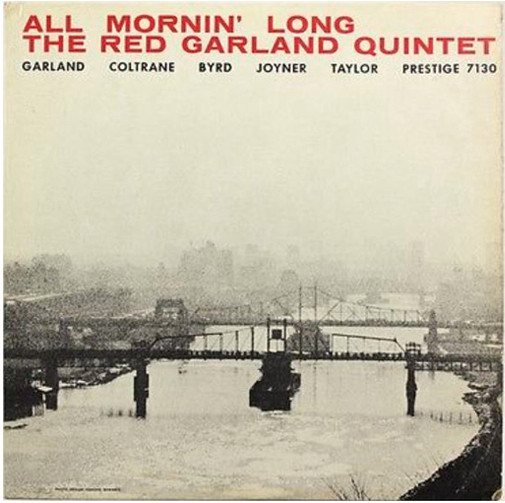
Albums by Style
Top albums grouped by style.
Hard Bop
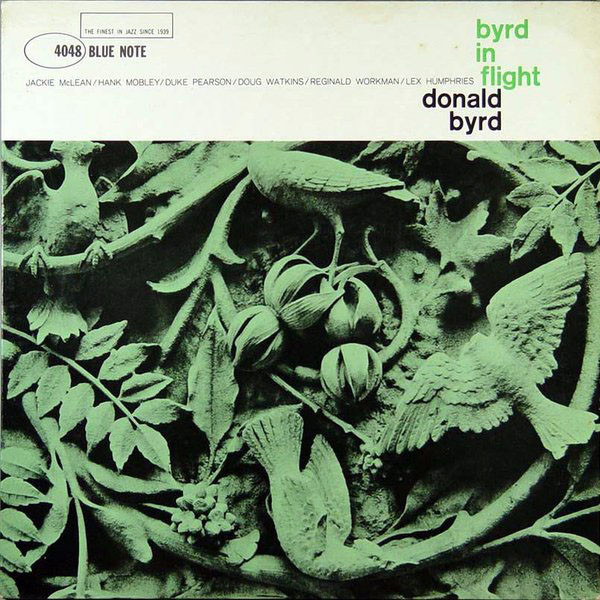
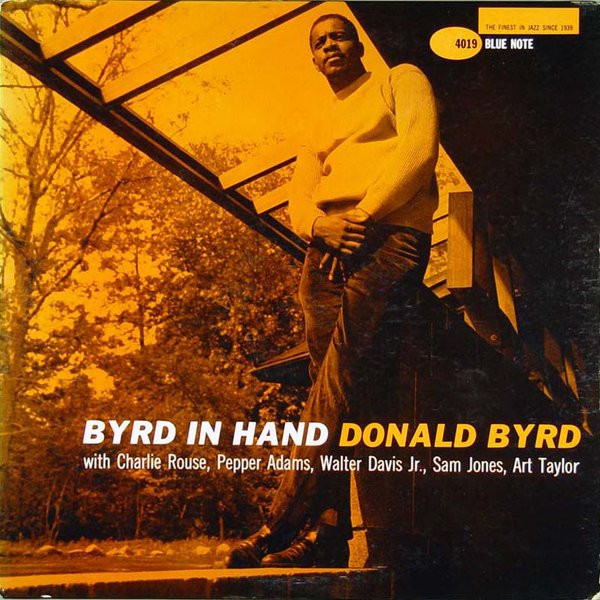
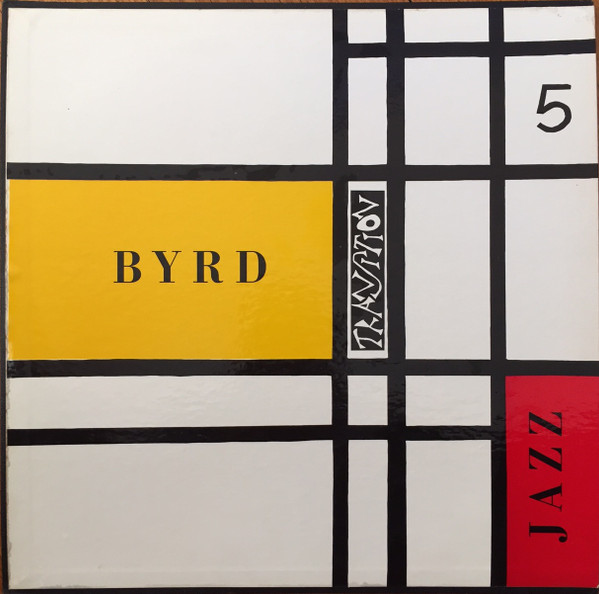
Byrd Jazz
Donald Byrd
1956
Transition
Jazz-Funk
Post Bop
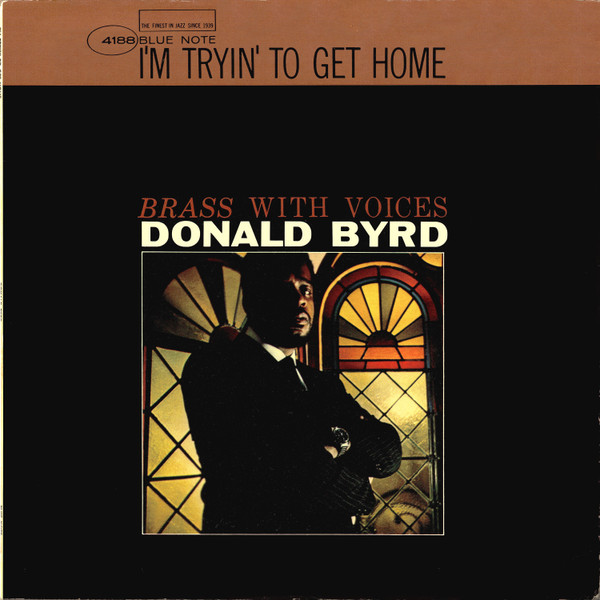
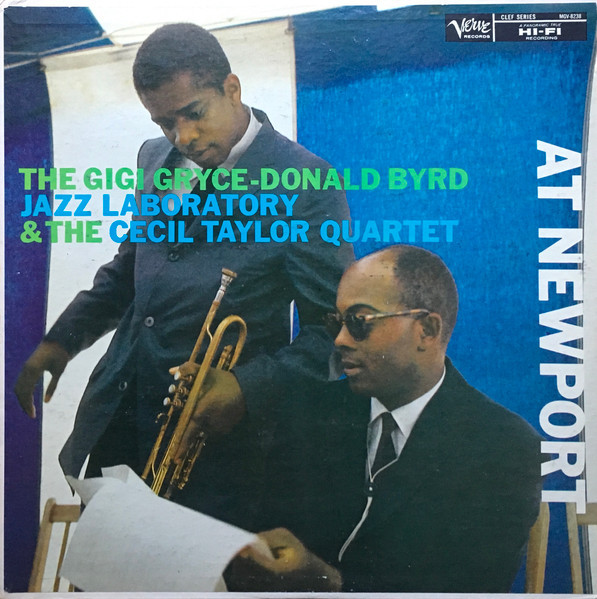
Similar Artists
Artists with similar styles and catalogs.
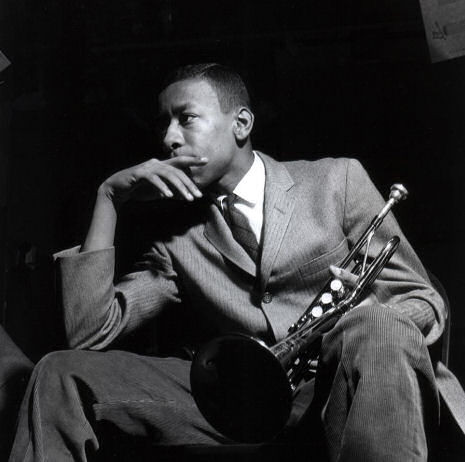
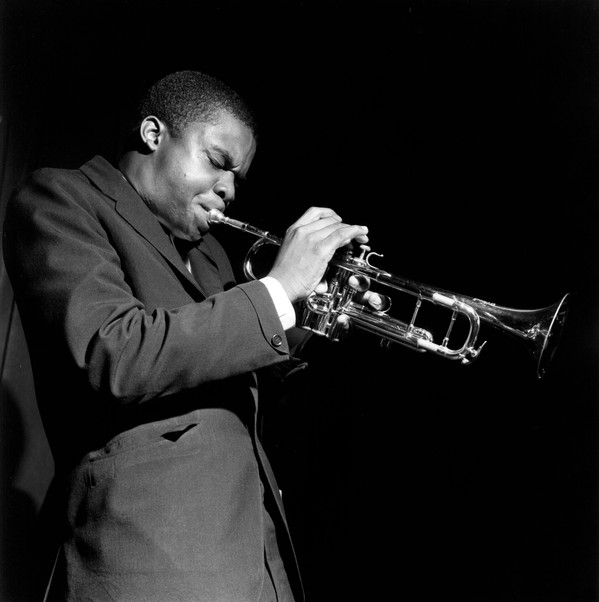
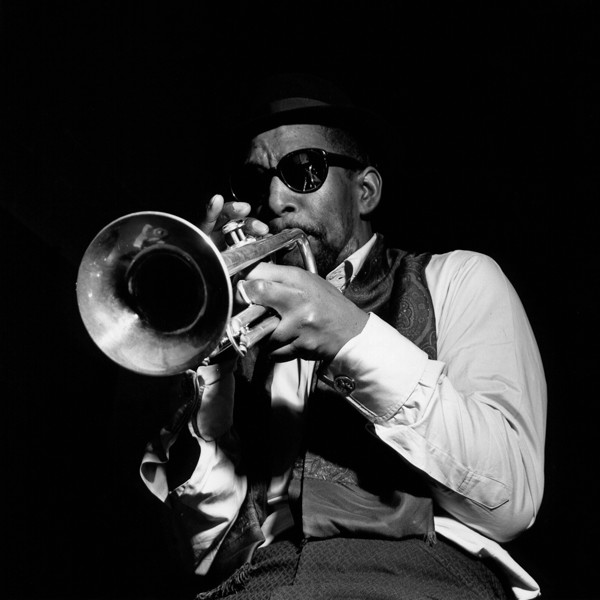
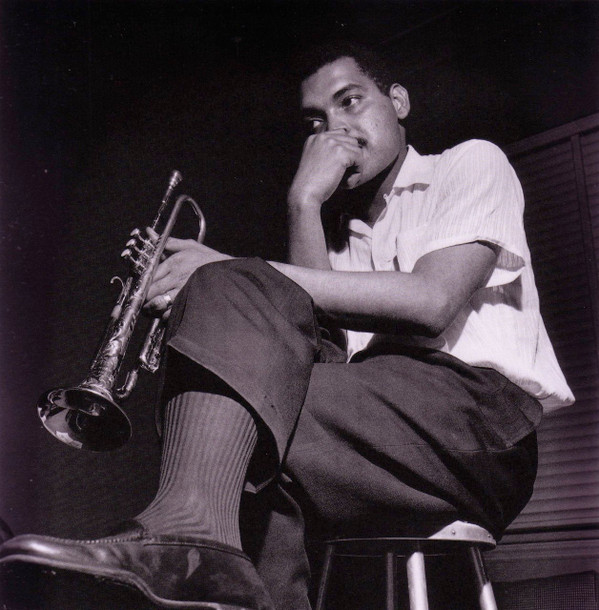
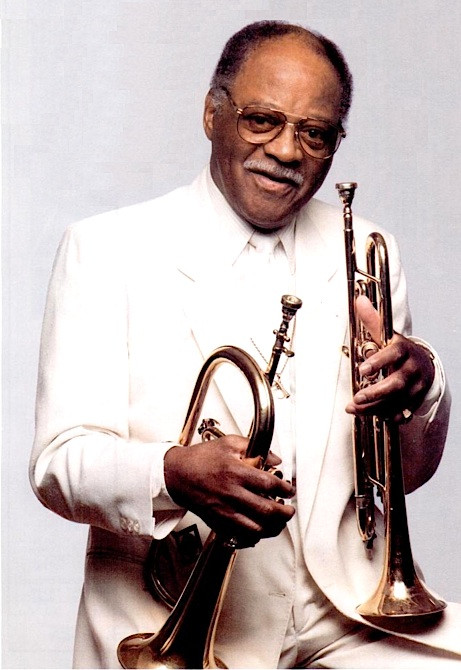
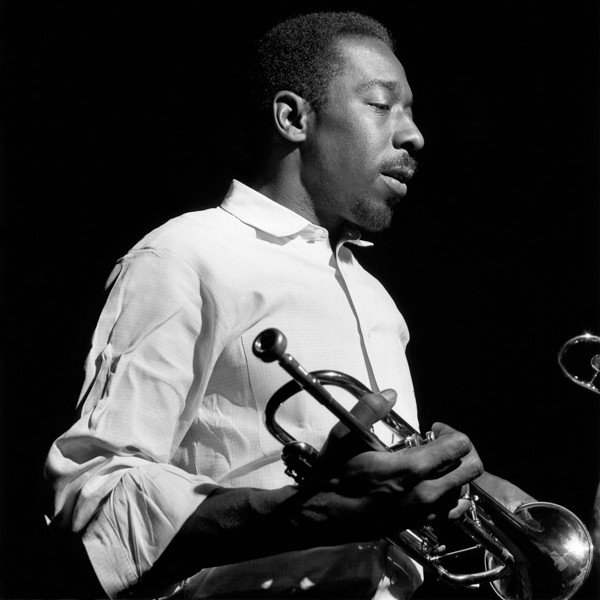
Donald Byrd Discography
Donald Byrd studio albums as leader and sideman.
Total: 169 releases
| Artist | Album | Label | Leader/Sideman | Style | Year |
|---|---|---|---|---|---|
| Cannonball Adderley, Horace Silver, Paul Chambers, Donald Byrd, Nat Adderley, Jerome Richardson, Kenny Clarke | Bohemia After Dark | Savoy Records | Leader | Hard Bop | 1955 |
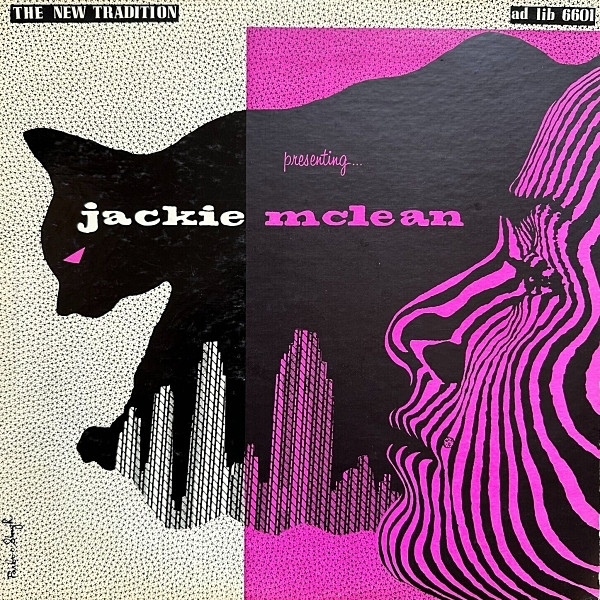
| Jackie McLean | Presenting... Jackie McLean: The New Tradition | Ad Lib | Sideman | Bop | 1955 |
| Oscar Pettiford | Volume 2 | Bethlehem Records | Sideman | 1955 | |
| Art Farmer, Donald Byrd | 2 Trumpets | Prestige | Leader | Bop | 1956 |
| Jackie McLean | 4, 5 And 6 | Prestige | Sideman | Hard Bop | 1956 |
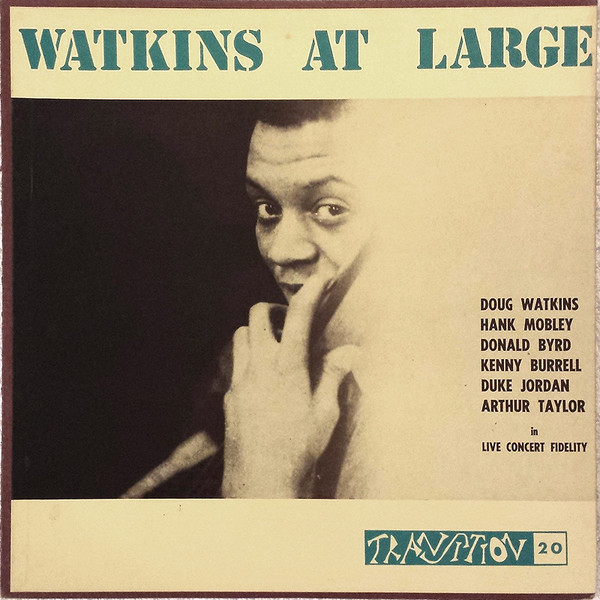
| Donald Byrd | Byrd Jazz | Transition | Leader | Hard Bop | 1956 |
| Donald Byrd | Byrd's Eye View | Transition | Leader | Hard Bop | 1956 |
| Donald Byrd | Byrd's Word | Savoy Records | Leader | Hard Bop | 1956 |
| George Wallington Quintet | George Wallington Quintet At The Bohemia (Featuring The Peck) | Progressive Records | Sideman | Bop | 1956 |
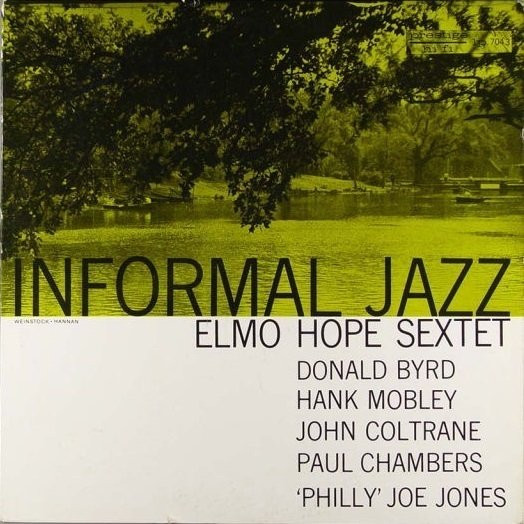
| Elmo Hope Sextet | Informal Jazz | Prestige | Sideman | Hard Bop | 1956 |
| Gene Ammons' All Stars | Jammin' With Gene | Prestige | Sideman | Bop | 1956 |
| George Wallington Quintet | Jazz For The Carriage Trade | Prestige | Sideman | Bop | 1956 |
| Hank Mobley | Jazz Message #2 | Savoy Records | Sideman | Bop | 1956 |
| Kenny Clarke | Klook's Clique | Savoy Records | Sideman | Bop | 1956 |
| Jackie McLean Quintet, Donald Byrd, Elmo Hope | Lights Out! | Prestige | Leader | Hard Bop | 1956 |
| Phil Woods Septet | Pairing Off | Prestige | Sideman | 1956 | |
| Hank Jones | Quartet-Quintet | Savoy Records | Sideman | 1956 | |
| The Horace Silver Quintet | Silver's Blue | Epic | Sideman | Hard Bop | 1956 |
| Rita Reys | The Cool Voice Of Rita Reys | Columbia | Sideman | Hard Bop | 1956 |
| Donald Byrd, Hank Mobley, Horace Silver, Doug Watkins, John LaPorta, Ronnie Ball, Wendell Marshall, Kenny Clarke | The Jazz Message Of | Savoy Records | Leader | Hard Bop | 1956 |
Donald Byrd Collaborations
Players they worked with most often, as leader and as sideman.
As Leader
| Musician | Role | Releases |
|---|---|---|
| Art Taylor | Drums | 17 |
| Doug Watkins | Bass | 16 |
| Pepper Adams | Baritone Saxophone | 12 |
| Bob Weinstock | Supervised By | 9 |
| Hank Mobley | Tenor Saxophone | 9 |
| Paul Chambers | Bass | 7 |
| Jackie McLean | Alto Saxophone | 7 |
| Herbie Hancock | Piano | 7 |
| Horace Silver | Piano | 6 |
| Duke Pearson | Piano | 6 |
As Sideman
| Musician | Role | Releases |
|---|---|---|
| Art Taylor | Drums | 41 |
| Doug Watkins | Bass | 27 |
| Hank Mobley | Tenor Saxophone | 25 |
| Paul Chambers | Bass | 20 |
| "Philly" Joe Jones | Drums | 18 |
| Horace Silver | Piano | 17 |
| John Coltrane | Tenor Saxophone | 15 |
| Art Blakey | Drums | 14 |
| Kenny Clarke | Drums | 14 |
| Phil Woods | Alto Saxophone | 14 |
Styles & Genres Distribution
Style and genre mix across their releases.
Styles
| Style | Releases | Percentage |
|---|---|---|
| Hard Bop | 89 | 52.7% |
| Bop | 27 | 16% |
| Post Bop | 14 | 8.3% |
| Jazz-Funk | 12 | 7.1% |
| Soul-Jazz | 8 | 4.7% |
| Big Band | 6 | 3.6% |
| Funk | 5 | 3% |
| Disco | 5 | 3% |
| Cool Jazz | 3 | 1.8% |
| Easy Listening | 3 | 1.8% |
Genres
| Genre | Releases | Percentage |
|---|---|---|
| Jazz | 163 | 96.4% |
| Funk / Soul | 10 | 5.9% |
| Hip Hop | 7 | 4.1% |
| Rock | 2 | 1.2% |
| Stage & Screen | 1 | 0.6% |
| Latin | 1 | 0.6% |
| Electronic | 1 | 0.6% |
Top Labels
Labels with the most releases in their catalog.
| Label | Releases |
|---|---|
| Blue Note | 57 |
| Prestige | 22 |
| Savoy Records | 10 |
| Columbia | 7 |
| Riverside Records | 6 |
| Transition | 4 |
| Verve Records | 4 |
| Elektra | 4 |
| Milestone | 3 |
| Landmark Records | 3 |
Key Personnel
Frequent producers, engineers, and studio credits.
| Person | Role | Releases |
|---|---|---|
| Various | Leader | 80 |
| Rudy Van Gelder | Recorded By | 40 |
| Rudy Van Gelder | Lacquer Cut By | 39 |
| Alfred Lion | Producer | 37 |
| Rudy Van Gelder | Recorded By [Recording By] | 28 |
| Reid Miles | Design [Cover] | 25 |
| Ira Gitler | Liner Notes | 24 |
| Francis Wolff | Photography By [Cover Photo] | 23 |
| John Coltrane | Leader | 16 |
| Rudy Van Gelder | Engineer | 15 |