
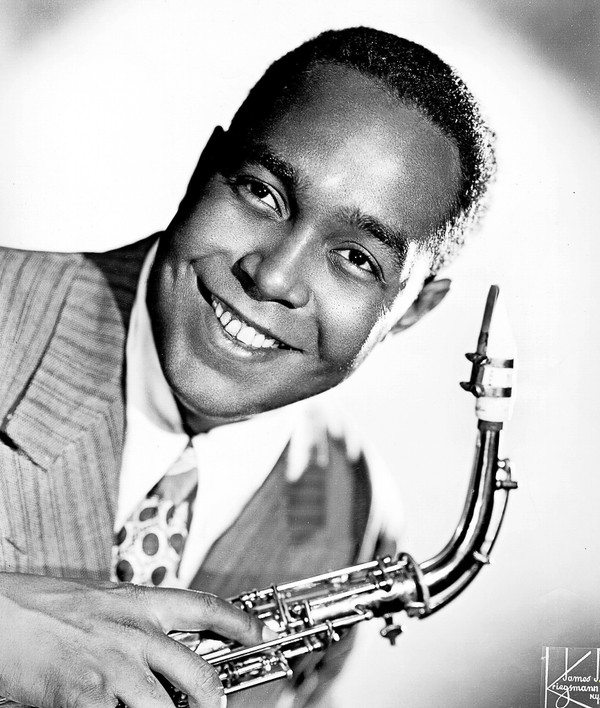
Charlie Parker
- Born:
- , Kansas City, Kansas
- Died:
- , New York City, New York
- Instrument:
- Alto Saxophone
- Notable collaborations:
- Dizzy Gillespie, Miles Davis, Max Roach, Bud Powell, Duke Jordan
- Styles:
- Bop, Contemporary Jazz, Post Bop, Swing, Hard Bop, Big Band, Cool Jazz, Latin Jazz, Fusion, Free Jazz
Best Charlie Parker Albums
Leader albums ranked by reissues and demand.
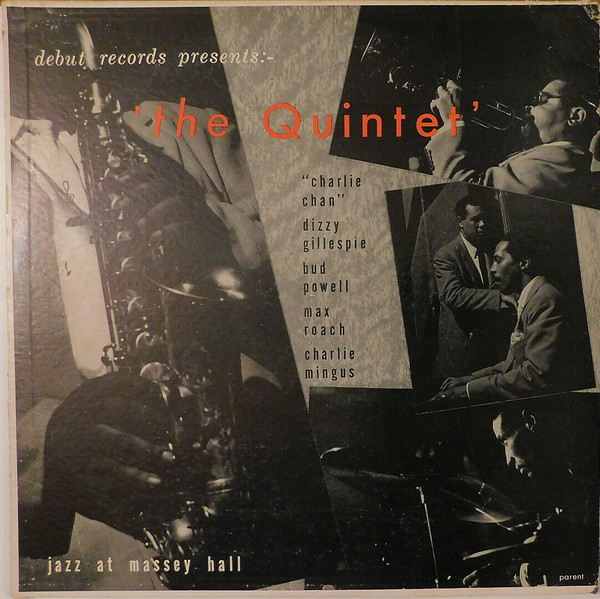
Jazz At Massey Hall
Quintet, The
1956
Debut Records
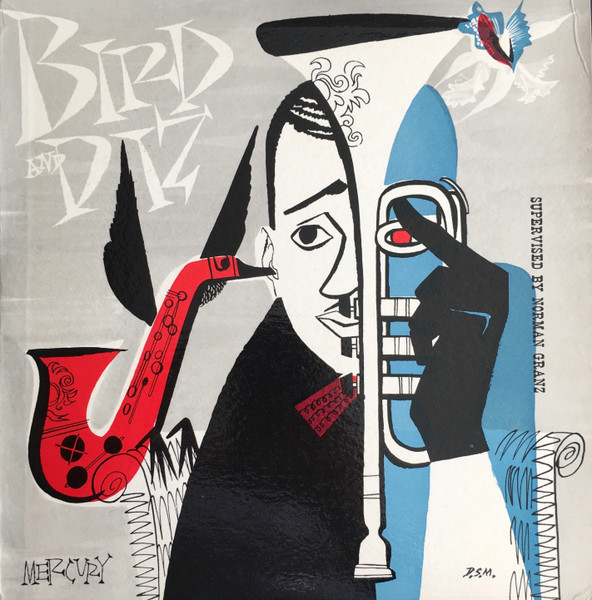
Bird And Diz
BirdAnd Dizzy Gillespie
1952
Mercury
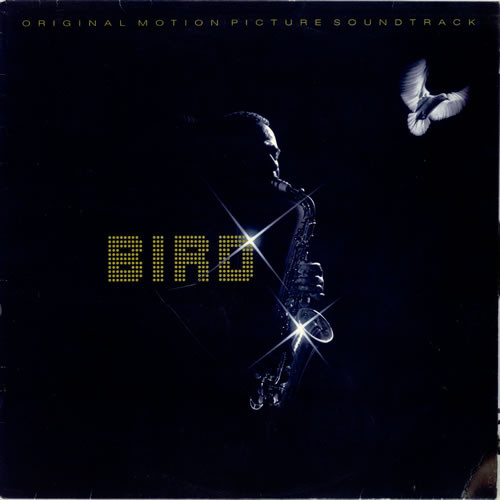
Bird (Original Motion Picture Soundtrack)
Bird
1988
Columbia
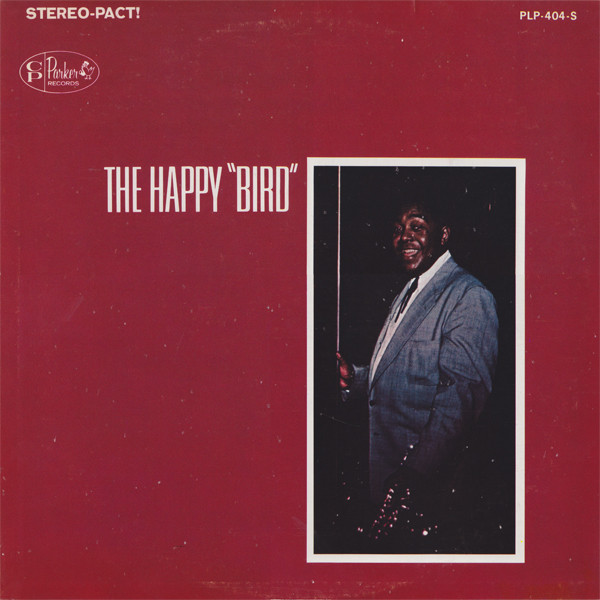
The Happy "Bird"
Charlie Parker
0
Charlie Parker Records
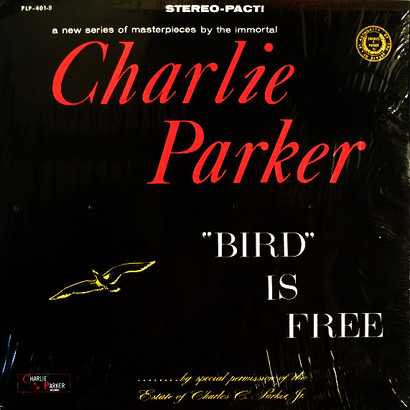
"Bird" Is Free
Charlie Parker
1961
Charlie Parker Records
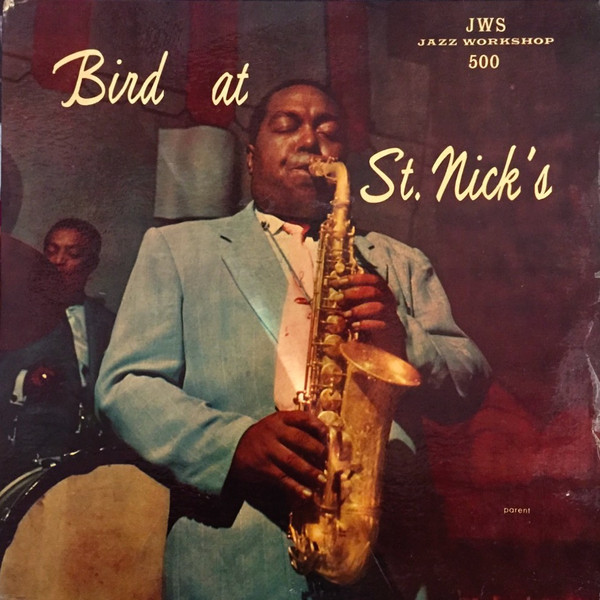
Bird At St. Nick's
Charlie Parker
1957
Jazz Workshop
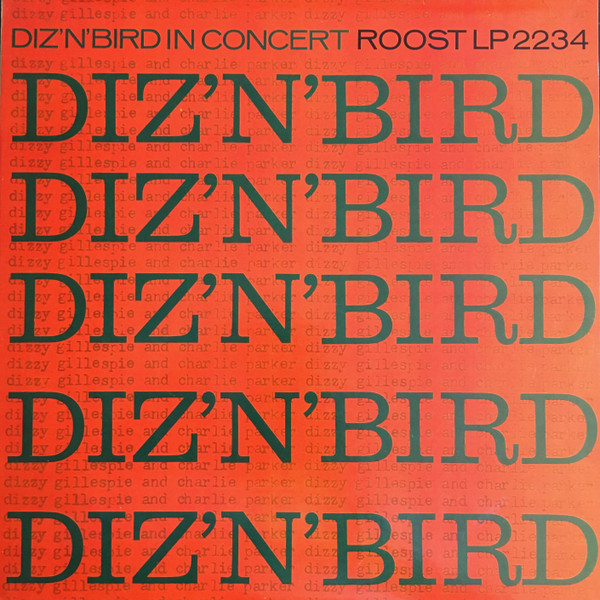
Diz 'N' Bird In Concert
Dizzy Gillespie & Charlie Parker
1959
Roost
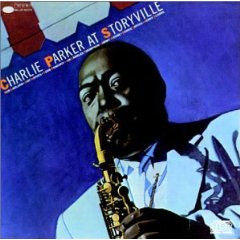
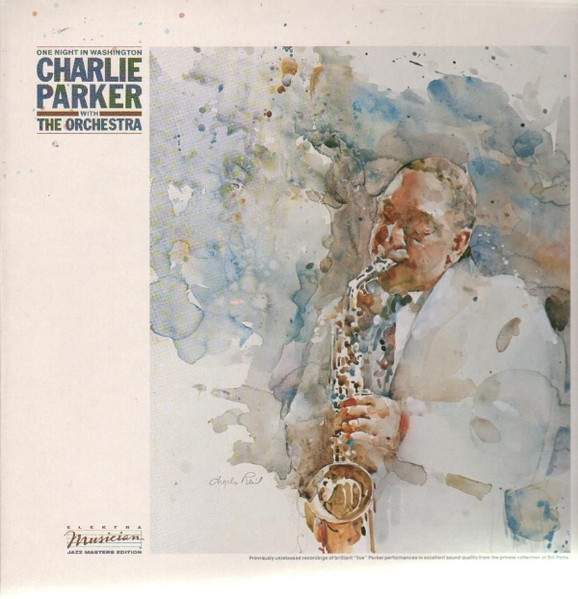
One Night In Washington
Charlie Parker With Orchestra, The
1982
Elektra Musician
Bio
Charles Christopher Parker, nicknamed “Bird” or “Yardbird,” was born in Kansas City, Kansas, on August 29, 1920. He grew up in Kansas City, Missouri, where the vibrant swing scene shaped his early musical formation. Parker received his first alto saxophone from his mother at age eleven. He initially played baritone in school before switching to alto. By fourteen, he was first-chair saxophonist in the high school band and practiced intensively, reportedly eleven to fifteen hours daily. Though largely self-taught through relentless practice and Kansas City jam sessions, Parker was mentored by seasoned musicians including Buster Smith. His early influences included tenor saxophonists Lester Young and Coleman Hawkins, and trumpeter Louis Armstrong. He left high school in 1935 to work in local ensembles.
Parker relocated to New York around 1939-1940. He joined pianist Jay McShann’s band in 1941 and made his first commercial recordings, including “Jumpin’ Blues.” These early recordings revealed his technical mastery and emerging harmonic complexity. Between 1944 and 1947, Parker became the central architect of bebop alongside trumpeter Dizzy Gillespie. Both joined Billy Eckstine’s big band in 1944, where the new style incubated among talented younger musicians. Parker’s revolutionary approach constructed intricate melodic lines over complex chord progressions, expanding ii-V-I sequences with chromatic substitutions and passing chords. He maintained fast tempos and dissonant harmonies that deliberately rejected swing’s dance-friendly predictability. A landmark recording session for Dial Records on March 28, 1946, with Gillespie, bassist Curly Russell, and drummer Max Roach produced bebop masterpieces.
Throughout the late 1940s and 1950s, Parker led quintet and sextet recordings for Savoy Records, Dial Records, Verve Records, and Mercury Records. His collaborations with Miles Davis and Dizzy Gillespie, pianists Bud Powell and Duke Jordan, and drummers Max Roach and Roy Haynes produced canonical works. “Charlie Parker with Strings” (1950) demonstrated his adaptability, integrating orchestral arrangements while preserving his harmonic innovations. Notable compositions like “Ornithology,” “Koko,” “Billie’s Bounce,” and “Parker’s Mood” became jazz standards. Parker co-founded Birdland in 1949, the legendary Manhattan jazz club that became synonymous with his artistic legacy.
Despite extraordinary musical achievement, Parker struggled with severe personal difficulties. He married four times and battled heroin and alcohol addiction from his teenage years. He attempted suicide twice and spent time in a mental hospital. Physical and mental illness prevented steady work in his final years. Parker made his last public appearance on March 4, 1955, and died eight days later on March 12 from pneumonia, cirrhosis, and heart disease. He was thirty-four years old. Parker transformed standard tunes into vehicles for sophisticated harmonic improvisation through complex melodic invention. His revolutionary approach fundamentally altered jazz and established the language still taught to musicians worldwide. He exemplified the modern jazz artist as intellectual creator rather than mere entertainer, profoundly influencing subsequent generations.
Timeline
Key Charlie Parker studio albums by decade, with the labels and styles that define each period.
| Decade | Key albums | Labels | Styles |
|---|---|---|---|
| 1950s |
| Dial Records, Mercury, Clef Records, Savoy Records | Bop |
Albums by Style
Top albums grouped by style.
Bop
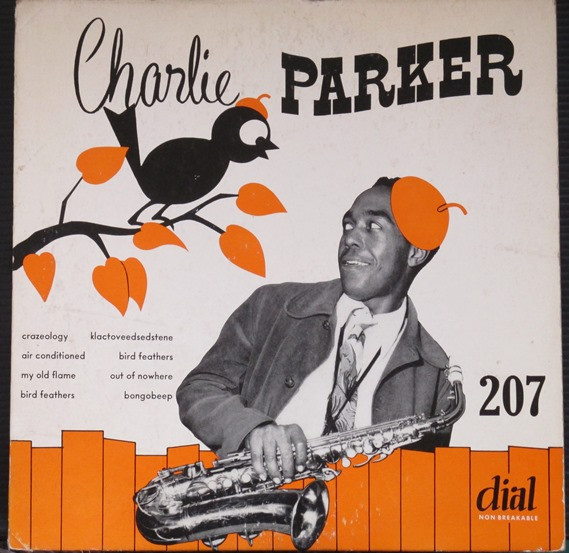
Charlie Parker Sextet
Charlie Parker
1950
Dial Records
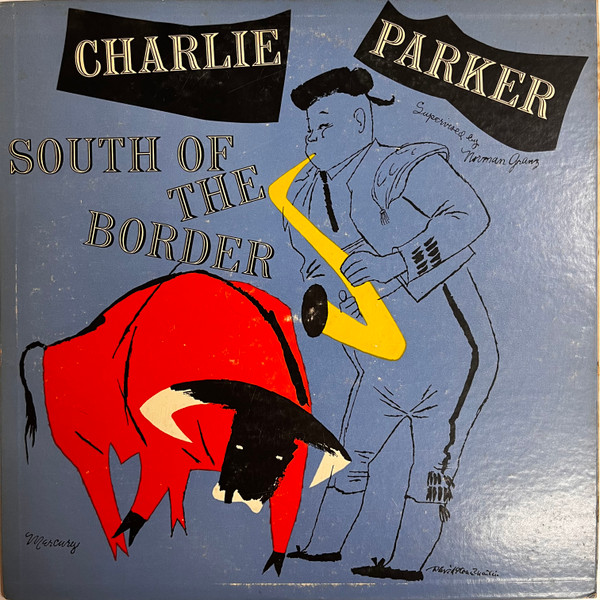
South Of The Border
Charlie Parker
1952
Mercury
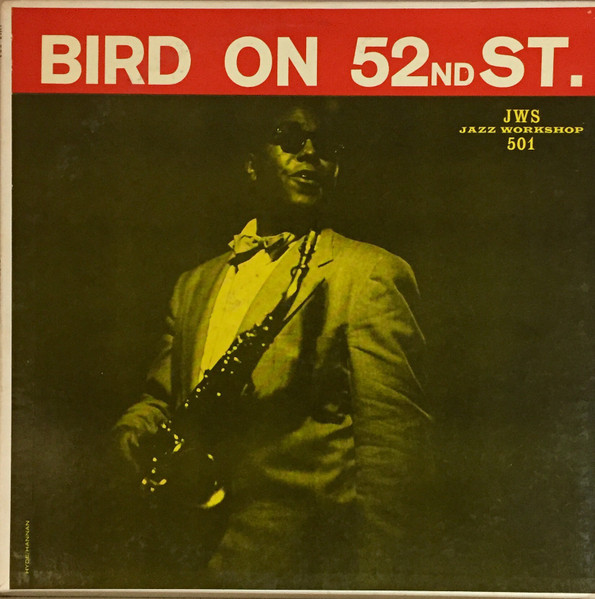
Bird On 52nd St.
Charlie Parker
1957
Jazz Workshop
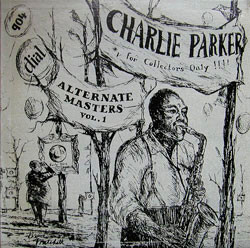
Alternate Masters Vol. 1
Charlie Parker
1951
Dial Records
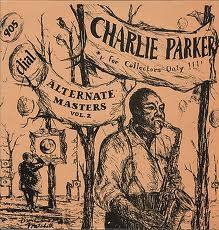
Alternate Masters Vol. 2
Charlie Parker
1954
Dial Records
Big Band
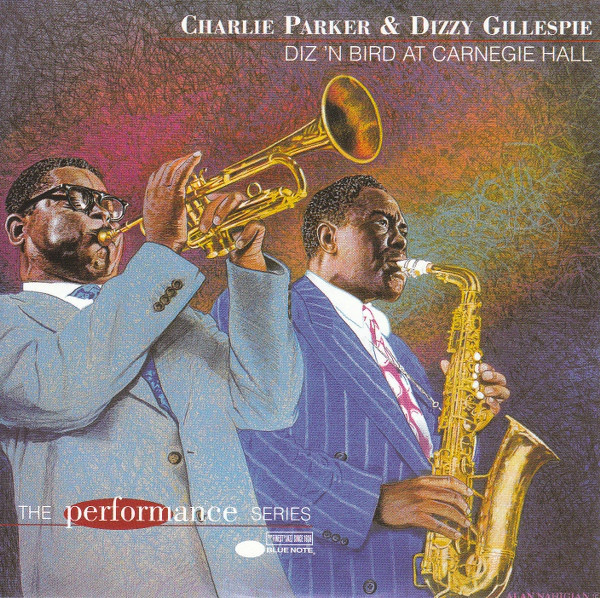
Diz 'N Bird At Carnegie Hall
Charlie Parker
1997
Roost
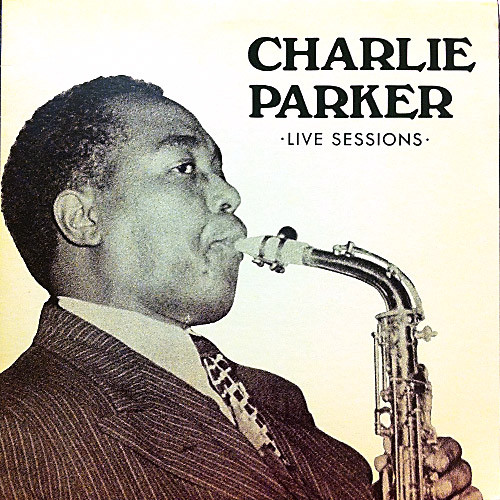
Live Sessions
Charlie Parker
1981
Phoenix 10
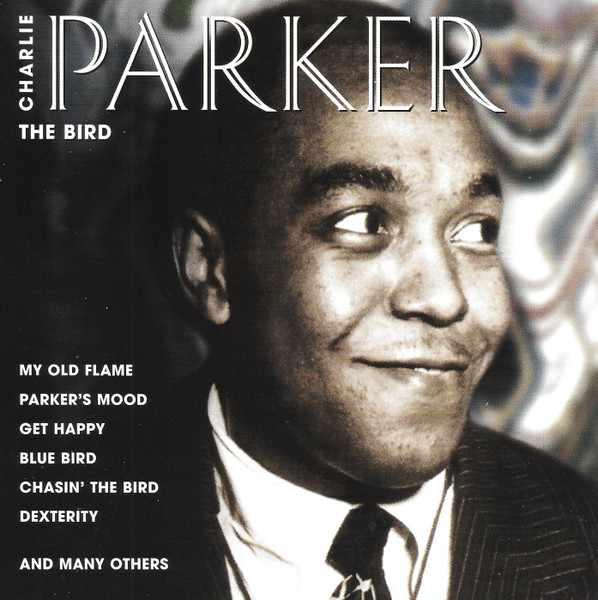
The Bird
Charlie Parker
2001
TIM The International Music Company AG
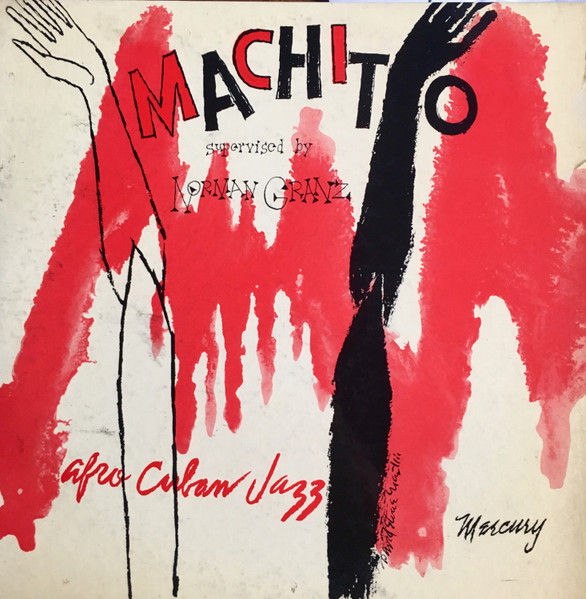
Afro-Cuban Jazz
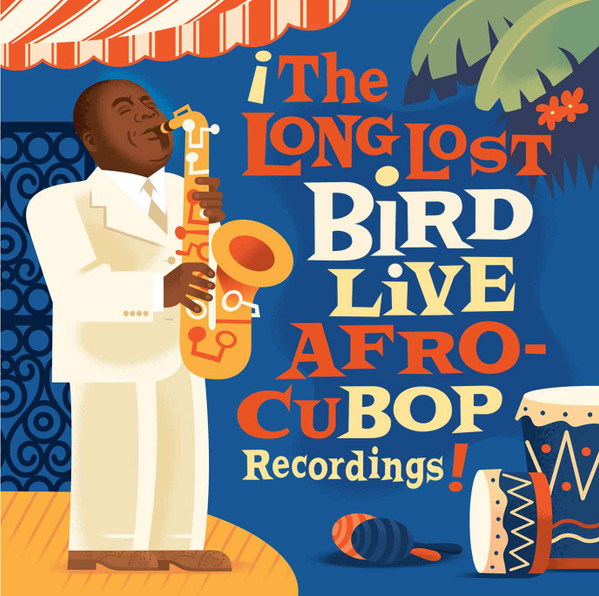
The Long Lost Bird Live Afro CuBop Recordings
Charlie Parker
2015
RockBeat Records
Similar Artists
Artists with similar styles and catalogs.
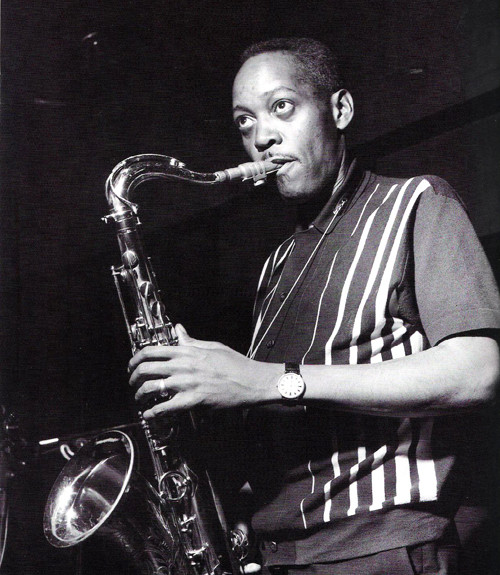
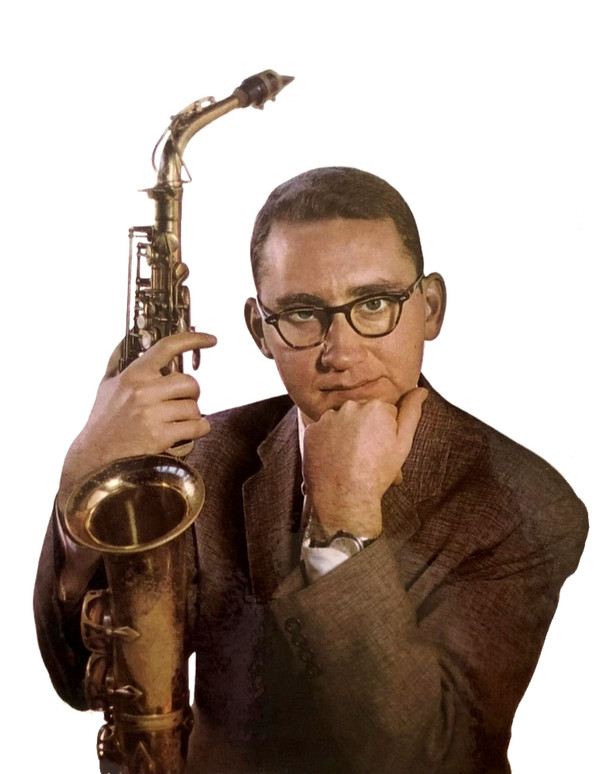
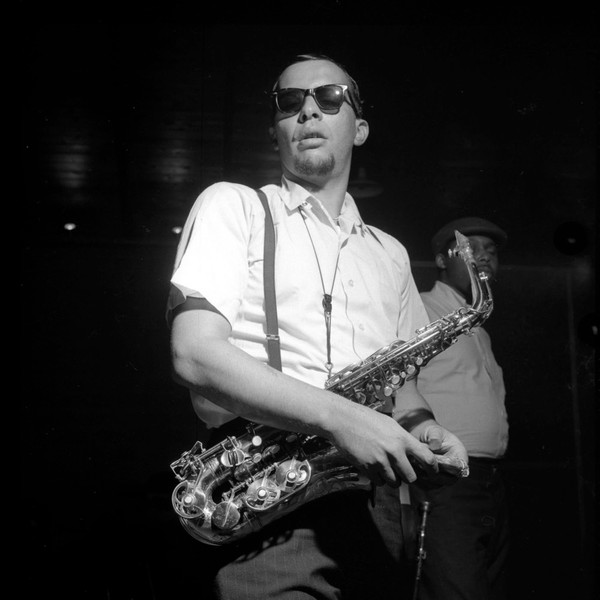
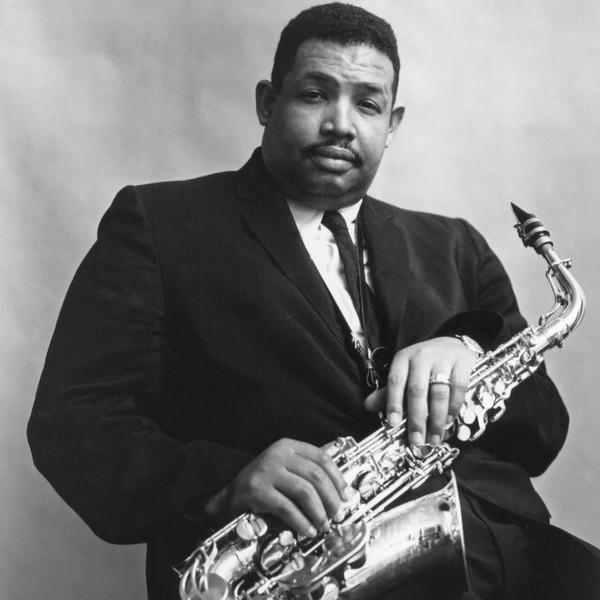
Charlie Parker Discography
Charlie Parker studio albums as leader and sideman.
Total: 3198 releases
| Artist | Album | Label | Leader/Sideman | Style | Year |
|---|---|---|---|---|---|
| Ida Cox, Lovie Austin's Blues Serenaders | Death Letter Blues / Kentucky Man Blues | Paramount | Sideman | Vocal | 1924 |
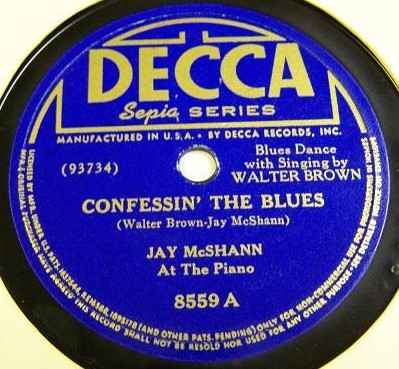
| Jay McShann, Jay McShann And His Orchestra | Confessin' The Blues / Hootie Blues | Decca | Sideman | Big Band | 1941 |
| Jay McShann | New Confessin' The Blues / Red River Blues | Decca | Sideman | Piano Blues | 1942 |
| Jay Mcshann | Cryin' Won't Make Me Stay / Baby Heart Blues | Decca | Sideman | Vocal | 1942 |
| Jay McShann And His Orchestra | Lonely Boy Blues / Sepian Bounce | Decca | Sideman | Big Band | 1942 |
| Jay McShann And His Orchestra | Get Me On Your Mind / The Jumpin' Blues | Decca | Sideman | Swing | 1943 |
| Clyde Hart All Stars | What's The Matter Now / That's The Blues | Continental | Sideman | Bop | 1945 |
| Sarah Vaughan | What More Can A Woman Do? / I'd Rather Have A Memory Than A Dream | Continental | Sideman | Bop | 1945 |
| Trummy Young All Stars | Seventh Avenue / Sorta Kinda | Continental | Sideman | Bop | 1945 |
| Dizzy Gillespie, Charlie Parker, Sidney Catlett, Al Haig, Curly Russell | Salt Peanuts / Hot House | Guild Records | Leader | Bop | 1945 |
| Charlie Parker, Tiny Grimes Quintet | Red Cross / Tiny's Tempo | Savoy Records | Leader | Bop | 1945 |
| Charlie Parker, Tiny Grimes Quintet, Tiny Grimes Quintet | Red Cross / I'll Always Love You Just The Same | Savoy Records | Leader | Bop | 1945 |
| Dizzy Gillespie, Charlie Parker, Sidney Catlett, Al Haig, Curly Russell | Lover Man / Shaw 'Nuff | Guild Records | Leader | Bop | 1945 |
| Red Norvo And His Selected Sextet | Halleluliah / "Slam Slam" Blues | Comet | Sideman | Instrumental | 1945 |
| Dizzy Gillespie | Groovin' High / Blue'N Boogie | Guild Records | Sideman | Bop | 1945 |
| Red Norvo And His Selected Sextet | Get Happy / Congo Blues | Comet | Sideman | Bop | 1945 |
| Charlie Parker's Re-Boppers | Billies Bounce / Now's The Time | Savoy Records | Sideman | 1945 | |
| Sir Charles And His All Stars | 20th Century Blues / The Street Beat | Apollo Records | Sideman | Swing | 1945 |
| The Charlie Parker Septet | Yardbird Suite / Moose The Mooche | Dial Records | Sideman | Bop | 1946 |
| Sir Charles And His All Stars | Takin' Off / If I Had You | Apollo Records | Sideman | 1946 |
Charlie Parker Collaborations
Players they worked with most often, as leader and as sideman.
As Leader
| Musician | Role | Releases |
|---|---|---|
| Max Roach | Drums | 53 |
| Tommy Potter | Bass | 44 |
| Miles Davis | Trumpet | 39 |
| Al Haig | Piano | 30 |
| Roy Haynes | Drums | 25 |
| Dizzy Gillespie | Trumpet | 24 |
| Curly Russell | Bass | 18 |
| Duke Jordan | Piano | 18 |
| Bud Powell | Piano | 15 |
| Red Rodney | Trumpet | 13 |
As Sideman
| Musician | Role | Releases |
|---|---|---|
| Max Roach | Drums | 66 |
| Miles Davis | Trumpet | 66 |
| Hank Jones | Piano | 50 |
| Dizzy Gillespie | Trumpet | 45 |
| Duke Jordan | Piano | 38 |
| Niels-Henning Ørsted Pedersen | Bass | 36 |
| Phil Woods | Alto Saxophone | 35 |
| Billy Higgins | Drums | 35 |
| Ray Brown | Bass | 34 |
| Curly Russell | Bass | 32 |
Styles & Genres Distribution
Style and genre mix across their releases.
Styles
| Style | Releases | Percentage |
|---|---|---|
| Bop | 952 | 13.7% |
| Contemporary Jazz | 371 | 5.3% |
| Post Bop | 327 | 4.7% |
| Swing | 220 | 3.2% |
| Hard Bop | 195 | 2.8% |
| Big Band | 164 | 2.4% |
| Cool Jazz | 163 | 2.3% |
| Latin Jazz | 76 | 1.1% |
| Fusion | 75 | 1.1% |
| Free Jazz | 71 | 1% |
Genres
| Genre | Releases | Percentage |
|---|---|---|
| Jazz | 2901 | 41.7% |
| Folk, World, & Country | 84 | 1.2% |
| Blues | 71 | 1% |
| Latin | 68 | 1% |
| Funk / Soul | 62 | 0.9% |
| Classical | 54 | 0.8% |
| Pop | 47 | 0.7% |
| Rock | 45 | 0.6% |
| Stage & Screen | 25 | 0.4% |
| Electronic | 20 | 0.3% |
Top Labels
Labels with the most releases in their catalog.
| Label | Releases |
|---|---|
| Verve Records | 294 |
| Not On Label | 131 |
| Blue Note | 115 |
| Savoy Records | 112 |
| Columbia | 102 |
| Prestige | 87 |
| SteepleChase | 86 |
| Savoy Jazz | 78 |
| Philology | 64 |
| Fresh Sound Records | 58 |
Key Personnel
Frequent producers, engineers, and studio credits.
| Person | Role | Releases |
|---|---|---|
| Various | Leader | 200 |
| Mark Gardner | Liner Notes | 34 |
| George Horn | Mastered By | 33 |
| Ira Gitler | Liner Notes | 28 |
| Paolo Piangiarelli | Producer | 23 |
| Miles Davis | Leader | 22 |
| Rudy Van Gelder | Lacquer Cut By | 21 |
| Rudy Van Gelder | Recorded By | 20 |
| Leonard Feather | Liner Notes | 19 |
| Nils Winther | Producer | 19 |