
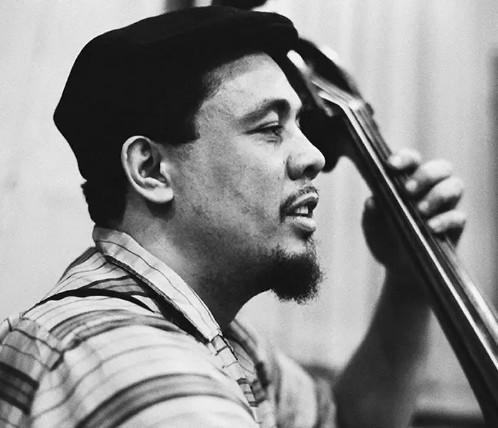
Charles Mingus
- Born:
- , Nogales, Arizona, USA
- Died:
- , Cuernavaca, Mexico
- Instrument:
- Bass
- Notable collaborations:
- Duke Ellington, Dannie Richmond, Eric Dolphy, Max Roach, Lionel Hampton
- Styles:
- Post Bop, Bop, Hard Bop, Cool Jazz, Big Band, Avant-garde Jazz, Swing, Vocal, Free Improvisation, Contemporary Jazz
Best Charles Mingus Albums
Leader albums ranked by reissues and demand.
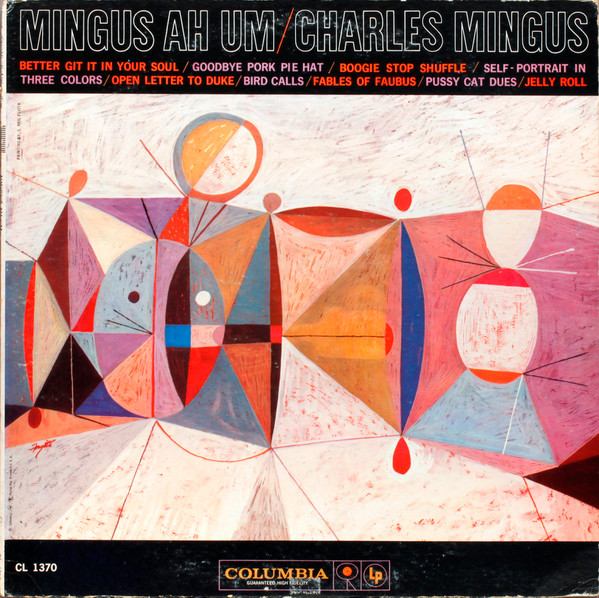
Mingus Ah Um
Charles Mingus
1959
Columbia
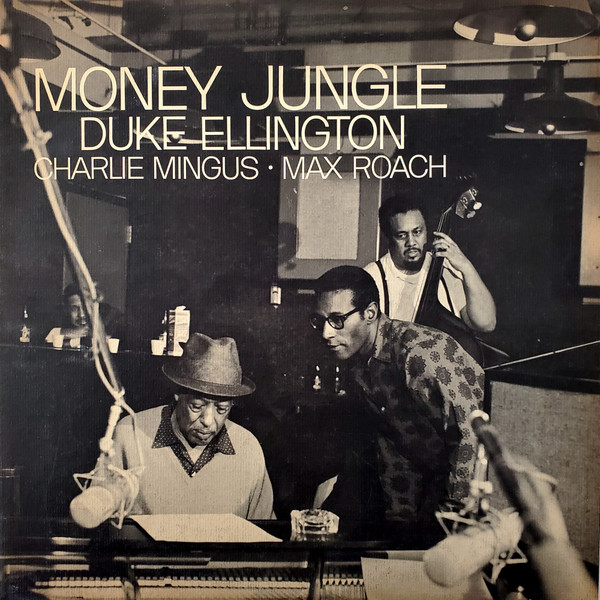
Money Jungle
Duke Ellington • Charles Mingus • Max Roach
1962
United Artists Jazz
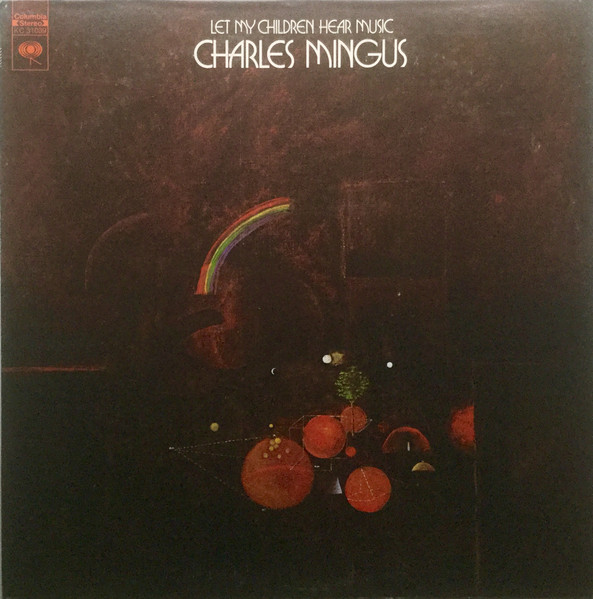
Let My Children Hear Music
Charles Mingus
1972
Columbia
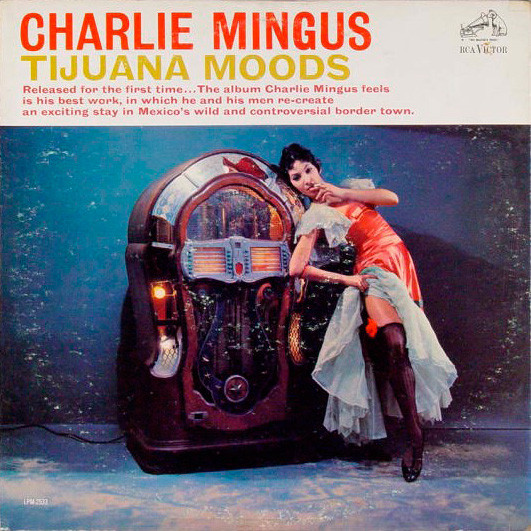
Tijuana Moods
Charles Mingus
1962
RCA Victor
Bio
Charles Mingus was born in Nogales, Arizona, on April 22, 1922. His father, Charles Mingus Sr., was a U.S. Army sergeant. His mother, Harriet Sophia Mingus, had Chinese and English heritage. She died of myocarditis just months after his birth. His stepmother raised him in the Watts neighborhood of Los Angeles but permitted only sacred music in the home. Mingus secretly listened to Duke Ellington broadcasts and became devoted to his music. He first studied trombone and cello but faced racial barriers in pursuing cello professionally. Red Callender taught him bass in the late 1930s, and he began playing in Buddy Collette’s swing band.
Mingus worked as a sideman with major jazz figures throughout the 1940s, including Louis Armstrong from 1941 to 1943 and Lionel Hampton in the late 1940s. He recorded his first compositions during his time with Hampton. From 1950 to 1951, he performed with vibraphonist Red Norvo’s trio alongside guitarist Tal Farlow, gaining national recognition. He grew frustrated with the group’s limitations and experienced racial discrimination. In 1952, Mingus co-founded Debut Records with drummer Max Roach to gain creative control of his recordings. His breakthrough as a leader came with Pithecanthropus Erectus in August 1956 on Atlantic Records. He pioneered a revolutionary method of teaching arrangements by ear rather than written notation. The album’s ten-minute title track was a tone poem depicting humanity’s rise and fall, demonstrating advanced harmonic sophistication that influenced free jazz development.
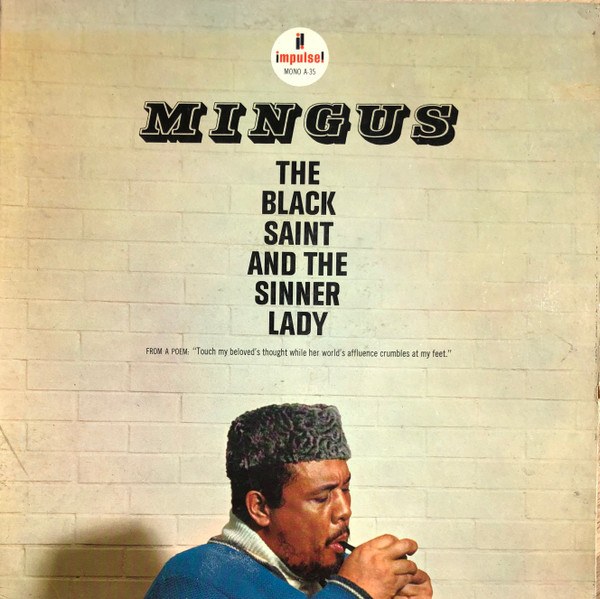
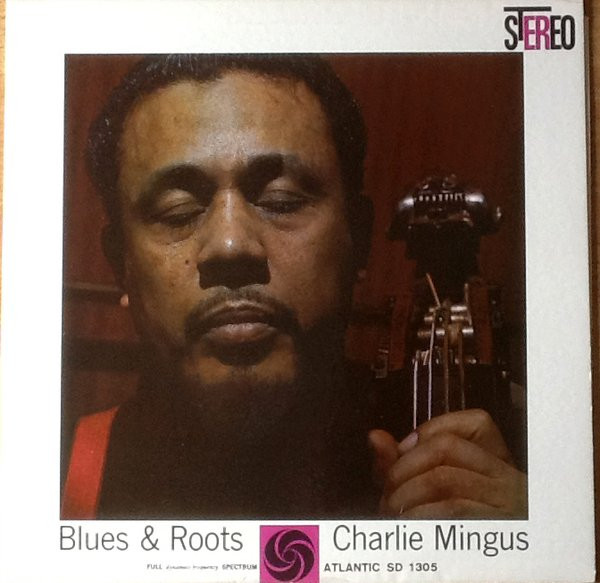
Mingus achieved commercial success with his Columbia Records releases. Mingus Ah Um appeared in 1959 with compositions including “Goodbye Pork Pie Hat,” an elegy for Lester Young, and “Fables of Faubus,” which attacked Arkansas governor Orval Faubus’s segregationism. The Black Saint and the Sinner Lady followed in 1963, utilizing orchestration and overdubbing to create a multi-movement jazz ballet. Drummer Dannie Richmond joined his ensemble in 1957 and remained an essential partner until Mingus’s death. Eric Dolphy collaborated on alto saxophone, flute, and bass clarinet from 1960 to 1964. Money Jungle in 1962 featured Duke Ellington and Max Roach as co-leaders. Blues & Roots in 1960 grounded his harmonic language in gospel and blues traditions.
Mingus’s later work pursued increasingly ambitious orchestral arrangements. Let My Children Hear Music appeared in 1972 and showcased large ensemble writing and harmonic complexity. His 1971 autobiography, Beneath the Underdog, presented unfiltered personal narrative and musical philosophy. He received an amyotrophic lateral sclerosis diagnosis in the mid-1970s and gradually lost physical capacity. Despite his condition, Mingus continued composing through vocal dictation into tape recorders. He collaborated with singer Joni Mitchell on the album Mingus in 1979 despite deteriorating health. Mingus died on January 5, 1979, in Cuernavaca, Mexico, at age 56. His ashes were scattered in India’s Ganges River. After his death, ensembles including Mingus Big Band, founded in 1991, sustained his legacy. His composition Epitaph, a 4,000-measure work, premiered under conductor Gunther Schuller in 1989 and demonstrated the scope of his vision. Mingus composed over 300 scores and recorded over 100 albums, bridging bebop and free jazz while synthesizing gospel, blues, and classical elements.
Timeline
Key Charles Mingus studio albums by decade, with the labels and styles that define each period.
| Decade | Key albums | Labels | Styles |
|---|---|---|---|
| 1950s |
| Debut Records, Jubilee, Atlantic, United Artists Records, Columbia | Hard Bop, Post Bop, Bop |
| 1960s |
| Atlantic, United Artists Jazz, Impulse! | Post Bop, Big Band, Hard Bop, Avant-garde Jazz |
| 1970s |
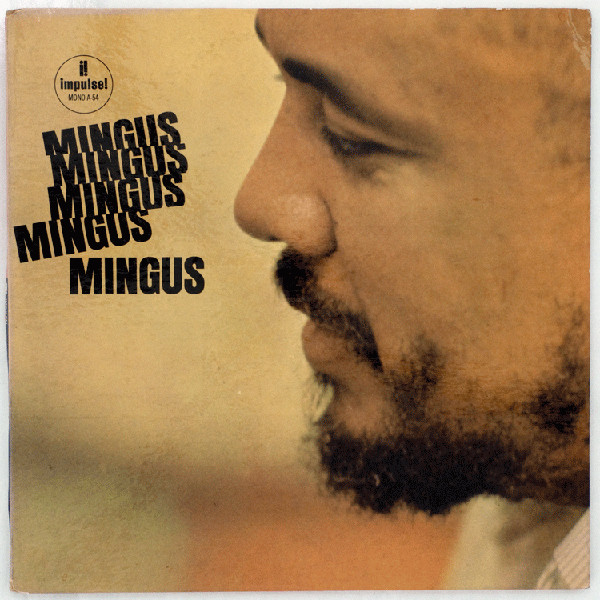
| Columbia, Atlantic | Post Bop, Avant-garde Jazz, Big Band, Latin Jazz |
Albums by Style
Top albums grouped by style.
Post Bop
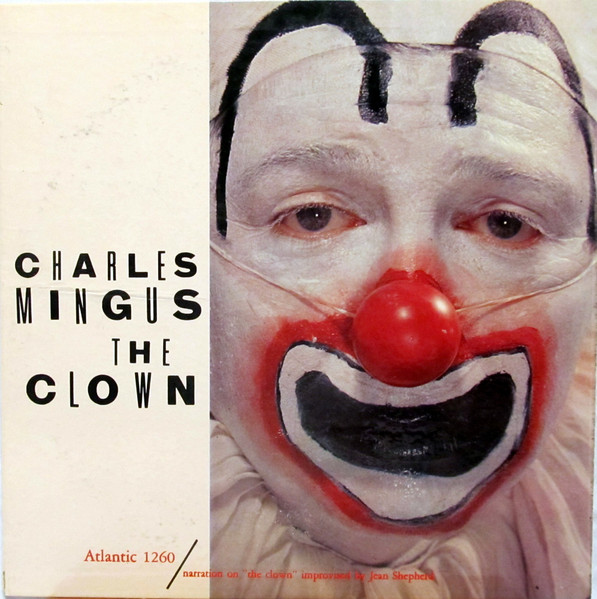
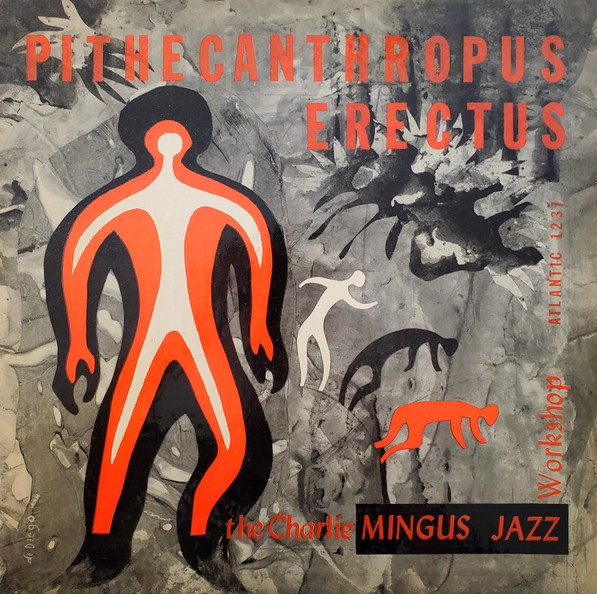
Let My Children Hear Music
Charles Mingus
1972
Columbia
Hard Bop
Mingus Ah Um
Charles Mingus
1959
Columbia
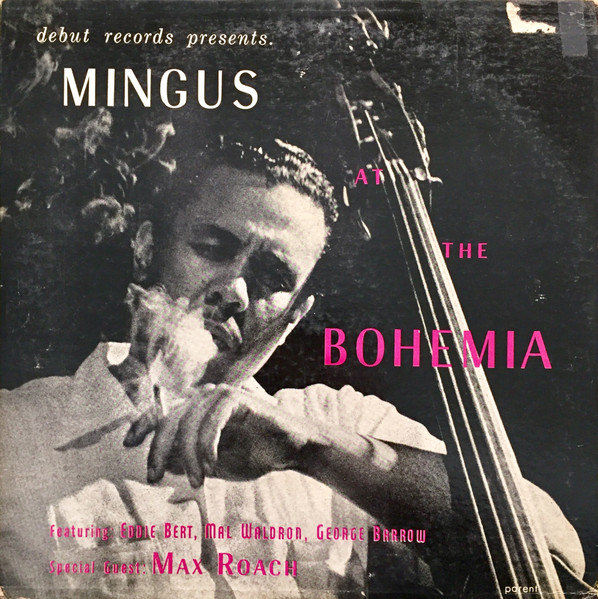
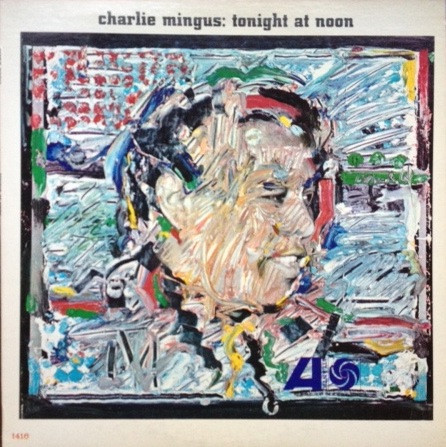
Mingus At The Bohemia
Charles Mingus
1956
Debut Records
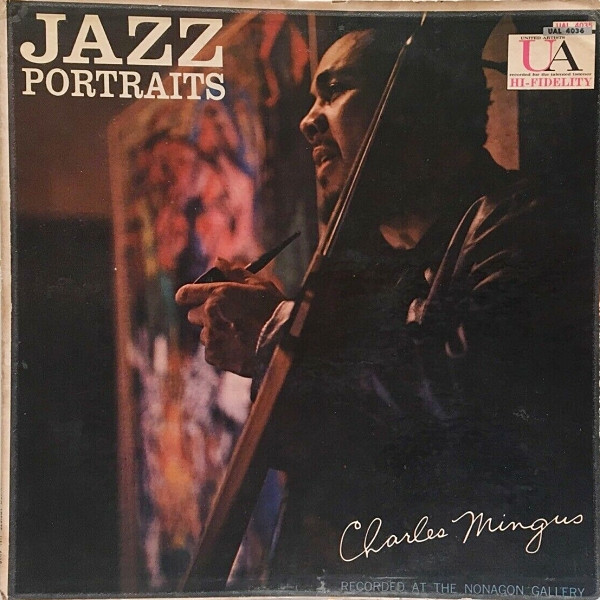
Jazz Portraits
Charles Mingus
1959
United Artists Records
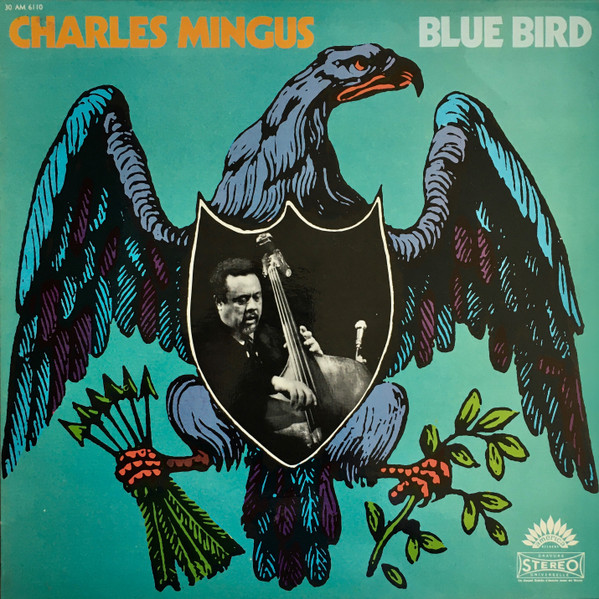
Blue Bird
Charles Mingus
1971
America Records
Bop
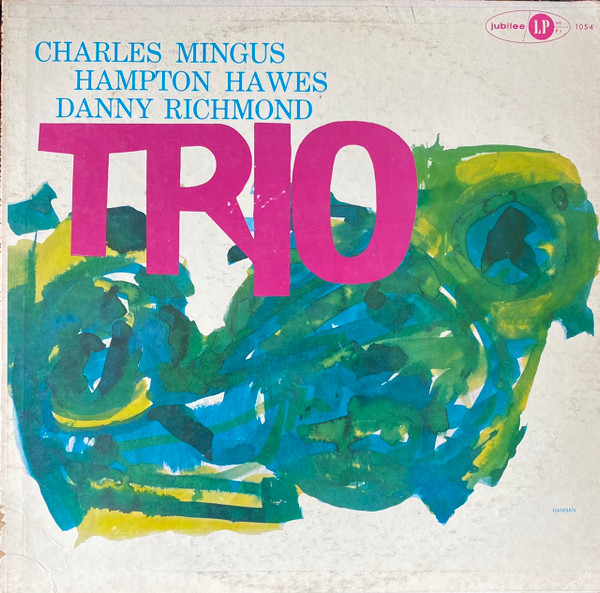
Mingus Three
Charles Mingus
1957
Jubilee
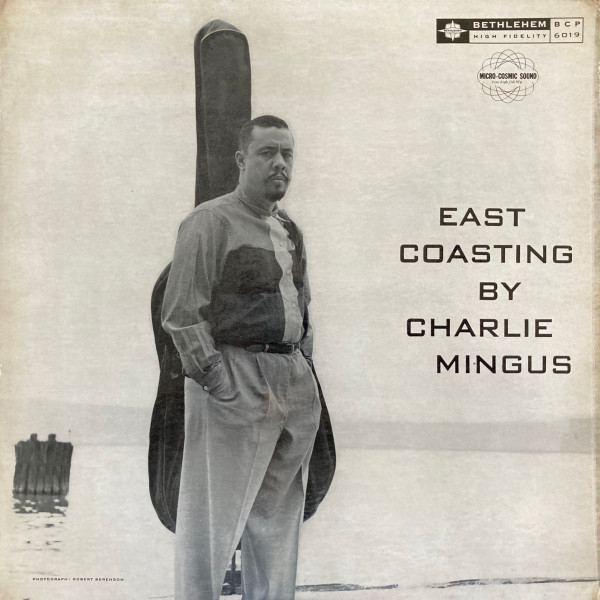
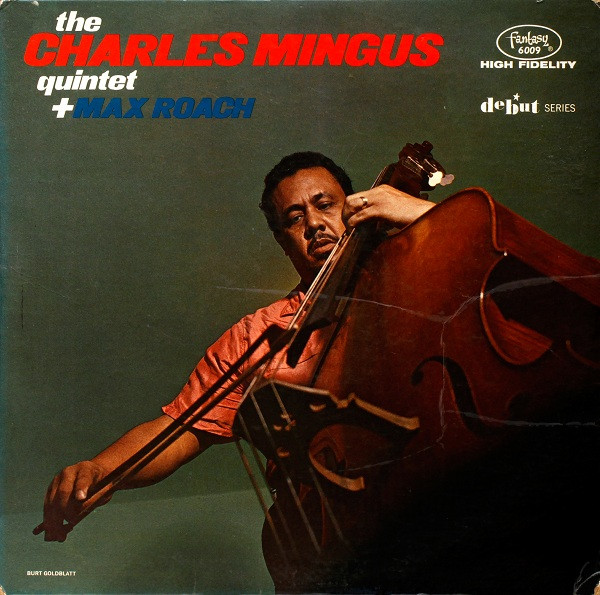
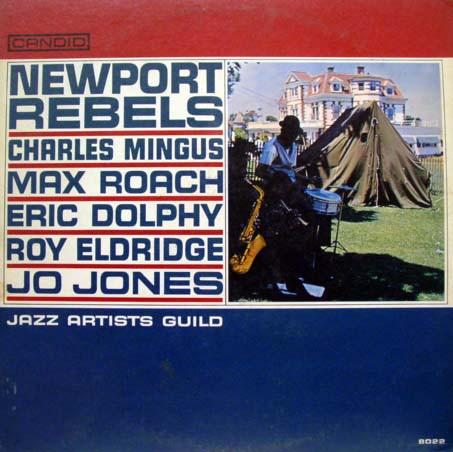
The Charles Mingus Quintet + Max Roach
The Charles Mingus Quintet
1963
Fantasy
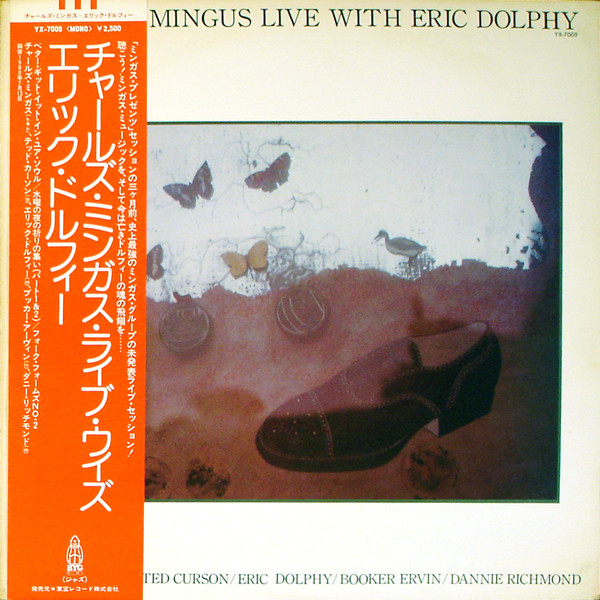
Charles Mingus Live With Eric Dolphy
Charles Mingus
1976
BYG Records
Similar Artists
Artists with similar styles and catalogs.
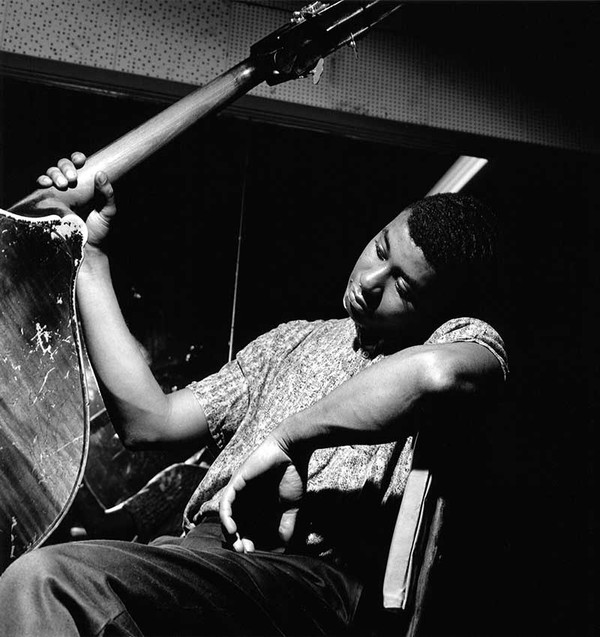
Charles Mingus Discography
Charles Mingus studio albums as leader and sideman.
Total: 101 releases
| Artist | Album | Label | Leader/Sideman | Style | Year |
|---|---|---|---|---|---|
| J.J. Johnson, Kai Winding, Bennie Green, Willie Dennis | Debut Records' Jazz Workshop, Volume One: Trombone Rapport | Debut Records | Sideman | Cool Jazz | 1953 |
| Teo Macero | Explorations | Debut Records | Sideman | Post Bop | 1953 |
| John Mehegan, Charles Mingus | From Barrelhouse To Bop (A History Of Jazz Piano) | Perspective Records | Leader | Ragtime | 1953 |
| The Quintet | Jazz At Massey Hall Volume One | Debut Records | Sideman | Bop | 1953 |
| The Quintet | Jazz At Massey Hall Volume Three | Debut Records | Sideman | Bop | 1953 |
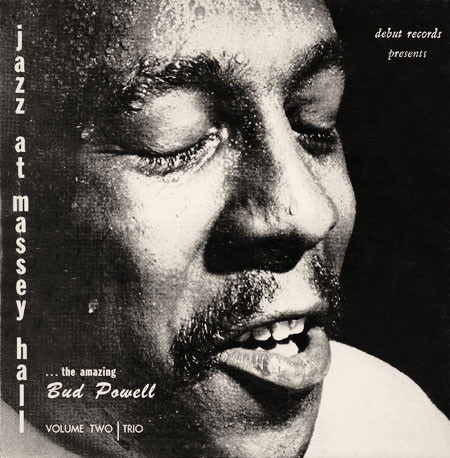
| The Bud Powell Trio | Jazz At Massey Hall Volume Two | Debut Records | Sideman | Bop | 1953 |
| Billy Taylor Trio | Jazz At Storyville Volume 2 | Roost | Sideman | Bop | 1953 |
| Sonny Stitt | Playing Arrangements From The Pen Of Johnny Richards | Roost | Sideman | Bop | 1953 |
| Strings And Keys | Strings And Keys | Debut Records | Sideman | Cool Jazz | 1953 |
| The New Oscar Pettiford Sextet | The New Oscar Pettiford Sextet | Debut Records | Sideman | Bop | 1953 |
| Paul Bley, Charles Mingus, Art Blakey | Introducing Paul Bley | Debut Records | Leader | Hard Bop | 1954 |
| J.J. Johnson, Kai Winding | Jay & Kai | Savoy Records | Sideman | 1954 | |
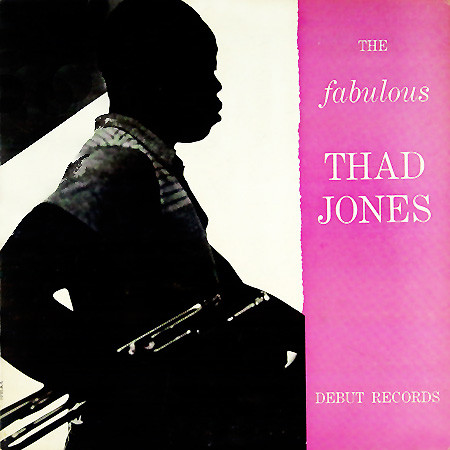
| Thad Jones | The Fabulous Thad Jones | Debut Records | Sideman | Bop | 1954 |
| Miles Davis | Blue Moods | Debut Records | Sideman | Cool Jazz | 1955 |
| Dinah Washington | Dinah Washington Sings The Blues | Grand Award | Sideman | Rhythm & Blues | 1955 |
| Ralph Sharon's All-Star Sextet | Easy Jazz | London Records | Sideman | 1955 | |
| Hazel Scott | Relaxed Piano Moods | Debut Records | Sideman | Bop | 1955 |
| Rex Stewart, Illinois Jacquet And His All Stars | Rex Stewart Plays Duke Ellington | Grand Award | Sideman | 1955 | |
| Teddy Charles New Directions Quartet, J.R. Monterose | Teddy Charles N. D. Quartet | New Jazz | Sideman | Cool Jazz | 1955 |
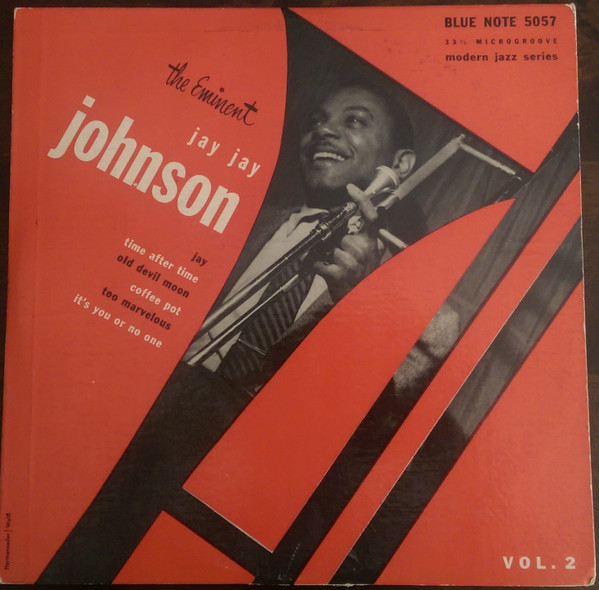
| J.J. Johnson | The Eminent Jay Jay Johnson Vol. 2 | Blue Note | Sideman | Bop | 1955 |
Charles Mingus Collaborations
Players they worked with most often, as leader and as sideman.
As Leader
| Musician | Role | Releases |
|---|---|---|
| Dannie Richmond | Drums | 72 |
| Jaki Byard | Piano | 28 |
| Eric Dolphy | Alto Saxophone | 26 |
| Charles McPherson | Alto Saxophone | 25 |
| Jimmy Knepper | Trombone | 21 |
| Clifford Jordan | Tenor Saxophone | 19 |
| Jack Walrath | Trumpet | 18 |
| Eric Dolphy | Flute | 17 |
| Booker Ervin | Tenor Saxophone | 15 |
| Eric Dolphy | Bass Clarinet | 13 |
As Sideman
| Musician | Role | Releases |
|---|---|---|
| Dannie Richmond | Drums | 25 |
| Jack Walrath | Trumpet | 20 |
| Randy Brecker | Trumpet | 19 |
| Tal Farlow | Guitar | 18 |
| Kenny Clarke | Drums | 17 |
| Lucky Thompson | Tenor Saxophone | 16 |
| Karl George | Trumpet | 16 |
| Red Norvo | Vibraphone | 15 |
| Jaki Byard | Piano | 14 |
| Wilbert Baranco | Piano | 14 |
Styles & Genres Distribution
Style and genre mix across their releases.
Styles
| Style | Releases | Percentage |
|---|---|---|
| Post Bop | 47 | 46.5% |
| Bop | 30 | 29.7% |
| Hard Bop | 17 | 16.8% |
| Cool Jazz | 11 | 10.9% |
| Big Band | 5 | 5% |
| Avant-garde Jazz | 4 | 4% |
| Swing | 2 | 2% |
| Vocal | 2 | 2% |
| Free Improvisation | 2 | 2% |
| Contemporary Jazz | 2 | 2% |
Genres
| Genre | Releases | Percentage |
|---|---|---|
| Jazz | 101 | 100% |
| Blues | 2 | 2% |
| Non-Music | 1 | 1% |
| Electronic | 1 | 1% |
| Hip Hop | 1 | 1% |
Top Labels
Labels with the most releases in their catalog.
| Label | Releases |
|---|---|
| Debut Records | 16 |
| Atlantic | 13 |
| Savoy Records | 6 |
| Candid | 5 |
| Columbia | 4 |
| Blue Note | 3 |
| Impulse! | 3 |
| Charles Mingus | 3 |
| Ulysse Musique | 3 |
| Roost | 2 |
Key Personnel
Frequent producers, engineers, and studio credits.
| Person | Role | Releases |
|---|---|---|
| Various | Leader | 100 |
| Rudy Van Gelder | Engineer | 15 |
| Nat Hentoff | Liner Notes | 13 |
| Charlie Parker | Leader | 12 |
| Miles Davis | Leader | 11 |
| Sue Mingus | Producer | 9 |
| Nils Winther | Producer | 9 |
| George Piros | Lacquer Cut By | 8 |
| Bernie Grundman | Mastered By | 8 |
| Giovanni Bonandrini | Producer | 8 |