
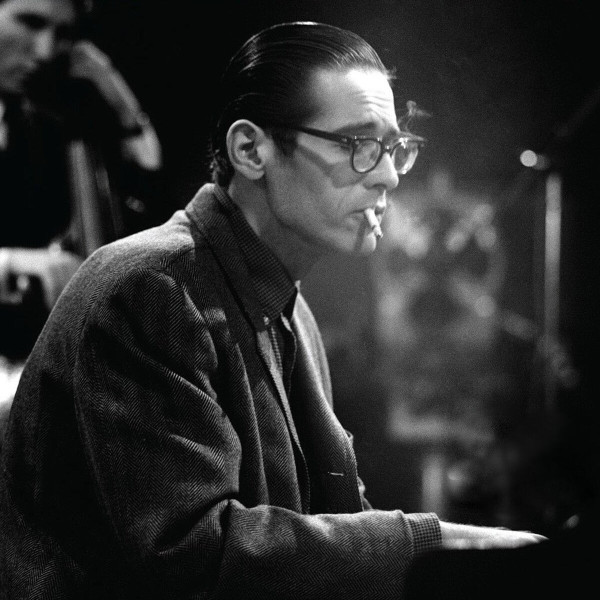
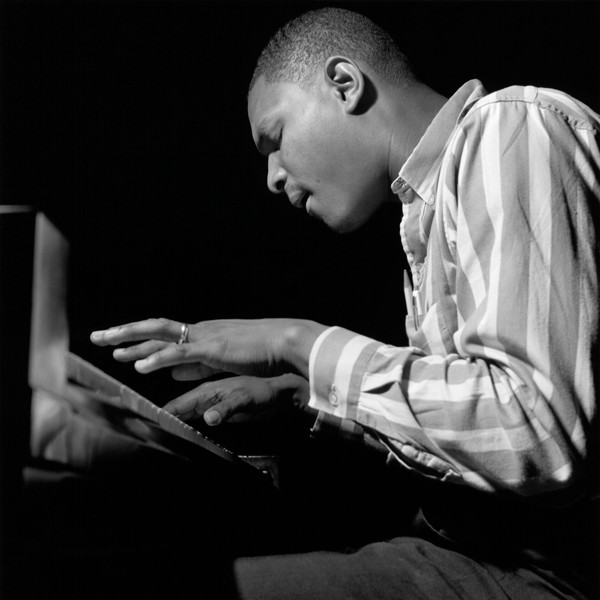
Bill Evans
- Born:
- , Plainfield, New Jersey, United States
- Died:
- , New York, New York, United States
- Instrument:
- Piano
- Notable collaborations:
- Miles Davis, John Coltrane, Cannonball Adderley, Scott LaFaro, Paul Motian
- Styles:
- Post Bop, Modal, Cool Jazz, Bop, Hard Bop, Vocal, Contemporary Jazz, Big Band, Fusion, Soundtrack
Best Bill Evans Albums
Leader albums ranked by reissues and demand.
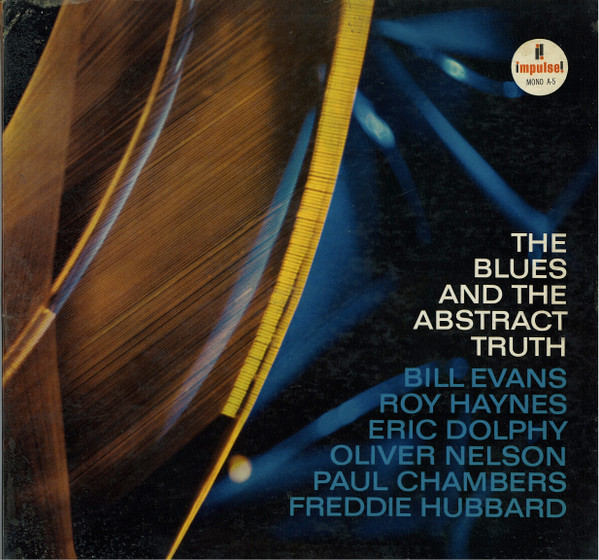
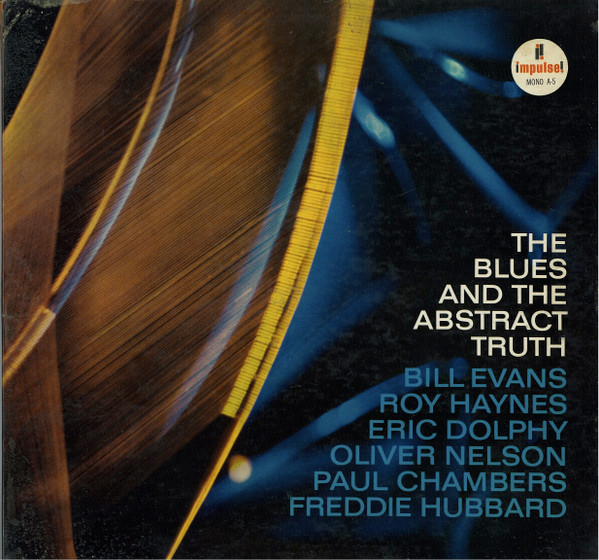
The Blues And The Abstract Truth
Bill Evans, Roy Haynes, Eric Dolphy, Oliver Nelson, Paul Chambers, Freddie Hubbard
1961
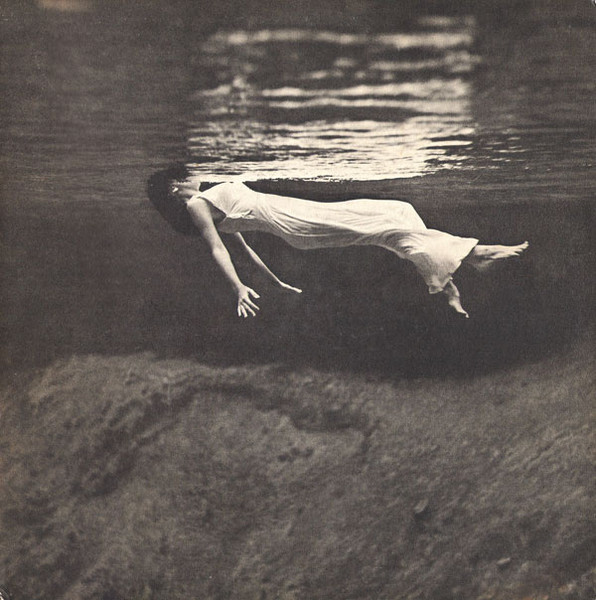
Undercurrent
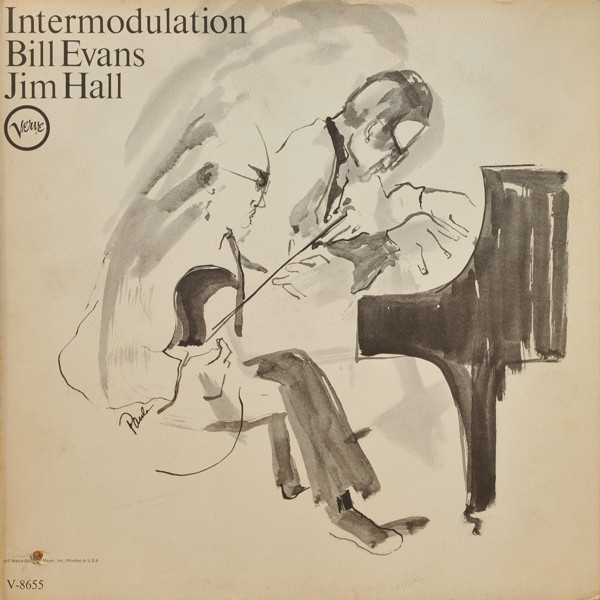
Bill Evans - Jim Hall
1962
United Artists Jazz
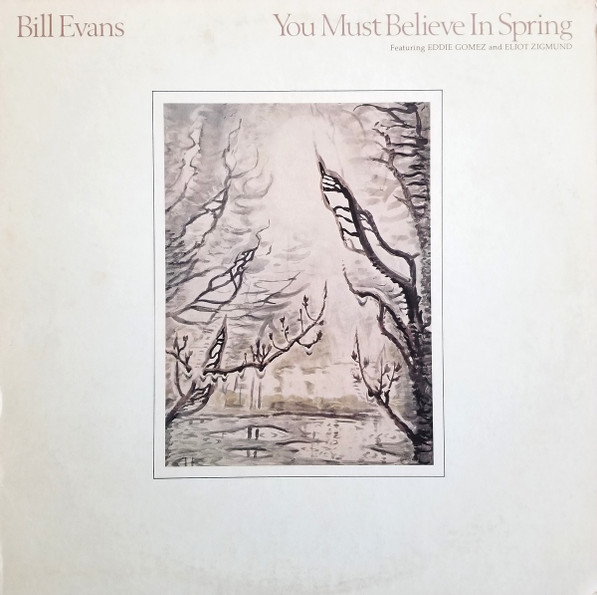
You Must Believe In Spring
Bill Evans
1981
Warner Bros. Records
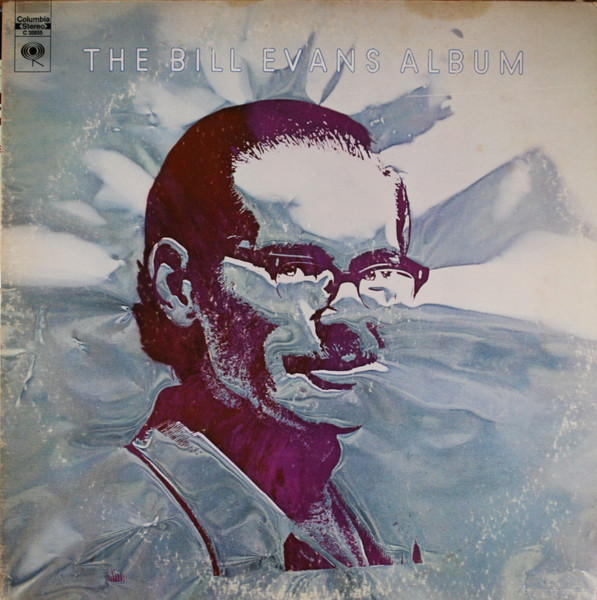
The Bill Evans Album
Bill Evans
1971
Columbia
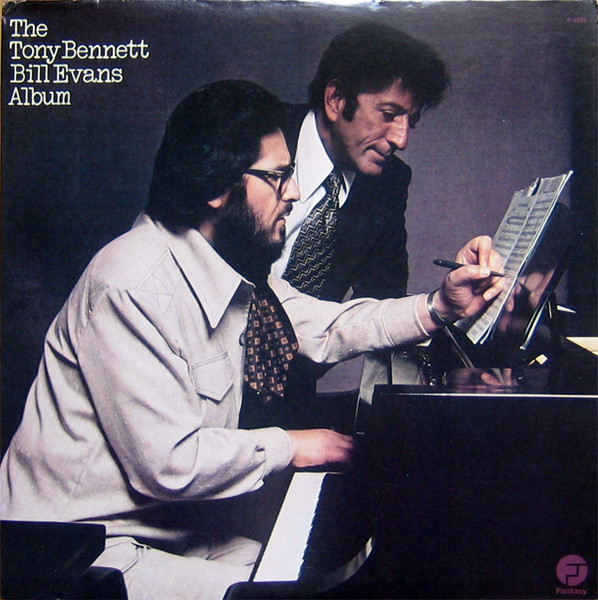
The Tony Bennett Bill Evans Album
Tony Bennett / Bill Evans
1975
Fantasy
Bio
William John Evans was born on August 16, 1929, in Plainfield, New Jersey. His mother, an amateur pianist, introduced him to music through church lessons. Evans began piano instruction at age six after listening to his older brother’s lessons. During high school, he encountered Stravinsky’s Petrushka and Milhaud’s Suite provençale, which opened him to new harmonic possibilities. He made his first public appearance at age twelve, substituting for a pianist in Buddy Valentino’s rehearsal band. Evans graduated from North Plainfield High School in 1946 and attended Southeastern Louisiana University on a music scholarship. There he studied classical piano and composed early works including ‘Very Early’ and ‘Peace Piece.’ He graduated in 1950 with degrees in piano performance and music education, then served three years in the military with the Ninth Army Band before relocating to New York City in the mid-1950s.
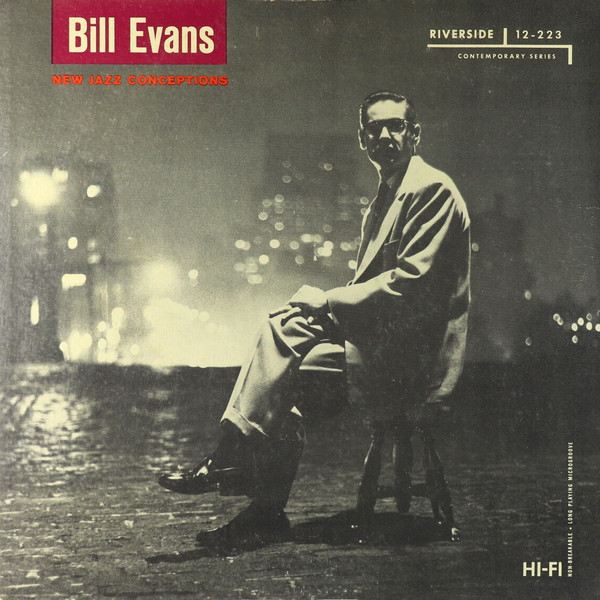
In New York, Evans worked with guitarist Mundell Lowe and studied harmonic theory with composer George Russell. He recorded his debut album, New Jazz Conceptions, for Riverside Records on September 27, 1956, at age twenty-seven. This album established his lyrical, impressionistic style influenced by Debussy and Ravel while rejecting bebop’s complexity in favor of melodic subtlety. Miles Davis hired Evans to join his sextet in April 1958. The band included John Coltrane on tenor saxophone, Cannonball Adderley on alto saxophone, Paul Chambers on bass, and Philly Joe Jones on drums. Evans left in November 1958 due to burnout and his father’s illness. Davis recruited him again in early 1959 to contribute to Kind of Blue, recorded on March 2 and April 22, 1959, at Columbia’s 30th Street Studio. Evans played piano on most tracks, though Wynton Kelly appeared on ‘Freddie Freeloader.’ His sensitive harmonic approach profoundly influenced Davis’s compositional direction. Evans later received co-credit for ‘Blue in Green,’ formally acknowledged by the Davis estate in 2002. Kind of Blue became the best-selling jazz album of all time.
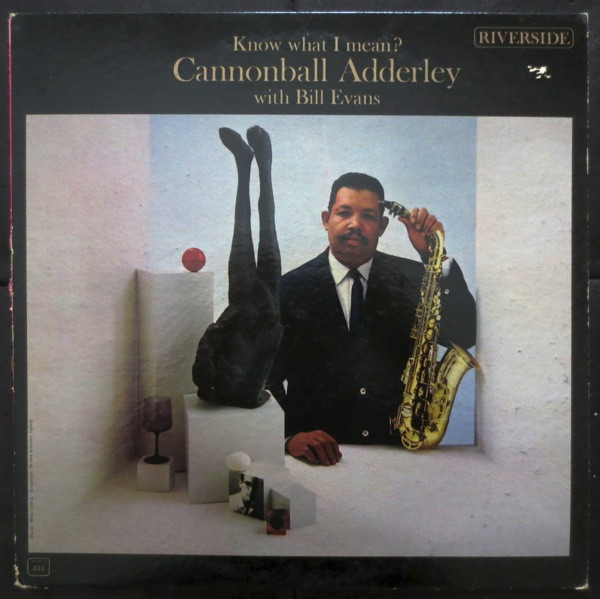
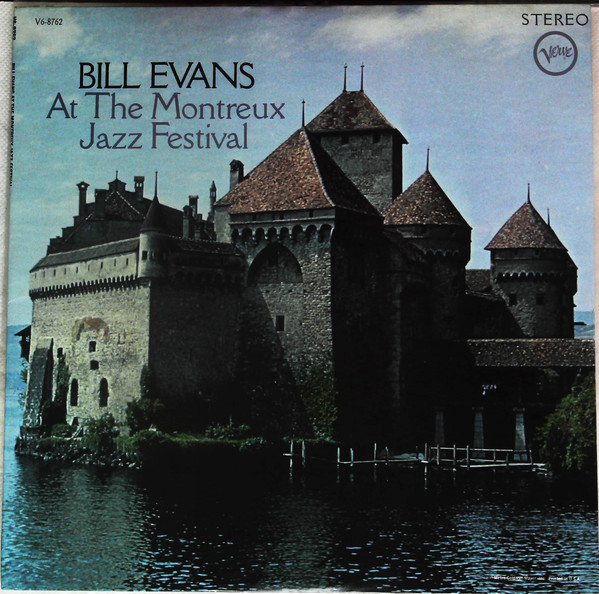
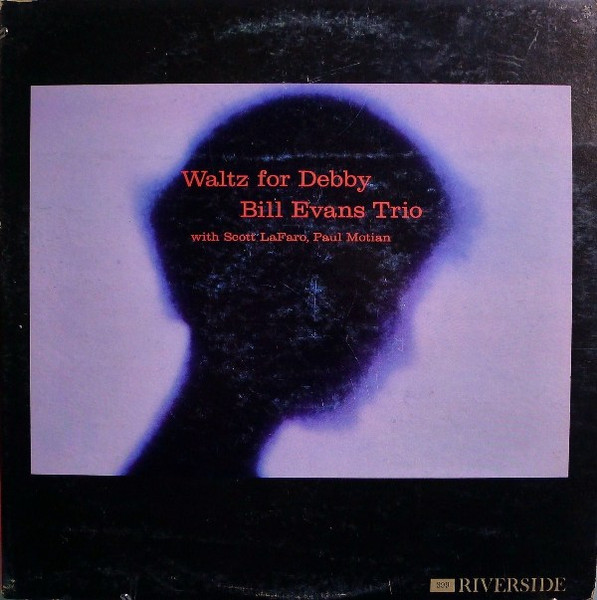
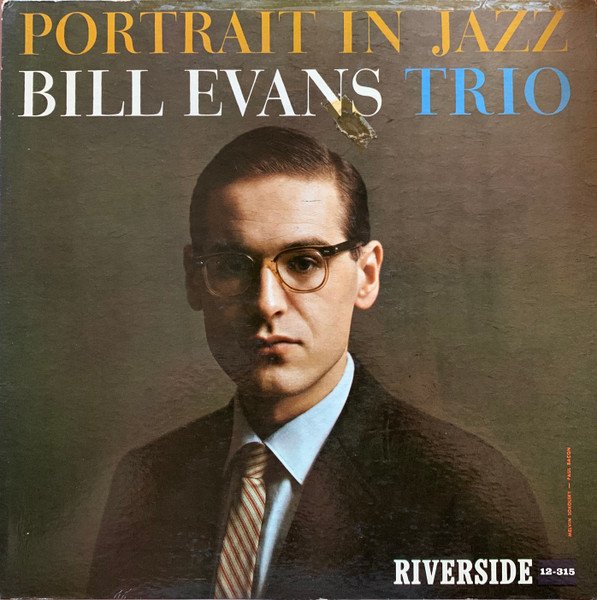
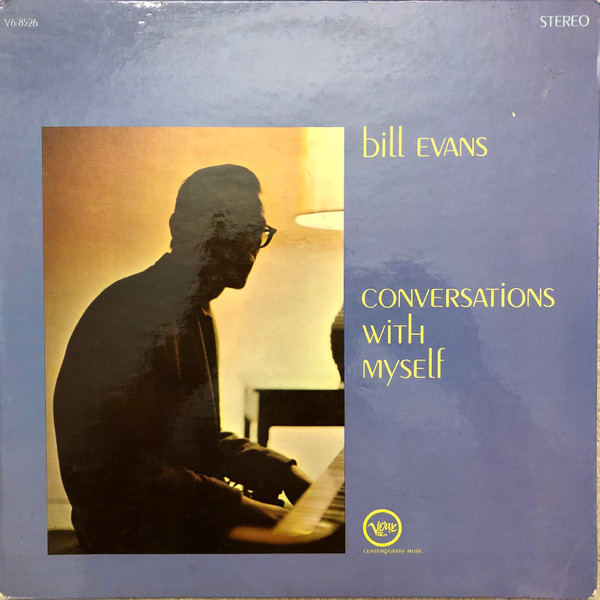
Evans formed his definitive trio in 1959 with bassist Scott LaFaro and drummer Paul Motian. In June 1961, they recorded two albums for Riverside Records: Sunday at the Village Vanguard and Waltz for Debby. These live sessions pioneered a democratic trio format where each member could initiate musical direction with equal voice. Ten days after the Vanguard sessions, on June 10, 1961, LaFaro was killed in a car accident at age twenty-five. This devastated Evans both personally and artistically. Despite struggling with heroin addiction, he returned to recording under producer Orrin Keepnews’s encouragement. His output during the 1960s remained prolific, including Conversations with Myself (1963), an innovative overdubbed solo work. Evans collaborated with guitarist Jim Hall on Undercurrent (1962) and saxophonist Cannonball Adderley on Know What I Mean? (1962). Verve Records became his primary label, though he also recorded for Riverside Records and Blue Note. Evans won Grammy Awards for Bill Evans at the Montreux Jazz Festival (1968) and The Bill Evans Album (1971).
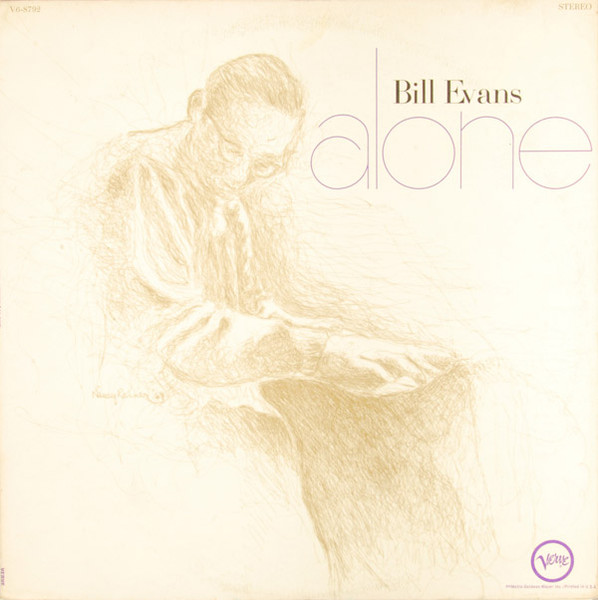
From 1966 onwards, Evans collaborated with bassist Eddie Gomez for eleven years, recording extensively with drummers including Paul Motian, Marty Morell, and Joe LaBarbera. This period saw him explore electric piano on From Left to Right (1970) and The Bill Evans Album (1971), though he remained primarily an acoustic pianist. His solo recordings included Alone (1968). Evans also recorded with singers such as Tony Bennett on The Tony Bennett Bill Evans Album (1975). In 1973, he married Nenette Zazzara and had a son, Evan. The family settled in Closter, New Jersey. Despite recurring battles with drug addiction and hepatitis, Evans maintained a demanding recording schedule and continued performing in clubs and festivals. His final recordings with bassist Marc Johnson and drummer Joe LaBarbera captured an increasingly ornate playing style. Bill Evans died on September 15, 1980, in New York at age fifty-one from hepatitis, ulcers, and cocaine addiction. His harmonic innovations and refined melodic approach influenced subsequent generations of pianists including Chick Corea, Herbie Hancock, Keith Jarrett, and Brad Mehldau. Evans’s insistence on equal roles for all trio members fundamentally reshaped modern jazz piano and chamber music.
Timeline
Key Bill Evans studio albums by decade, with the labels and styles that define each period.
| Decade | Key albums | Labels | Styles |
|---|---|---|---|
| 1950s |
| Riverside Records, United Artists Records | Cool Jazz, Modal |
| 1960s |
| Impulse!, Riverside Records, United Artists Jazz, Verve Records | Hard Bop, Modal, Post Bop, Cool Jazz |
| 1970s |
| Verve Records, MGM Records, Columbia, Fantasy | Post Bop, Instrumental, Bop, Hard Bop |
| 1980s |
| Warner Bros. Records | Post Bop, Modal |
Albums by Style
Top albums grouped by style.
Post Bop
You Must Believe In Spring
Bill Evans
1981
Warner Bros. Records
Modal
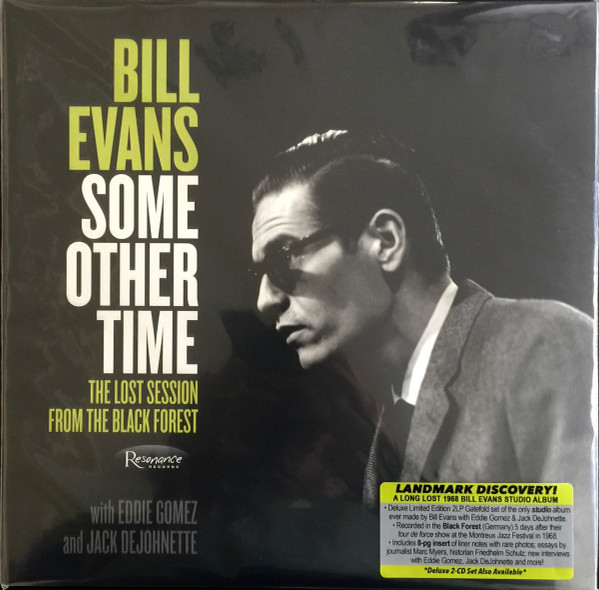
Some Other Time (The Lost Session From The Black Forest)
Bill Evans
2016
Resonance Records
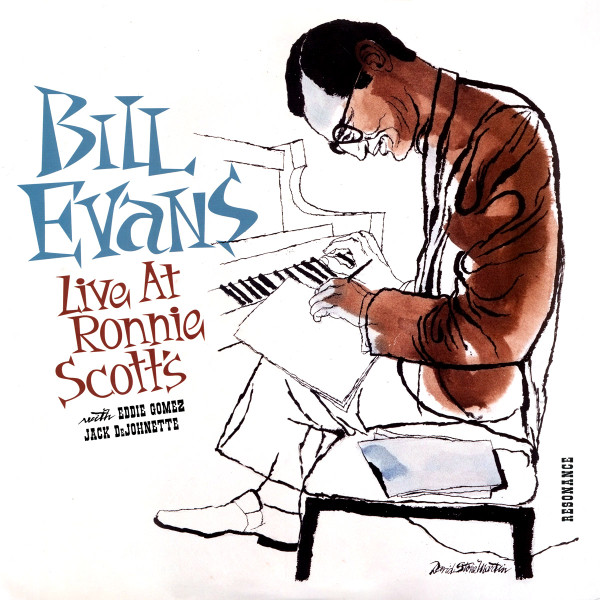
Live At Ronnie Scott's
Bill Evans
2020
Resonance Records
Cool Jazz
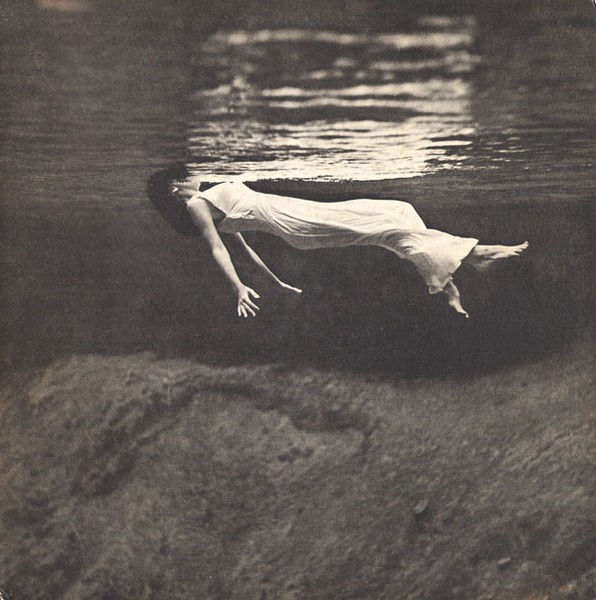
Undercurrent
Bill Evans
1962
United Artists Jazz
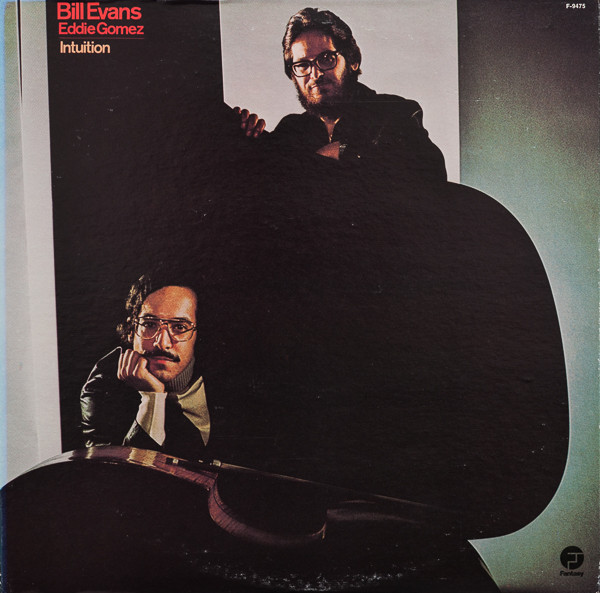
Intuition
Bill Evans
1975
Fantasy
Similar Artists
Artists with similar styles and catalogs.
Bill Evans Discography
Bill Evans studio albums as leader and sideman.
Total: 148 releases
| Artist | Album | Label | Leader/Sideman | Style | Year |
|---|---|---|---|---|---|
| Bill Evans | Consecration Immortal | Solid Records | Leader | Post Bop | 1955 |
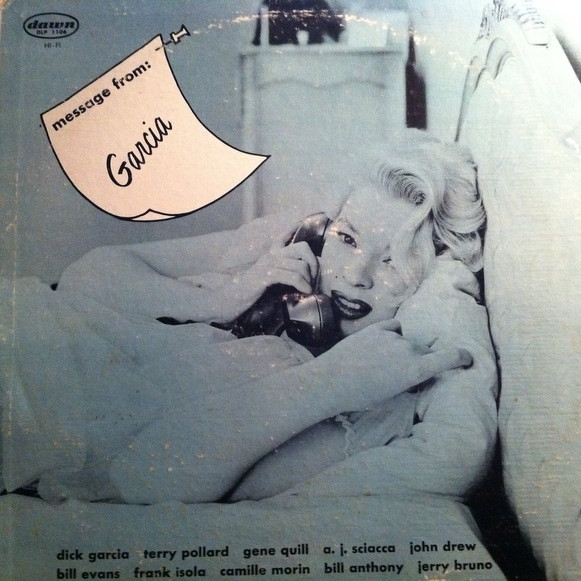
| Dick Garcia | A Message From Garcia | Dawn | Sideman | Cool Jazz | 1956 |
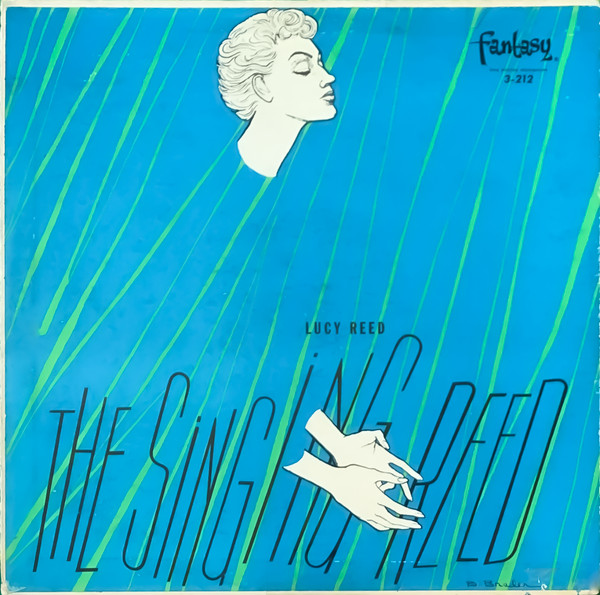
| Lucy Reed | The Singing Reed | Fantasy | Sideman | Vocal | 1956 |
| Tony Scott And His Orchestra, Tony Scott Tentet, The Tony Scott Quartet | The Touch Of Tony Scott | RCA Victor | Sideman | 1956 | |
| Jimmy Knepper | A Swinging Introduction To Jimmy Knepper | Bethlehem Records | Sideman | Hard Bop | 1957 |
| Charles Mingus | East Coasting | Bethlehem Records | Sideman | Cool Jazz | 1957 |
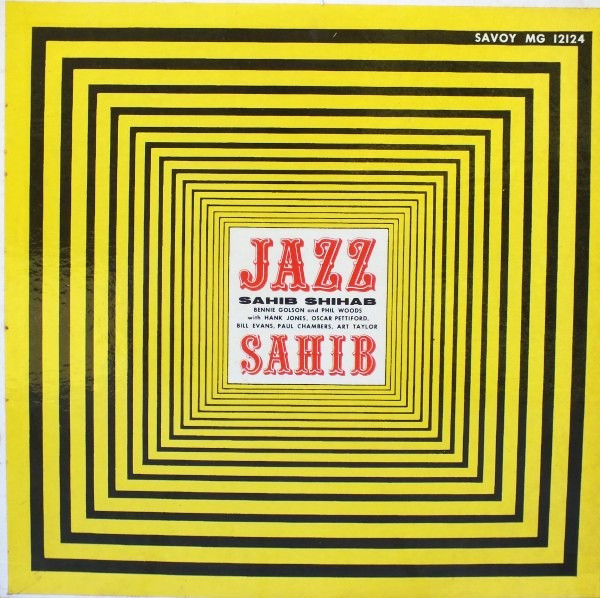
| Sahib Shihab | Jazz Sahib | Savoy Records | Sideman | Bop | 1957 |
| Bill Evans | New Jazz Conceptions | Riverside Records | Leader | Cool Jazz | 1957 |
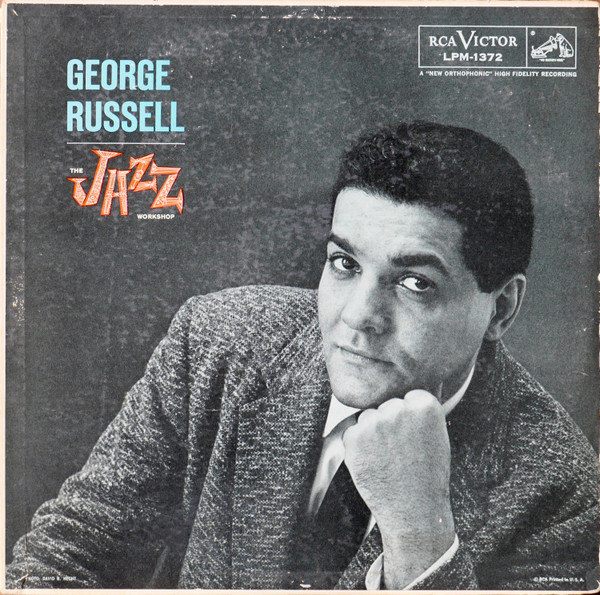
| George Russell | The Jazz Workshop | RCA Victor | Sideman | Post Bop | 1957 |
| The Eddie Costa Quartet | Guys And Dolls Like Vibes | Coral | Sideman | 1958 | |
| Joe Puma | Jazz | Jubilee | Sideman | 1958 | |
| Cannonball Adderley | Jump For Joy | Mercury | Sideman | Bop | 1958 |
| Michel Legrand, Miles Davis | Legrand Jazz | Columbia | Sideman | Bop | 1958 |
| Art Farmer | Modern Art | United Artists Records | Sideman | Bop | 1958 |
| The Cannonball Adderley Quintet | Portrait Of Cannonball | Riverside Records | Sideman | Hard Bop | 1958 |
| The Prestige All Stars | Roots | Prestige | Sideman | Bop | 1958 |
| Don Elliott | The Mello Sound | Decca | Sideman | 1958 | |
| Helen Merrill | The Nearness Of You | Emarcy | Sideman | Cool Jazz | 1958 |
| Chet Baker | Chet | Riverside Records | Sideman | Hard Bop | 1959 |
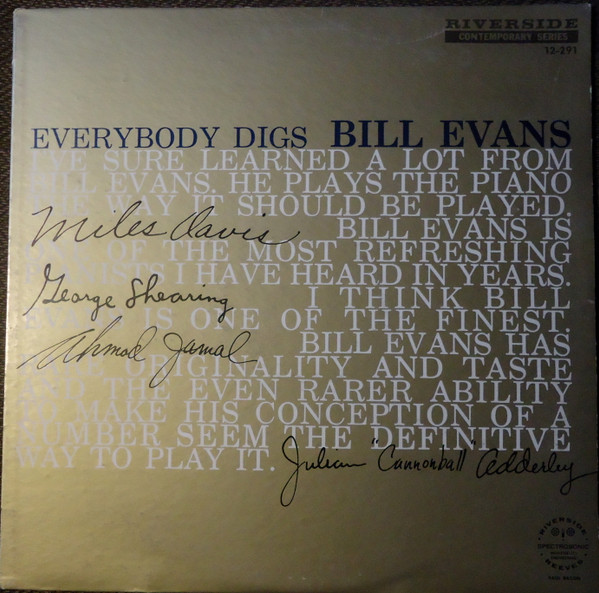
| The Bill Evans Trio | Everybody Digs Bill Evans | Riverside Records | Sideman | Post Bop | 1959 |
Bill Evans Collaborations
Players they worked with most often, as leader and as sideman.
As Leader
| Musician | Role | Releases |
|---|---|---|
| Eddie Gomez | Bass | 71 |
| Marty Morell | Drums | 48 |
| Marc Johnson | Bass | 27 |
| Joe LaBarbera | Drums | 22 |
| "Philly" Joe Jones | Drums | 20 |
| Eliot Zigmund | Drums | 20 |
| Chuck Israels | Bass | 15 |
| Larry Bunker | Drums | 15 |
| Paul Motian | Drums | 9 |
| Jim Hall | Guitar | 8 |
As Sideman
| Musician | Role | Releases |
|---|---|---|
| Eddie Gomez | Bass | 29 |
| Paul Motian | Drums | 26 |
| Marc Johnson | Bass | 25 |
| Joe LaBarbera | Drums | 24 |
| Paul Chambers | Bass | 22 |
| Jimmy Cobb | Drums | 20 |
| John Coltrane | Tenor Saxophone | 19 |
| Miles Davis | Trumpet | 19 |
| "Philly" Joe Jones | Drums | 19 |
| Cannonball Adderley | Alto Saxophone | 17 |
Styles & Genres Distribution
Style and genre mix across their releases.
Styles
| Style | Releases | Percentage |
|---|---|---|
| Post Bop | 51 | 34.5% |
| Modal | 35 | 23.6% |
| Cool Jazz | 32 | 21.6% |
| Bop | 18 | 12.2% |
| Hard Bop | 15 | 10.1% |
| Vocal | 8 | 5.4% |
| Contemporary Jazz | 7 | 4.7% |
| Big Band | 3 | 2% |
| Fusion | 3 | 2% |
| Soundtrack | 2 | 1.4% |
Genres
| Genre | Releases | Percentage |
|---|---|---|
| Jazz | 144 | 97.3% |
| Pop | 3 | 2% |
| Folk | 3 | 2% |
| World | 3 | 2% |
| & Country | 3 | 2% |
| Stage & Screen | 2 | 1.4% |
| Latin | 2 | 1.4% |
| Funk / Soul | 1 | 0.7% |
| Classical | 1 | 0.7% |
Top Labels
Labels with the most releases in their catalog.
| Label | Releases |
|---|---|
| Verve Records | 16 |
| Fantasy | 14 |
| Riverside Records | 13 |
| Milestone | 8 |
| Columbia | 4 |
| Warner Bros. Records | 4 |
| Solid Records | 4 |
| Hi Hat | 4 |
| Bethlehem Records | 3 |
| United Artists Records | 3 |
Key Personnel
Frequent producers, engineers, and studio credits.
| Person | Role | Releases |
|---|---|---|
| Various | Leader | 93 |
| Helen Keane | Producer | 34 |
| Creed Taylor | Producer | 17 |
| George Horn | Mastered By | 17 |
| Miles Davis | Leader | 17 |
| Phil Carroll | Art Direction | 14 |
| Mark Gardner | Liner Notes | 13 |
| Orrin Keepnews | Producer | 12 |
| Jordi Pujol | Executive-Producer | 11 |
| Orrin Keepnews | Producer, Liner Notes | 10 |