

Archie Shepp
- Born:
- , Fort Lauderdale, Florida, United States
- Notable collaborations:
- John Coltrane, Cecil Taylor, Don Cherry, Roswell Rudd, Horace Parlan
- Styles:
- Free Jazz, Contemporary Jazz, Post Bop, Avant-garde Jazz, Soul-Jazz, Hard Bop, Spiritual Jazz, Free Improvisation, Fusion, Modal
Best Archie Shepp Albums
Leader albums ranked by reissues and demand.


Yasmina, A Black Woman
Archie Shepp
1969
BYG Records

Blasé
Archie Shepp
1969
BYG Records


Bio
Archie Shepp was born on May 24, 1937, in Fort Lauderdale, Florida. His family moved to Philadelphia when he was seven years old. Shepp began musical training with banjo under his father’s guidance at age twelve. He switched to tenor saxophone at age fifteen, influenced by John Coltrane’s playing. Shepp attended Goddard College from 1955 to 1959, where he studied drama alongside music. This combination of intellectual and artistic training shaped his multimedia approach to performance. After college, he moved to New York City in 1960 and joined pianist Cecil Taylor’s quartet. Shepp played with Taylor’s avant-garde ensemble until 1962. The collaboration proved transformative in his musical development.
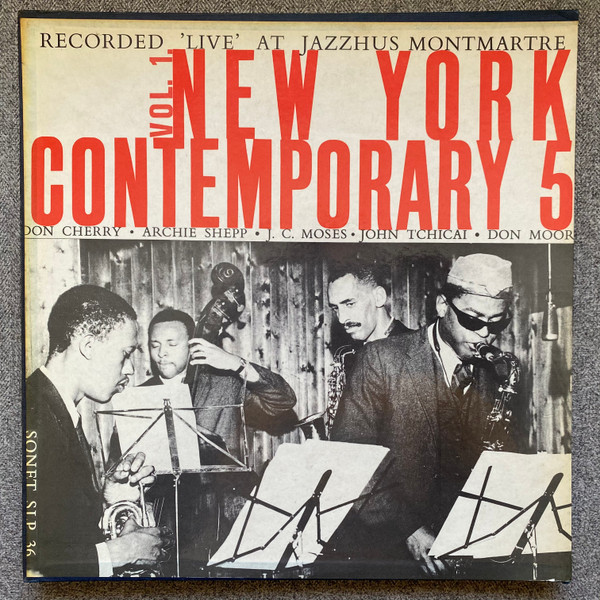
In 1962, Shepp recorded his first album as a leader with trumpeter Bill Dixon for Savoy Records. The album featured a composition by Ornette Coleman, aligning Shepp with emerging free jazz innovators. During 1963, he co-founded the New York Contemporary Five with trumpeter Don Cherry and alto saxophonist John Tchicai. The ensemble toured Europe and demonstrated the viability of collective improvisation beyond mainstream venues. John Coltrane, impressed by Shepp’s work, invited him to record for Impulse! Records in 1964. Four for Trane featured Shepp on tenor saxophone alongside Tchicai, trombonist Roswell Rudd, bassist Reggie Workman, and drummer Charles Moffett. The album established Shepp as a major voice in avant-garde jazz through fresh arrangements of Coltrane compositions. Shepp also appeared on Coltrane’s Ascension in 1965 and New Thing at Newport, a historic split album released that year that demonstrated their parallel positions in free jazz.
Shepp’s signature sound crystallized with Fire Music in 1965. The album blended dissonant harmonies, multiphonics, a gruff tone with wide vibrato, and political consciousness. A blues elegy for Malcolm X appeared on the record. His 1967 album The Magic of Ju-Ju featured African percussion and drew on African musical traditions. Shepp coupled freeform saxophone lines with African rhythms and cultural concepts. His approach bridged the avant-garde and the emerging Black Arts Movement. In 1972, he released the double album Attica Blues, a direct response to the 1971 Attica Prison uprising. The work integrated large ensembles, vocalists, spirituals, and explicit civil-rights messaging. Attica Blues became one of Shepp’s most enduring statements, demonstrating his commitment to linking free jazz with Black militancy and self-determination.
Parallel to his recording career, Shepp pursued teaching and theater. He taught African-American Studies at the State University of New York at Buffalo from 1968 to 1972. Shepp then joined the University of Massachusetts Amherst in 1971 as professor of music, a position he held until retirement in 2002. His foundational courses, “Revolutionary Concepts in African-American Music” and “Black Musician in the Theater,” traced African-American instrumental traditions from African origins to contemporary expression. Beyond academia, Shepp remained active in theater and writing. His plays include The Communist (1965) and Lady Day: A Musical Tragedy (1972), both produced at the Chelsea Theater Center. From the 1970s onward, his recorded output encompassed African music, blues, spirituals, and collaborations with European artists including trumpeter Eric Le Lann and pianist Horace Parlan. In 2004, Shepp founded Archieball Records in Paris with Monette Berthomier, maintaining artistic independence. He was named NEA Jazz Master in 2016. Shepp continued performing and recording into his eighties with works including Left Alone Revisited (2005) and Ocean Bridges (2020), demonstrating creative evolution across six decades.
Timeline
Key Archie Shepp studio albums by decade, with the labels and styles that define each period.
| Decade | Key albums | Labels | Styles |
|---|---|---|---|
| 1960s |
| Impulse!, BYG Records | Free Jazz, Spiritual Jazz, Avant-garde Jazz, Post Bop |
| 1970s |
| Impulse!, ABC Impulse!, Black Saint, SteepleChase | Free Jazz, Avant-garde Jazz, Soul-Jazz, Big Band |
| 1980s |
| Hat Hut Records, SteepleChase, Någarå | Free Jazz, Cool Jazz, Piano Blues, African |
| 1990s |
| Enja Records, Timeless Records, Yal Records, World McC Music, Delmark Records | Contemporary Jazz, Post Bop, Bop, Free Jazz |
| 2000s |
| PAO Records, Budapest Music Center Records, Enja Records, Archie Ball | Post Bop, Contemporary Jazz, Free Jazz, Modal |
| 2010s |
| FreeFactory, Naïve, Archie Ball, ACT | Contemporary Jazz, Free Jazz, Hard Bop |
| 2020s |
| Archie Ball, Triple Point Records | Contemporary Jazz |
Albums by Style
Top albums grouped by style.
Free Jazz

Yasmina, A Black Woman
Archie Shepp
1969
BYG Records
Contemporary Jazz

Attica Blues Big Band (Live At The Palais Des Glaces)
Archie Shepp
1979
Blue Marge


Let My People Go
Archie Shepp
2021
Archie Ball

Day Dream
Archie Shepp
1977
Denon Jazz

Down Home New York
Archie Shepp
1984
Soul Note
Post Bop


The Tradition
Archie Shepp
1978
Horo Records


Similar Artists
Artists with similar styles and catalogs.

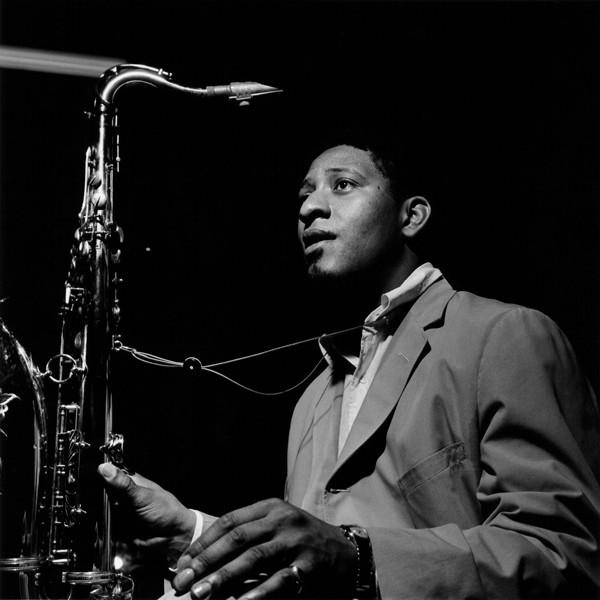
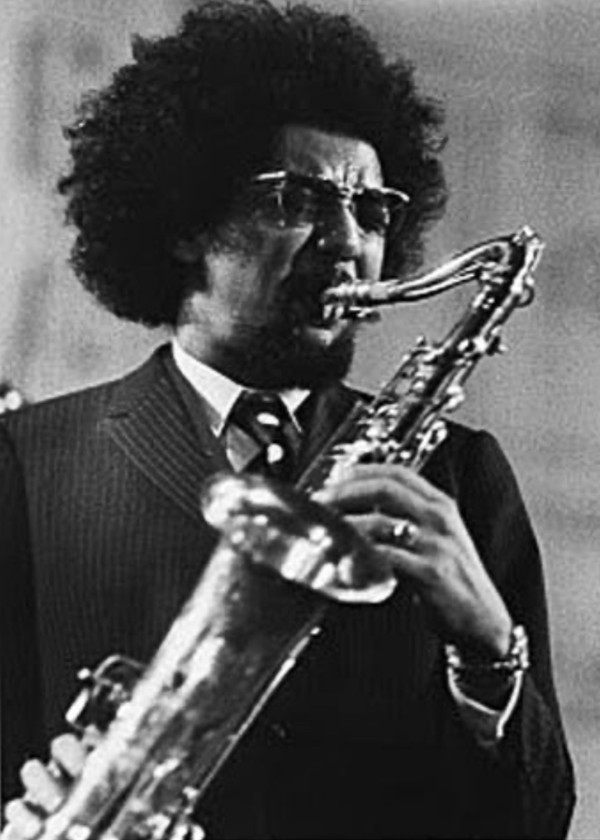
Archie Shepp Discography
Archie Shepp studio albums as leader and sideman.
Total: 144 releases
| Artist | Album | Label | Leader/Sideman | Style | Year |
|---|---|---|---|---|---|
| Cecil Taylor | The World Of Cecil Taylor | Candid | Sideman | Free Jazz | 1961 |
| Gil Evans And His Orchestra | Into The Hot | Impulse! | Sideman | Avant-garde Jazz | 1962 |
| The Archie Shepp-Bill Dixon Quartet | The Archie Shepp-Bill Dixon Quartet | Savoy Records | Sideman | Free Jazz | 1963 |
| The New York Contemporary Five | Vol. 1. | Sonet | Sideman | Free Jazz | 1964 |
| Archie Shepp | Fire Music | Impulse! | Leader | Hard Bop | 1965 |
| Archie Shepp | Four For Trane | Impulse! | Leader | Avant-garde Jazz | 1965 |
| Archie Shepp | On This Night | Impulse! | Leader | Free Jazz | 1965 |
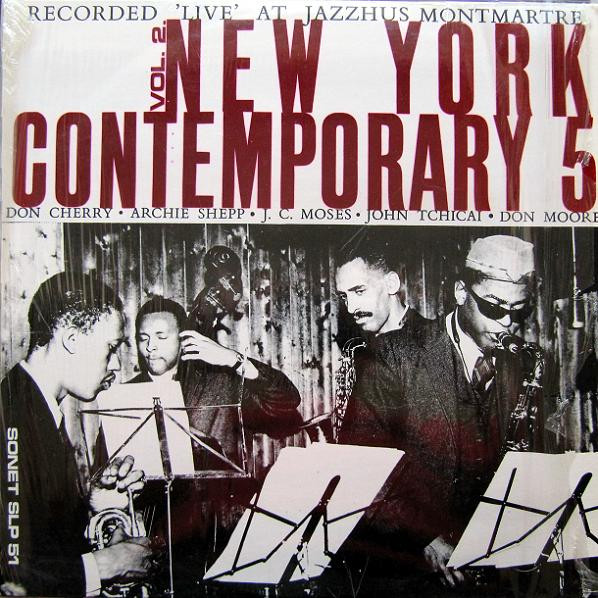
| The New York Contemporary Five | Vol. 2. | Sonet | Sideman | Free Jazz | 1965 |
| John Coltrane | Ascension (Edition I) | Impulse! | Sideman | Free Jazz | 1966 |
| The Jazz Composer's Orchestra | Communication | Fontana | Sideman | Free Jazz | 1966 |
| The New York Contemporary Five | Consequences | Fontana | Sideman | Free Jazz | 1966 |
| John Tchicai, Archie Shepp, J.C. Moses, Don Moore | Rufus | Fontana | Leader | Free Jazz | 1966 |
| Archie Shepp | Life At The Donaueschingen Music Festival | SABA | Leader | Free Jazz | 1967 |
| Archie Shepp | Mama Too Tight | Impulse! | Leader | Free Jazz | 1967 |
| Chico Hamilton, Larry Coryell | The Dealer | Impulse! | Sideman | Soul-Jazz | 1967 |
| Archie Shepp | The Magic Of Ju-Ju | Impulse! | Leader | Post Bop | 1967 |
| Archie Shepp | The Way Ahead | Impulse! | Leader | Free Jazz | 1968 |
| Archie Shepp | Blasé | BYG Records | Leader | Free Jazz | 1969 |
| Dave Burrell | Echo | BYG Records | Sideman | Free Jazz | 1969 |
| Clifford Thornton | Ketchaoua | BYG Records | Sideman | Free Jazz | 1969 |
Archie Shepp Collaborations
Players they worked with most often, as leader and as sideman.
As Leader
| Musician | Role | Releases |
|---|---|---|
| Beaver Harris | Drums | 18 |
| Dave Burrell | Piano | 14 |
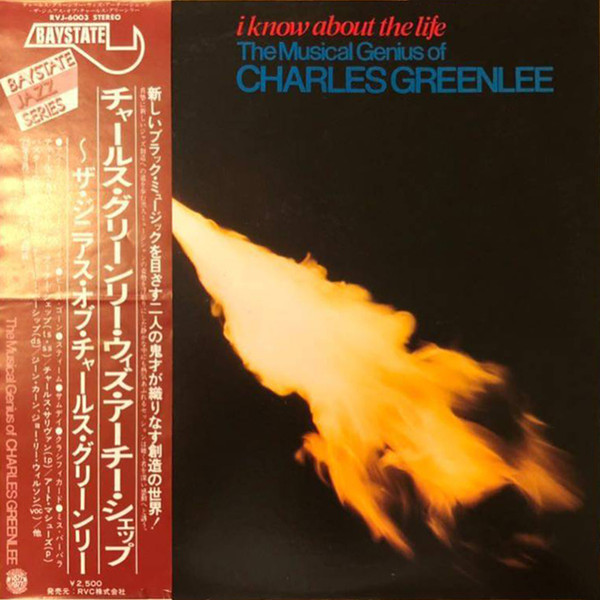
| Charles Greenlee | Trombone | 12 |
| Clifford Jarvis | Drums | 10 |
| Siegfried Kessler | Piano | 10 |
| Roswell Rudd | Trombone | 9 |
| Cameron Brown | Bass | 8 |
| Grachan Moncur III | Trombone | 7 |
| Horace Parlan | Piano | 6 |
| Stephen McCraven | Drums | 6 |
As Sideman
| Musician | Role | Releases |
|---|---|---|
| Clifford Jarvis | Drums | 16 |
| Siegfried Kessler | Piano | 7 |
| Dave Burrell | Piano | 7 |
| Don Moore | Bass | 6 |
| Cecil Taylor | Piano | 6 |
| John Tchicai | Alto Saxophone | 6 |
| Buell Neidlinger | Bass | 5 |
| Denis Charles | Drums | 5 |
| Don Cherry | Trumpet | 5 |
| Roswell Rudd | Trombone | 5 |
Styles & Genres Distribution
Style and genre mix across their releases.
Styles
| Style | Releases | Percentage |
|---|---|---|
| Free Jazz | 60 | 41.7% |
| Contemporary Jazz | 27 | 18.8% |
| Post Bop | 23 | 16% |
| Avant-garde Jazz | 16 | 11.1% |
| Soul-Jazz | 9 | 6.2% |
| Hard Bop | 6 | 4.2% |
| Spiritual Jazz | 6 | 4.2% |
| Free Improvisation | 6 | 4.2% |
| Fusion | 4 | 2.8% |
| Modal | 4 | 2.8% |
Genres
| Genre | Releases | Percentage |
|---|---|---|
| Jazz | 140 | 97.2% |
| Hip Hop | 4 | 2.8% |
| Pop | 3 | 2.1% |
| Funk / Soul | 2 | 1.4% |
| Rock | 2 | 1.4% |
| Stage & Screen | 2 | 1.4% |
| Blues | 1 | 0.7% |
| Folk | 1 | 0.7% |
| World | 1 | 0.7% |
| & Country | 1 | 0.7% |
Top Labels
Labels with the most releases in their catalog.
| Label | Releases |
|---|---|
| Impulse! | 14 |
| BYG Records | 9 |
| Denon | 6 |
| Archie Ball | 6 |
| Venus Records | 5 |
| Candid | 4 |
| America Records | 4 |
| Horo Records | 4 |
| Enja Records | 4 |
| SteepleChase | 4 |
Key Personnel
Frequent producers, engineers, and studio credits.
| Person | Role | Releases |
|---|---|---|
| Various | Leader | 28 |
| Bob Thiele | Producer | 15 |
| Yoshio Ozawa | Producer | 10 |
| Jean Georgakarakos | Producer | 9 |
| Jean-Luc Young | Producer | 9 |
| Rudy Van Gelder | Engineer | 8 |
| Robert Flynn | Design [Cover] | 8 |
| Joe Lebow | Design [Liner] | 8 |
| Claude Jauvert | Engineer | 8 |
| Claude Delcloo | Executive-Producer | 8 |