
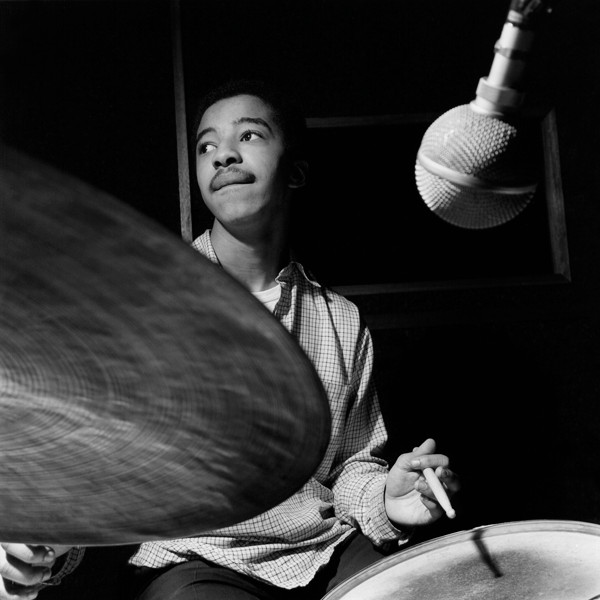
Anthony Williams
- Born:
- , Chicago, Illinois, U.S.
- Died:
- , Daly City, California, U.S.
- Instrument:
- Drums
- Notable collaborations:
- Miles Davis, Herbie Hancock, Wayne Shorter, John McLaughlin, Ron Carter
- Styles:
- Post Bop, Fusion, Hard Bop, Contemporary Jazz, Jazz-Rock, Modal, Jazz-Funk, Free Jazz, Bop, Avant-garde Jazz
Best Anthony Williams Albums
Leader albums ranked by reissues and demand.
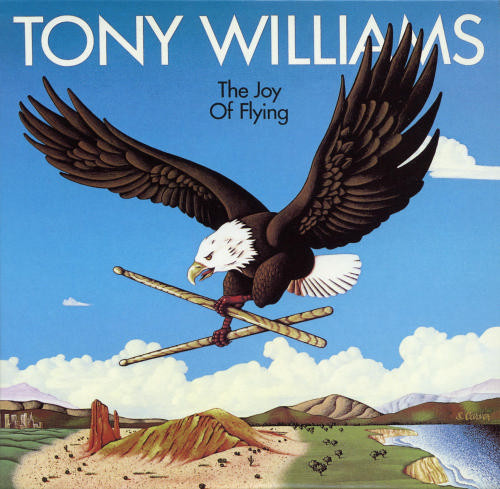
The Joy Of Flying
Anthony Williams
1979
Columbia
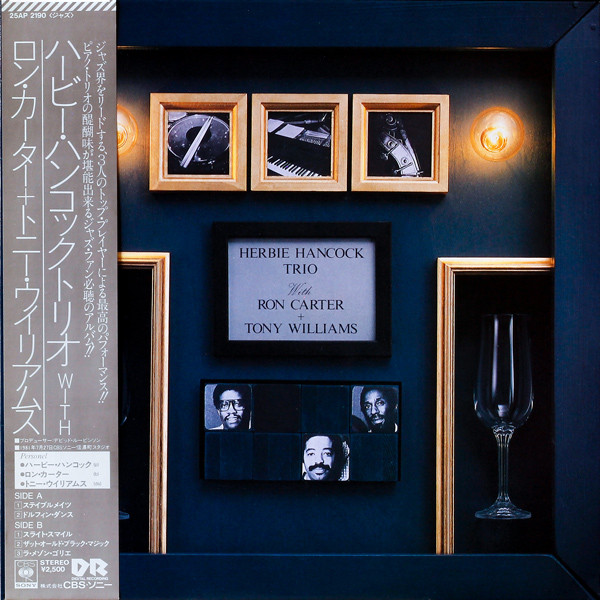
Herbie Hancock Trio With Ron Carter + Tony Williams
Herbie Hancock Trio With Ron Carter + Anthony Williams
1981
CBS/Sony
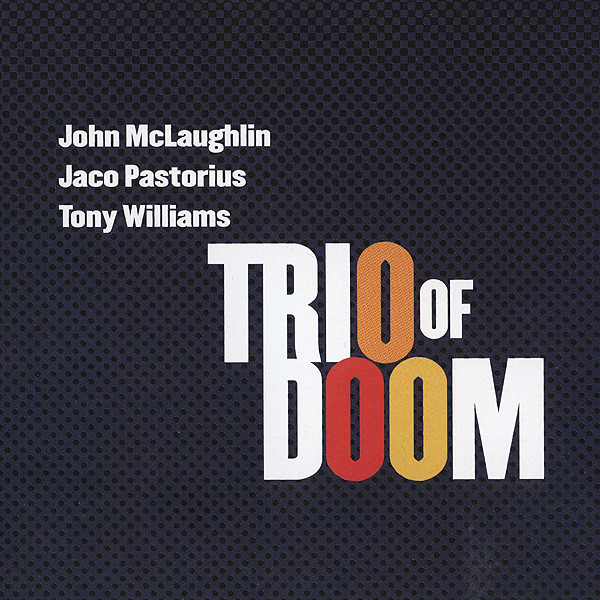
Trio Of Doom
Trio Of Doom, John McLaughlin • Jaco Pastorius • Anthony Williams
2007
Columbia
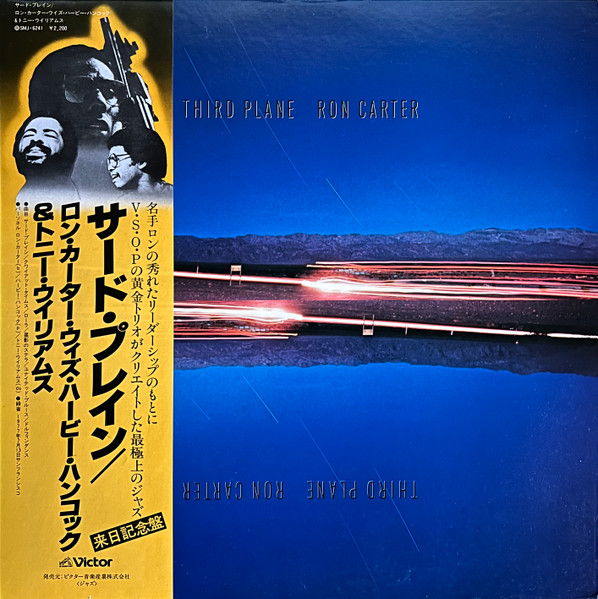
Third Plane = サード・プレイン
Ron Carter = Ron Carter ウィズ Herbie Hancock & Anthony Williams
1978
Victor
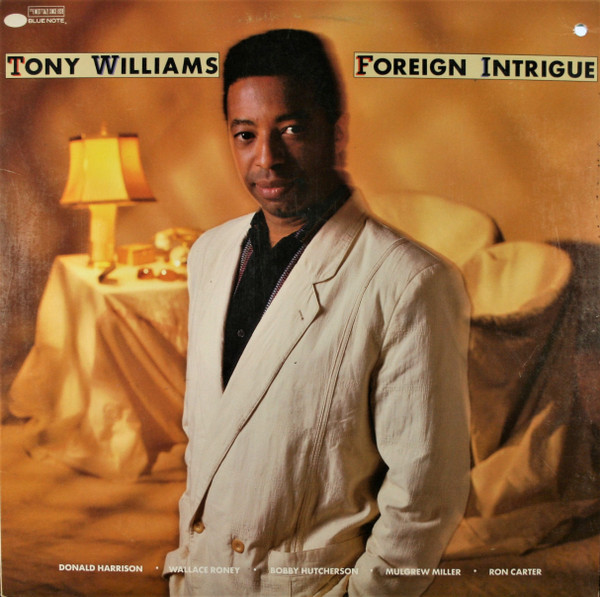

Play Or Die
Anthony Williams
1980
P.S. Productions
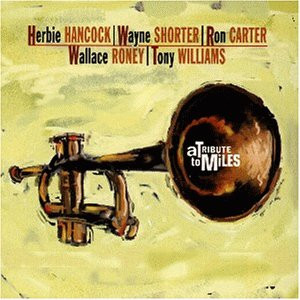
A Tribute To Miles
Herbie Hancock | Wayne Shorter | Ron Carter | Wallace Roney | Anthony Williams
1994
Qwest Records
Bio
Anthony Tillmon Williams was born on December 12, 1945, in Chicago, Illinois. He moved to Boston at age two and began drumming studies at age eleven under Alan Dawson, a Berklee College of Music instructor. Dawson taught disciplined technique and exposed Williams to recordings of Max Roach and Art Blakey. At thirteen, Williams turned professional with saxophonist Sam Rivers’s ensemble. By sixteen, alto saxophonist Jackie McLean hired him for recordings including Vertigo and One Step Beyond on Blue Note. This apprenticeship proved crucial to absorbing bebop fundamentals while developing experimental instincts.
In 1962, Miles Davis recruited Williams for his reconceived quintet at age seventeen. The ensemble also featured Wayne Shorter on tenor saxophone, Herbie Hancock on piano, and Ron Carter on bass. Williams became the rhythmic center of Davis’s Second Great Quintet from 1964 to 1968. His approach deployed polyrhythms and metric modulation, shifting fluidly between mathematically related tempos. This technique transformed the drummer’s role from timekeeper to equal harmonic voice. Davis stated, “Tony was always the center that the group’s sound revolved around.” The quintet recorded E.S.P. in 1965, Miles Smiles in 1966, and Nefertiti in 1967, establishing post-bop as the dominant aesthetic of the era.
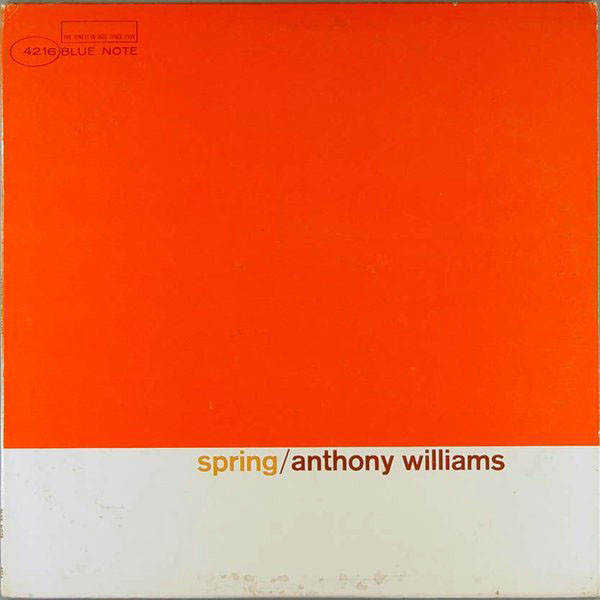
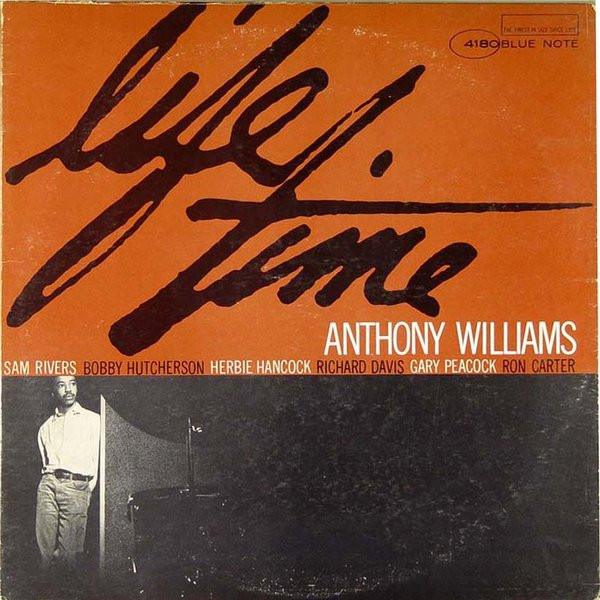
While touring with Davis, Williams pursued his own compositional ambitions. He released Life Time in January 1965 on Blue Note, a strikingly austere avant-garde statement featuring sparse, freely improvised compositions. His second album Spring followed in 1966 on Blue Note. Williams departed Davis’s group in late 1968 and immediately formed The Tony Williams Lifetime with organist Larry Young and guitarist John McLaughlin. The 1969 album Emergency! featured heavy electric grooves and rock-influenced textures that anticipated the fusion explosion of the 1970s. Jazz purists initially dismissed it, but the record became a watershed moment for fusion and demonstrated Williams’s instrumental role in expanding jazz’s sonic palette.
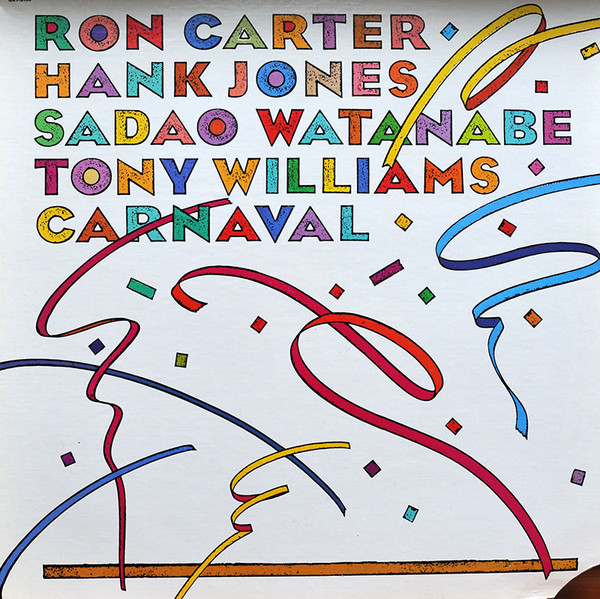
Throughout the 1970s and 1980s, Williams balanced bandleading with sideman work. He joined the fusion group V.S.O.P. Quintet from 1976 to 1977 alongside Hancock and Shorter. Williams also co-led The Great Jazz Trio with Ron Carter and pianist Hank Jones. His compositional voice deepened on The Joy of Flying in 1979 on Columbia and Play or Die in 1980. He recorded Third Plane with Carter and Hancock in 1978 on Victor. In 1986, Williams contributed drums to Herbie Hancock’s Round Midnight film soundtrack, which won an Academy Award. In 1977, he relocated to Marin County, California, and eventually reestablished himself as a freelance musician and educator.
Tony Williams died on February 23, 1997, in Daly City, California, at age fifty-one. He was posthumously inducted into the Percussive Arts Society Hall of Fame in 1997 and the Modern Drummer Hall of Fame in 1986. His legacy transcended technique: he transformed jazz drumming from accompaniment into compositional partnership and pioneered fusion’s rhythmic architecture. Williams mentored generations through his uncompromising artistry. Critic Robert Christgau declared him in 1970 “probably the best drummer in the world.”
Timeline
Key Anthony Williams studio albums by decade, with the labels and styles that define each period.
| Decade | Key albums | Labels | Styles |
|---|---|---|---|
| 1960s |
| Blue Note | Free Jazz, Post Bop, Hard Bop |
| 1970s |
| Victor, Columbia | Post Bop, Fusion |
| 1980s |
| P.S. Productions, CBS/Sony, Galaxy, Baybridge Records, Blue Note | Post Bop, Jazz-Rock, Bop, Contemporary Jazz |
| 1990s |
| Blue Note, Sony Masterworks, Qwest Records, Ark 21 Records | Contemporary Jazz, Jazz-Rock, Hard Bop, Post Bop |
Albums by Style
Top albums grouped by style.
Post Bop
Civilization
Anthony Williams
1987
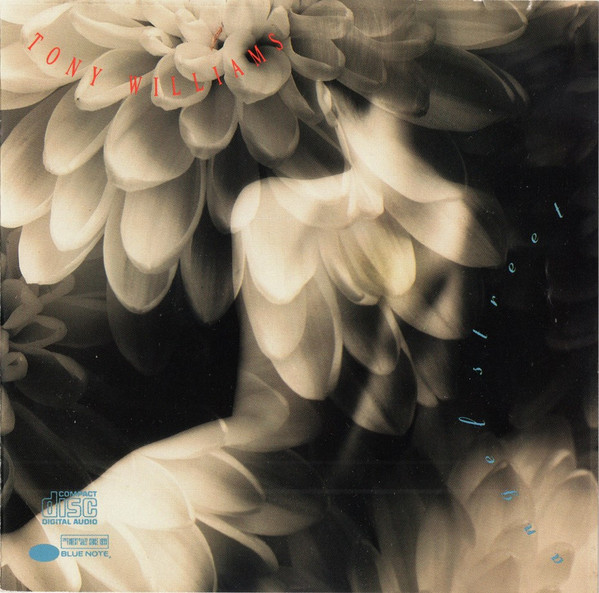
Angel Street
Anthony Williams
1988
Contemporary Jazz
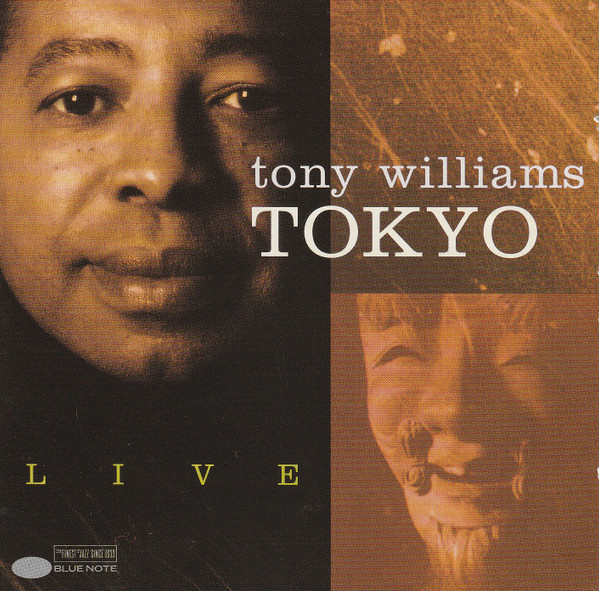
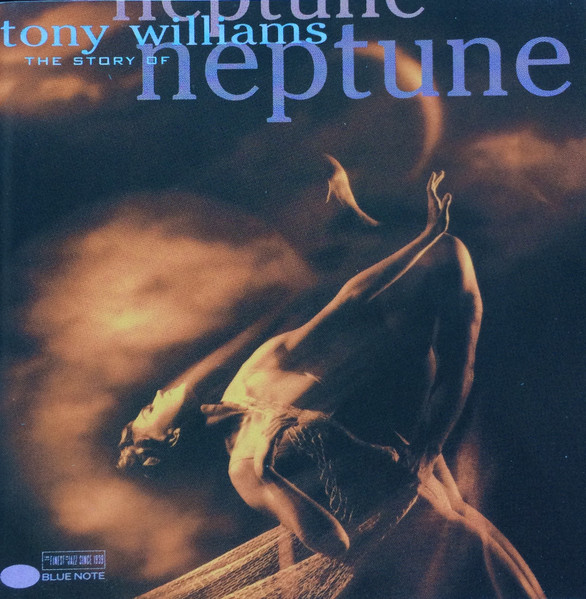
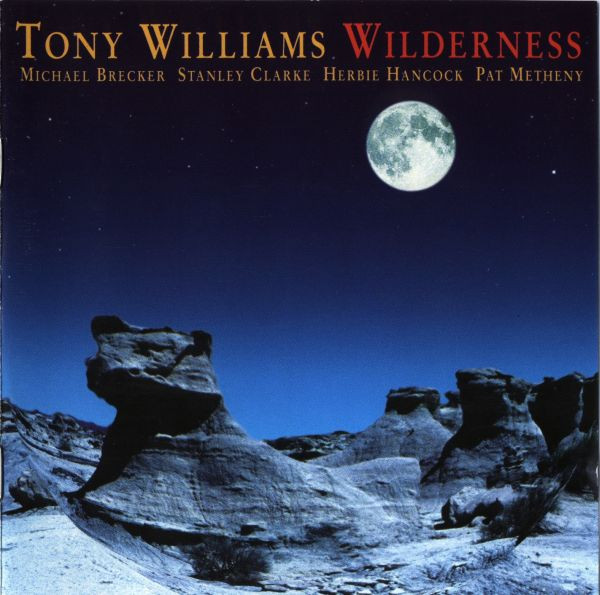
Wilderness
Anthony Williams
1996
Ark 21 Records
Jazz-Rock
Play Or Die
Anthony Williams
1980
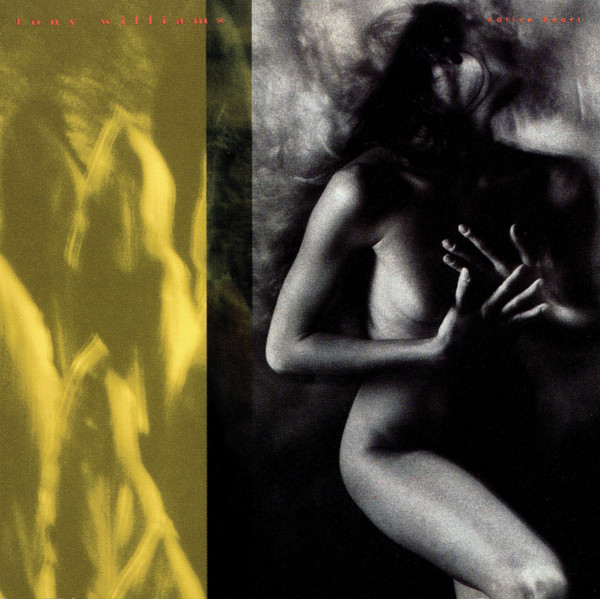
Native Heart
Anthony Williams
1990
Similar Artists
Artists with similar styles and catalogs.
Anthony Williams Discography
Anthony Williams studio albums as leader and sideman.
Total: 145 releases
| Artist | Album | Label | Leader/Sideman | Style | Year |
|---|---|---|---|---|---|
| Herbie Hancock | My Point Of View | Blue Note | Sideman | Hard Bop | 1963 |
| Miles Davis | Seven Steps To Heaven | Columbia | Sideman | Hard Bop | 1963 |
| Kenny Dorham | Una Mas (One More Time) | Blue Note | Sideman | Modal | 1963 |
| Herbie Hancock | Empyrean Isles | Blue Note | Sideman | Modal | 1964 |
| Grachan Moncur III | Evolution | Blue Note | Sideman | Free Jazz | 1964 |
| Anthony Williams | Life Time | Blue Note | Leader | Free Jazz | 1964 |
| Miles Davis | Miles Davis In Europe | Columbia | Sideman | Hard Bop | 1964 |
| Jackie McLean | One Step Beyond | Blue Note | Sideman | Hard Bop | 1964 |
| Eric Dolphy | Out To Lunch! | Blue Note | Sideman | Avant-garde Jazz | 1964 |
| Miles Davis | E.S.P. | Columbia | Sideman | Hard Bop | 1965 |
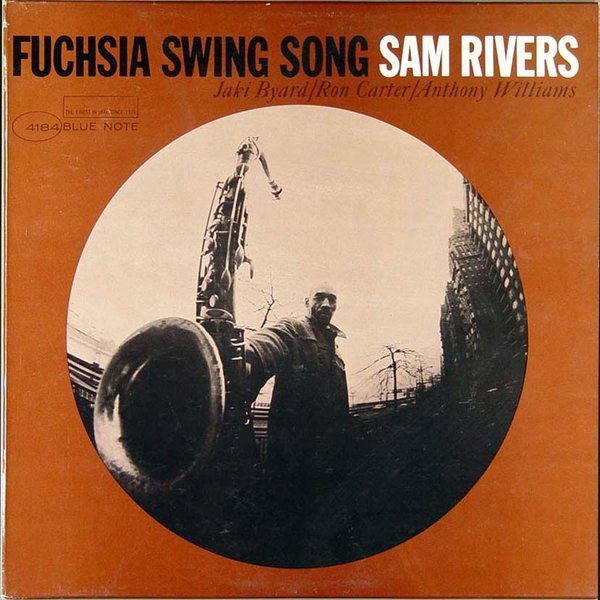
| Sam Rivers | Fuchsia Swing Song | Blue Note | Sideman | Post Bop | 1965 |
| Herbie Hancock | Maiden Voyage | Blue Note | Sideman | Hard Bop | 1965 |
| The Charles Lloyd Quartet | Of Course, Of Course | Columbia | Sideman | Avant-garde Jazz | 1965 |
| Andrew Hill | Point Of Departure | Blue Note | Sideman | Post Bop | 1965 |
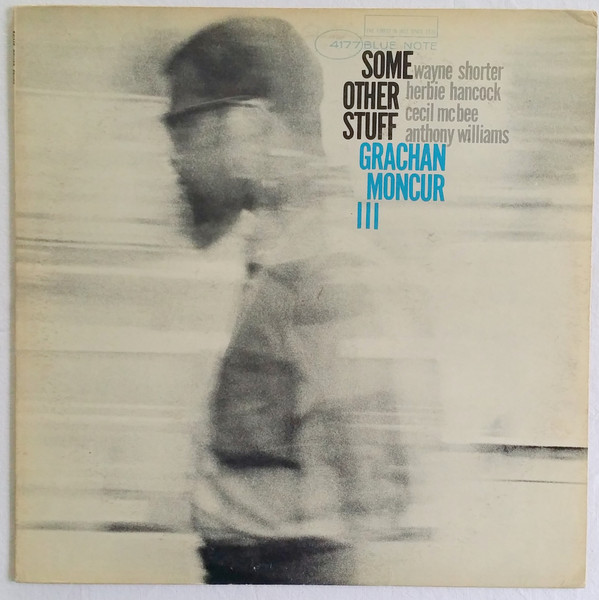
| Grachan Moncur III | Some Other Stuff | Blue Note | Sideman | Post Bop | 1965 |
| Anthony Williams | Spring | Blue Note | Leader | Free Jazz | 1966 |
| Miles Davis | Miles In Berlin | CBS | Sideman | Hard Bop | 1967 |
| The Miles Davis Quintet | Miles Smiles | Columbia | Sideman | Hard Bop | 1967 |
| Miles Davis | Sorcerer | Columbia | Sideman | Modal | 1967 |
| Miles Davis | Miles In The Sky | Columbia | Sideman | Post Bop | 1968 |
Anthony Williams Collaborations
Players they worked with most often, as leader and as sideman.
As Leader
| Musician | Role | Releases |
|---|---|---|
| Wallace Roney | Trumpet | 12 |
| Mulgrew Miller | Piano | 10 |
| Ron Carter | Bass | 9 |
| Billy Pierce | Tenor Saxophone | 9 |
| Billy Pierce | Soprano Saxophone | 8 |
| Herbie Hancock | Piano | 7 |
| Ira Coleman | Bass | 5 |
| Lee Ethier | Coordinator [Production] | 4 |
| Stanley Clarke | Bass | 4 |
| Wayne Shorter | Tenor Saxophone | 3 |
As Sideman
| Musician | Role | Releases |
|---|---|---|
| Ron Carter | Bass | 102 |
| Herbie Hancock | Piano | 95 |
| Miles Davis | Trumpet | 63 |
| Wayne Shorter | Tenor Saxophone | 50 |
| George Coleman | Tenor Saxophone | 15 |
| Freddie Hubbard | Trumpet | 15 |
| Wayne Shorter | Soprano Saxophone | 12 |
| Hank Jones | Piano | 11 |
| Sam Rivers | Tenor Saxophone | 9 |
| Dave Holland | Bass | 8 |
Styles & Genres Distribution
Style and genre mix across their releases.
Styles
| Style | Releases | Percentage |
|---|---|---|
| Post Bop | 43 | 29.7% |
| Fusion | 35 | 24.1% |
| Hard Bop | 27 | 18.6% |
| Contemporary Jazz | 22 | 15.2% |
| Jazz-Rock | 18 | 12.4% |
| Modal | 15 | 10.3% |
| Jazz-Funk | 12 | 8.3% |
| Free Jazz | 9 | 6.2% |
| Bop | 8 | 5.5% |
| Avant-garde Jazz | 4 | 2.8% |
Genres
| Genre | Releases | Percentage |
|---|---|---|
| Jazz | 140 | 96.6% |
| Rock | 19 | 13.1% |
| Funk / Soul | 9 | 6.2% |
| Electronic | 5 | 3.4% |
| Folk | 3 | 2.1% |
| World | 3 | 2.1% |
| & Country | 3 | 2.1% |
| Latin | 2 | 1.4% |
| Hip Hop | 2 | 1.4% |
| Pop | 1 | 0.7% |
Top Labels
Labels with the most releases in their catalog.
Key Personnel
Frequent producers, engineers, and studio credits.
| Person | Role | Releases |
|---|---|---|
| Various | Leader | 38 |
| Miles Davis | Leader | 24 |
| Alfred Lion | Producer | 12 |
| Teo Macero | Producer | 12 |
| Kiyoshi Itoh | Producer | 11 |
| Phil Carroll | Art Direction | 10 |
| Herbie Hancock | Leader | 10 |
| The Great Jazz Trio | Leader | 10 |
| George Horn | Mastered By | 7 |
| Michael Cuscuna | Producer | 7 |